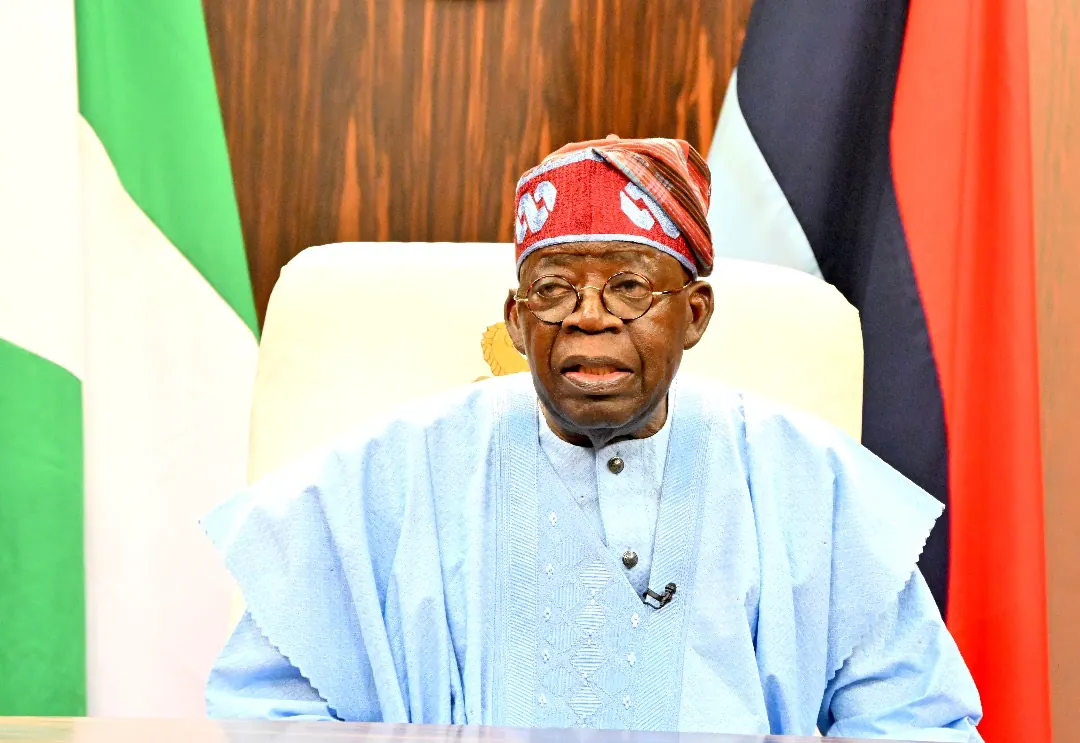
On October 1, 2026, President Bola Ahmed Tinubu addressed the nation, firmly rejecting calls to reinstate fuel and foreign exchange subsidies. He emphasized that reverting to these "addictive subsidies" would undo three years of economic stabilization efforts. Tinubu drew a medical analogy, likening Nigeria's pre-2023 financial condition to a terminal cancer patient relying on painkillers rather than curative treatment. He stated that Nigeria's leaders had chosen "morphine" over effective treatment, hindering the country's recovery.
President Tinubu highlighted the difficulties of Nigeria's economic history, where leaders opted for short-term relief measures instead of addressing fundamental issues. He noted that the current administration has taken a different approach, focusing on corrective measures to confront deep-seated distortions accumulated over decades. The removal of petrol subsidies and unification of the exchange rate were cited as examples of these reforms. Tinubu emphasized that these changes were necessary to reset Nigeria's financial baseline.
The President addressed widespread public discontent over the elevated cost of living, urging citizens to distinguish between long-standing structural decay and the painful remedies applied to fix it. He emphasized that the reforms, though difficult, were essential to confronting the economy's weaknesses. Tinubu reiterated that fiscal discipline must be maintained, warning Nigerians against listening to political voices advocating for a reversal of the current economic strategy.
President Tinubu described proposals to reintroduce subsidies as a "siren song" of regressive populism, which would erode current macroeconomic gains. He cited achievements such as a GDP growth rate exceeding 4 percent, stabilizing exchange markets, and record non-oil export revenues exceeding $6 billion in 2025. The President emphasized that the initial phase of the administration's economic strategy has achieved its core objective: resetting Nigeria's financial baseline.
The President reassured citizens that the sacrifices endured over the past three years have repaired the nation's financial foundations, paving the way for targeted relief in transport, agriculture, and youth employment. He emphasized that the age of reform has done its work and that the nation is now poised for prosperity. Tinubu urged Nigerians to resist calls to abandon the treatment and return to addictive subsidies.
President Tinubu's address was part of Nigeria's 66th Independence Anniversary celebrations. The occasion also saw other notable events, including a message from Okpebholo, who assured Edo people of safety and better living conditions. Additionally, stakeholders in Edo called for stiffer action against counterfeit and adulterated products.
In conclusion, President Tinubu's address emphasized the need for Nigeria to remain steadfast in its economic reforms, warning against a return to regressive subsidy policies. He expressed confidence that the nation has laid the groundwork for sustainable growth and shared prosperity. The President's message was clear: Nigeria must continue on its current path, focusing on long-term solutions rather than short-term fixes.
Key points
- President Tinubu rejects calls to restore universal fuel and foreign exchange subsidies, citing the need to maintain economic reforms.
- The President emphasizes that reintroducing subsidies would erode current macroeconomic gains, including a GDP growth rate exceeding 4 percent.
- Tinubu expresses confidence that Nigeria has laid the groundwork for sustainable growth and shared prosperity, urging citizens to resist calls to abandon economic reforms.