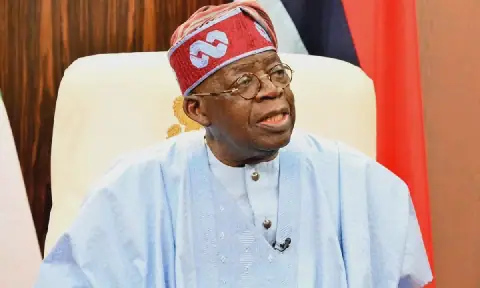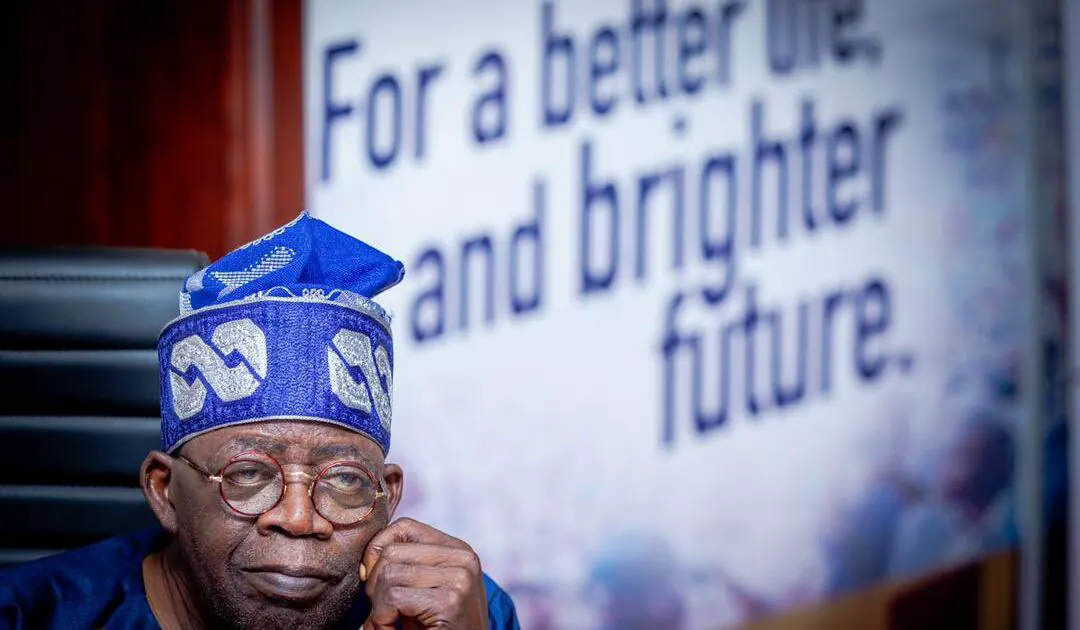
On October 1, 2026, President Bola Tinubu addressed the nation on its 66th Independence Day, acknowledging that many Nigerians are struggling to afford basic necessities such as food, school fees, medical bills, and transportation. He admitted that the hardship predates his administration but emphasized the government's responsibility to change the circumstances of vulnerable Nigerians. Tinubu's address came after his return to Nigeria from a working vacation in France.
According to Tinubu, the hardship faced by many households is a result of decades of low productivity, inadequate infrastructure, insufficient opportunities, and institutions that have failed to serve those who need them most. He stated that the government's goal is not merely to manage poverty but to defeat it. Tinubu emphasized that his administration is working to strengthen direct support for the poorest households and improve the National Social Register to ensure assistance reaches those who genuinely need it.
Tinubu highlighted several initiatives aimed at supporting vulnerable Nigerians, including the Nigerian Education Loan Fund, which helps children from low-income families pursue higher education. He also cited the Consumer Credit Corporation, CREDICORP, which enables working Nigerians to acquire essential assets without having to save for years. Additionally, the government has paid salaries and pensions on time and in full since 2023 and reformed the national pension program to benefit retirees and vulnerable Nigerians.
The President stressed that the government's interventions are not intended to be a permanent substitute for economic prosperity but rather a bridge to aid citizens on their path towards it. He emphasized that achieving economic prosperity will take time, discipline, sustained economic growth, and the creation of millions of productive opportunities across the country. Tinubu stated that the government's next priority is to ensure that economic reforms translate into tangible improvements in the lives of ordinary Nigerians.
Tinubu redefined prosperity, emphasizing that it would not be measured merely by the size of the economy or macroeconomic statistics but by whether Nigerians can afford basic necessities and find productive opportunities. He envisioned a Nigeria where farmers can cultivate their land safely, produce more at a lower cost, and earn a decent return for their labor. The President also highlighted the importance of lowering the cost of living, particularly by reducing the cost of producing and transporting goods.
To address poverty and reduce the cost of living, Tinubu's administration is pursuing several measures, including increasing agricultural production, mechanized irrigation, better access to seeds and fertilizer, and improved storage and transportation infrastructure. The government is also building and completing roads, railways, and ports to connect farms and factories to markets. Tinubu linked poverty reduction to job creation, particularly among Nigeria's rapidly growing youth population.
The President emphasized that his administration is committed to creating jobs, enterprise, and industrial growth, using gas to power new industries, supporting businesses seeking to revive factories, expanding digital connectivity, and investing in skills demanded by employers. Tinubu's remarks reflect his administration's efforts to address the economic challenges facing Nigeria and its commitment to defeating poverty and promoting economic prosperity.
Key points
- President Bola Tinubu acknowledges economic hardship in Nigeria and vows to defeat poverty.
- The government is strengthening direct support for the poorest households and improving the National Social Register.
- Tinubu's administration aims to create jobs, enterprise, and industrial growth to promote economic prosperity.