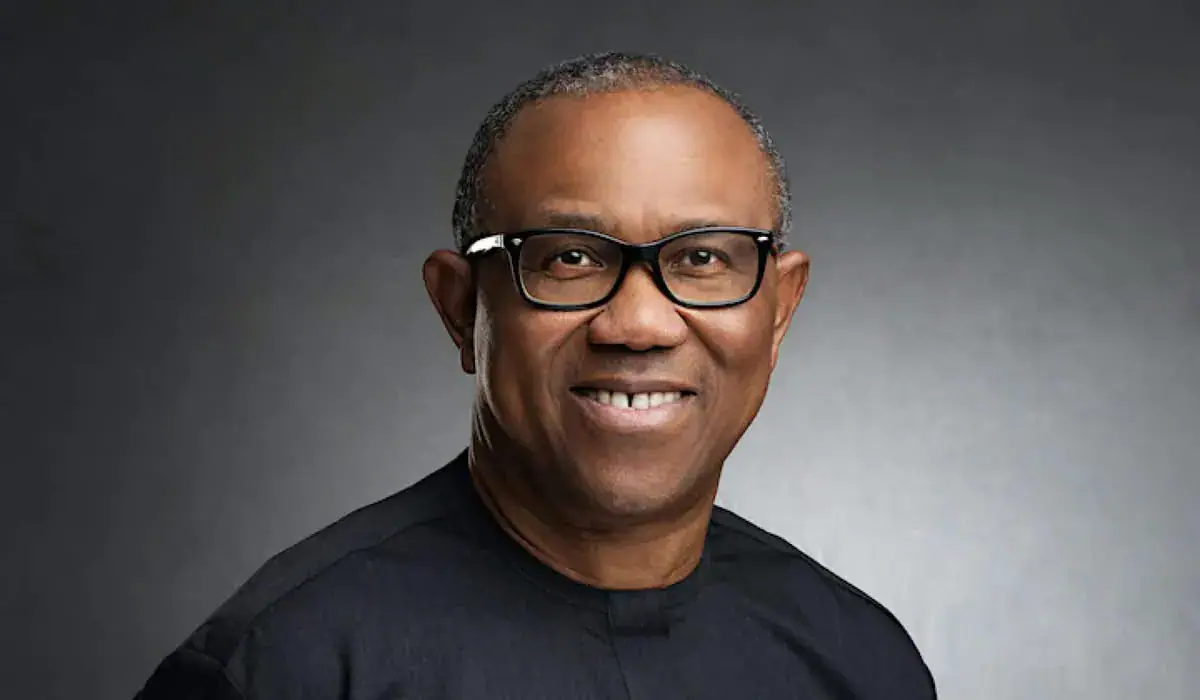
Niger State's vast fertile land can feed Nigeria if properly utilised, according to Peter Obi, the Nigeria Democratic Congress presidential candidate. During a courtesy visit to the Emir of Minna, Umar Faruq Bahago, Mr Obi described the state's 76,300-square-kilometre landmass as an enormous economic asset. He made the statement alongside Rabiu Kwankwaso, his running mate. Niger State's landmass is more than twice the size of the Netherlands, two and a half times the size of Belgium, and three and a half times the size of Israel.
Mr Obi lamented that despite its agricultural potential, the state has failed to derive sufficient economic benefits from its natural resources. He emphasised the need for Nigeria to move away from dependence on consumption and prioritise production, particularly through agriculture. This can be achieved by investing in agriculture to boost food production, create employment, reduce poverty, and strengthen Nigeria's economy. Mr Obi's remarks highlight the importance of agriculture in Nigeria's economic development.
Insecurity is a major obstacle to agricultural development, according to Mr Obi. He argued that farmers must have access to their farmlands to increase food production. The issue of insecurity is crucial in Niger State, where many farmers have been unable to cultivate their land due to fear of attacks. Addressing this challenge is essential to unlocking the state's agricultural potential.
Niger State's agricultural potential is significant, with a vast expanse of fertile land suitable for farming. The state has the capacity to produce a wide range of crops, including maize, sorghum, and cowpeas. Additionally, the state has a large livestock population, with many farmers engaged in cattle rearing. With proper investment and support, the state's agricultural sector can be transformed.
Mr Obi's comments on Niger State's agricultural potential have sparked renewed interest in the state's economy. The state's government has been urged to take concrete steps to harness the state's agricultural resources. This includes providing support to farmers, investing in infrastructure, and addressing the issue of insecurity. By doing so, the state can unlock its economic potential and contribute to Nigeria's economic growth.
The Nigeria Democratic Congress has emphasised the importance of agriculture in Nigeria's economic development. The party has proposed several initiatives aimed at boosting agricultural production and improving food security. These initiatives include investing in irrigation systems, providing support to small-scale farmers, and promoting agricultural research and development. By prioritising agriculture, Nigeria can reduce its dependence on imports and increase its food production.
Peter Obi's visit to Niger State highlights the importance of the state in Nigeria's economic development. The state's vast fertile land and agricultural potential make it a critical player in Nigeria's food security efforts. With proper investment and support, the state can unlock its economic potential and contribute to Nigeria's economic growth. The state government and other stakeholders must work together to address the challenges facing the state's agricultural sector.
Key points
- Niger State has 76,300km of fertile land that can feed Nigeria if utilised properly.
Reporting sources
- Niger has enough fertile land to feed Nigeria, says Obi · Peoples Gazette