Malawi's spending on flagship social protection programmes has reached a five-year low, with 1.4 percent of total government expenditure and 0.5 percent of the gross domestic product (GDP) allocated to these initiatives. This decline occurs as donor commitments to social protection are projected to decrease by 45 percent from K107.2 billion in 2026 to K58.5 billion in 2027. Major development partners, including the World Bank, European Union, and German Government, have cut funding.
The funding reduction is expected to impact flagship programmes significantly. The Social Cash Transfer Programme allocation has fallen by 15 percent to K96 billion, while the Climate-Smart Enhanced Public Works Programme (CM-EPWP) budget will decline by 57 percent to K25 billion. As a result, social cash transfer coverage is projected to decrease from 381,735 to 108,833 households, and CS-EPWP beneficiaries will drop from 532,000 to 47,000 households after 2026.
Despite the challenges, government social cash transfer funding increased by 59 percent to a five-year high of about K7 billion in 2026/27. This expansion has enabled the programme to reach into four new districts: Mwanza, Neno, Ntchisi, and Nkhotakota. However, domestic funds cover only 7.3 percent of the social cash transfer budget, falling short of the 10 percent target.
The Social Protection Financing Strategy outlines key options to diversify financing and close funding gaps beyond 2026. According to the Centre for Social Concern economic governance officer Agness Nyirongo, the deepening cost of living crisis is eroding household welfare faster than social protection programmes can respond. This situation exposes structural weaknesses that go beyond food prices alone.
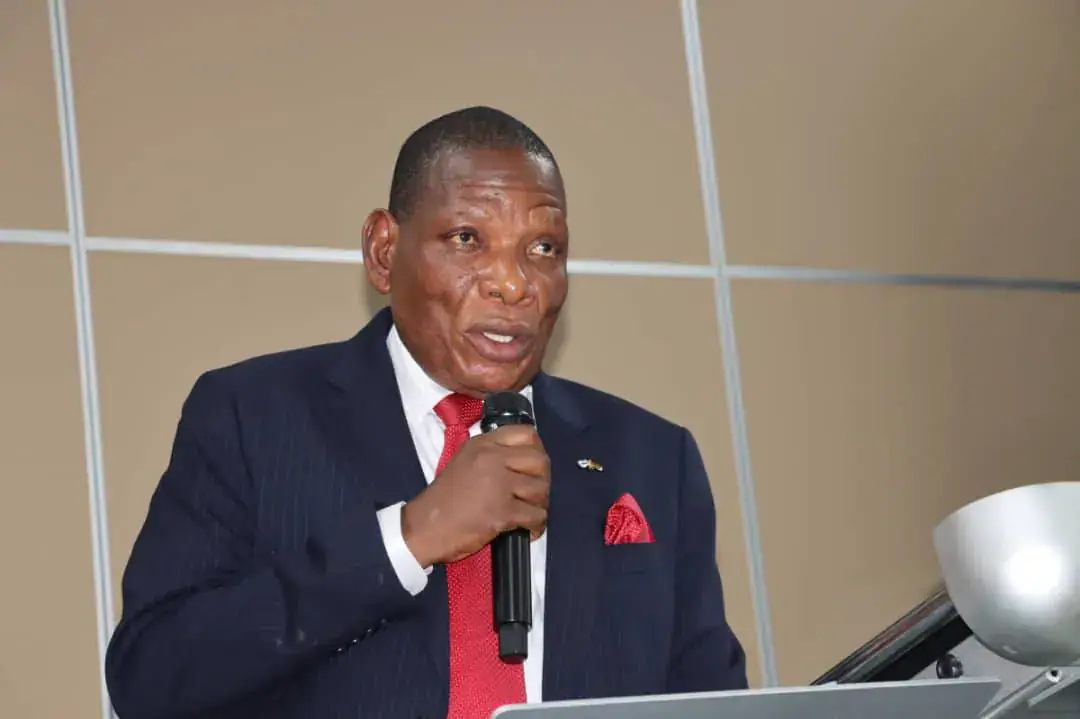
In response to the funding gap, Minister of Finance, Economic Planning and Decentralisation Joseph Mwanamvekha stated that the Treasury has moved in to cover the financing gap, with additional funds expected from donors. Recently, Malawi signed financing agreements worth K414 billion with the World Bank Group and other development partners for various projects.
The Malawi Government's contribution to social protection has averaged just five percent since the 2016/17 financial year. In contrast, the World Bank provides 36 percent of funding, Germany 27 percent, the European Union 23 percent, Irish Aid seven percent, and Unicef one percent for technical support.
To address the challenges, deeper policy reforms are needed to embed social protection within Malawi's broader growth and reform agenda. This will ensure that social protection functions both as a buffer against vulnerability and a driver of resilience, ultimately supporting ultra-poor households when they need it most.
Key points
- Malawi's social protection spending has reached a five-year low.
- Donor commitments to social protection are projected to decrease by 45 percent.
- Policy reforms are needed to embed social protection within Malawi's growth agenda.
Reporting sources
- Safety net spending in 5-year low—data · The Nation