The Federal Government of Nigeria has unveiled significant investments in the country's education sector, aimed at expanding access to education, improving teaching standards, and strengthening technical and vocational skills. According to the Minister of Education, Dr. Maruf Tunji Alausa, the government has disbursed approximately ₦379 billion through the Nigerian Education Loan Fund (NELFUND) to support students. This initiative is part of President Bola Ahmed Tinubu's Renewed Hope Agenda.
The government has also made substantial progress in teacher development, with over 80,000 teachers currently undergoing certification and licensing through the Teachers Registration Council of Nigeria (TRCN). The goal is to achieve 75 per cent teacher certification by the end of 2027, with all senior secondary school teachers expected to be certified by 2028. This move aims to improve teaching standards and quality learning outcomes.
In addition to teacher development, the government has committed significant financial resources to tertiary education. ₦55 billion has been allocated for medical education infrastructure, ₦150 billion for tertiary institution revitalisation, and ₦32 billion for needs-assessment projects in public colleges of education. Furthermore, ₦39 billion has been released to 166 public tertiary institutions under the Needs Assessment programme.
The government has also implemented various initiatives to improve basic education, including the $532 million HOPE for Basic Education programme and the expansion of the Adolescent Girls' Learning and Empowerment Project from 18 to 21 states. These programmes aim to address the educational needs of disadvantaged children and improve access to education.
Digital education is another area of focus, with 34 solar mini-grid installations completed in tertiary institutions. The government plans to extend independent solar power supply to all federal tertiary institutions by 2028. Additionally, over ₦11 billion has been committed to digital skills development, and more than 40,000 geo-located schools have been integrated into digital education management systems.
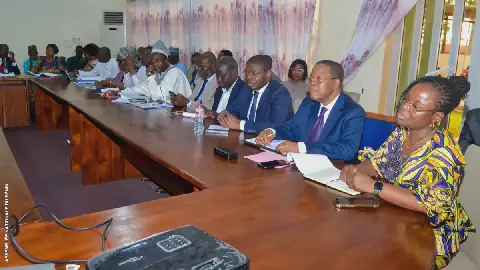
The Minister of Education has urged members of the National Council on Education to ensure that resolutions reached at the meeting translate into measurable improvements in the sector. He stressed that investments in physical infrastructure must be matched with improved teacher welfare, professional development, accountability, and quality learning outcomes.
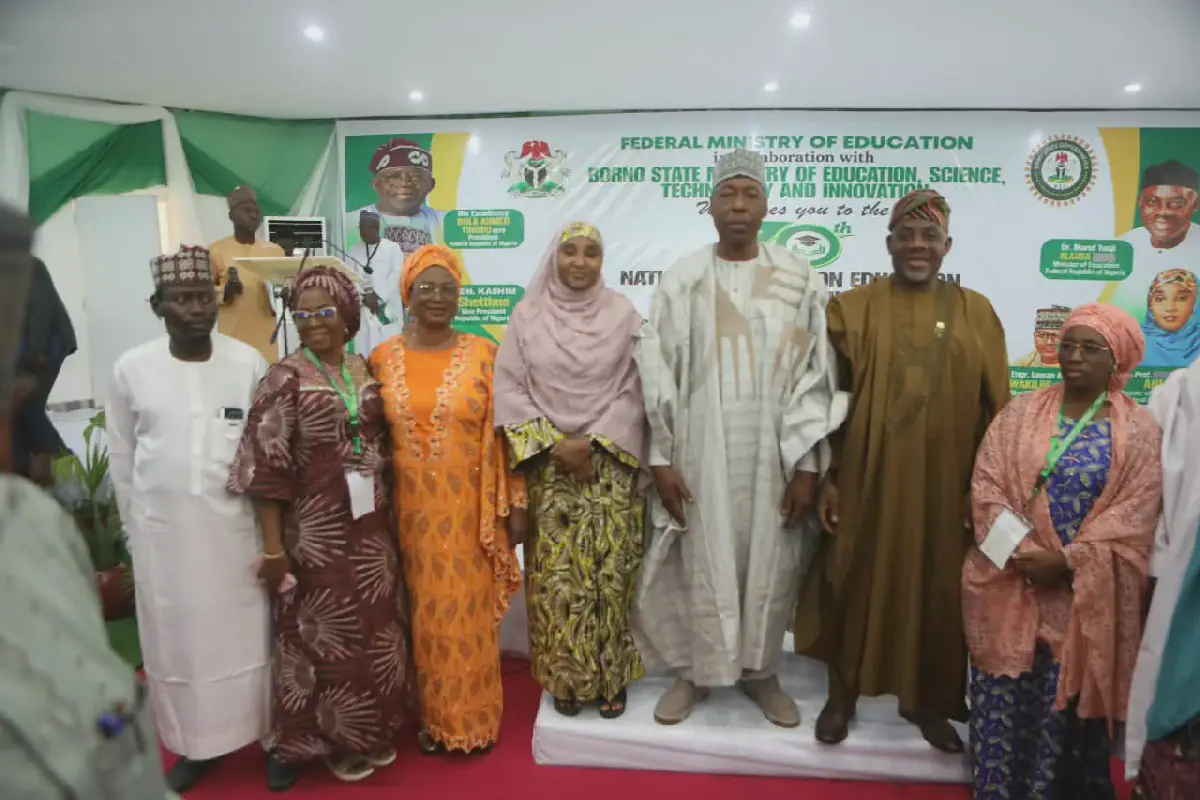
Borno State Governor, Babagana Umara Zulum, has commended the Federal Government's education reforms, particularly efforts to widen access, improve teachers' motivation, and address the disconnect between graduates' skills and labour-market requirements. He also announced plans to establish 27 high-skilled colleges across the state, with 15 already completed, to promote skills acquisition and bridge the gap between non-formal and formal education.
Key points
- The Nigerian government has disbursed approximately ₦379 billion through the Nigerian Education Loan Fund (NELFUND) to support students.
- Over 80,000 teachers are currently undergoing certification and licensing through the Teachers Registration Council of Nigeria (TRCN).
- The government plans to extend independent solar power supply to all federal tertiary institutions by 2028.
Reporting sources
- 80,000 teachers undergo certification as Alausa unveils fresh education investments · The Authority (newspaper)