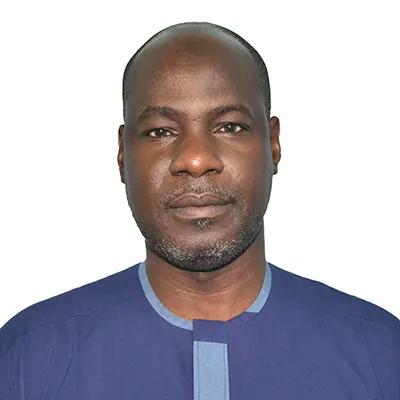
A recent op-ed by Professor Farmo Moumouni in Niger's Le Sahel newspaper sparked a national conversation on the themes of treason and double standards. Moumouni argued that countries promoting treason against African nations have historically condemned traitors and collaborators. Citing France's treatment of Marshal Pétain, Moumouni highlighted the stark contrast between Western rhetoric and actions. He pointed to the persecution of pan-Africanists like Nathalie Yamb and Kemi Séba, who face sanctions for expressing pro-Russian views.
The United States' Constitution explicitly defines treason in Article III, Section 3, Clause 1, as waging war or providing aid and comfort to enemies. The sanctions for treason include the death penalty, loss of political or military positions, and destitution. In contrast, some Western countries have been accused of supporting African dissidents who collaborate with hostile powers against their own nations. These dissidents, often labeled as "defenders of democracy and human rights," receive financial and logistical support from foreign backers.
The Sahel region, comprising Burkina Faso, Mali, and Niger, has become a battleground in the fight against terrorism and neocolonialism. However, some nationals from these countries have been accused of collaborating with hostile powers and groups, compromising national security and social cohesion. These individuals often receive support from Western countries, which claim to promote democracy and human rights.
Critics argue that Western powers apply double standards when dealing with treason and dissent. While they condemn African voices that sympathize with Russia, they provide a safe haven for dissidents who collaborate against their own countries. This selective approach to promoting democracy and human rights has sparked concerns about the true intentions of Western powers in the Sahel region.
The notion that traitors can be rehabilitated as "defenders of democracy" has been met with skepticism. Many believe that individuals who betray their countries will eventually betray their foreign backers. As President Ahmed Sékou Touré once said, "Those who sell themselves to foreigners for money to deprive their own people of sovereignty and freedom have ceased to be men in my eyes."
The struggle for sovereignty, freedom, and dignity in the Sahel region is a long-term endeavor. While traitors and their sponsors prioritize short-term gains, the people and visionary leaders of the region remain committed to their cause. The legacy of leaders like Sékou Touré continues to inspire a new generation of Africans who value independence and self-determination.
As the Sahel region navigates these complex challenges, it must confront the reality of treason and double standards. The international community must be held accountable for its actions, and African nations must prioritize their own interests and security. Ultimately, the people of the Sahel region will determine their own destiny, free from external interference and manipulation.
Key points
- Western powers are accused of applying double standards in their treatment of treason and dissent in the Sahel region.
- The Sahel region faces growing concerns over treason and national security threats from foreign-backed dissidents.
- African leaders and citizens are reaffirming their commitment to sovereignty, freedom, and dignity in the face of external pressures.