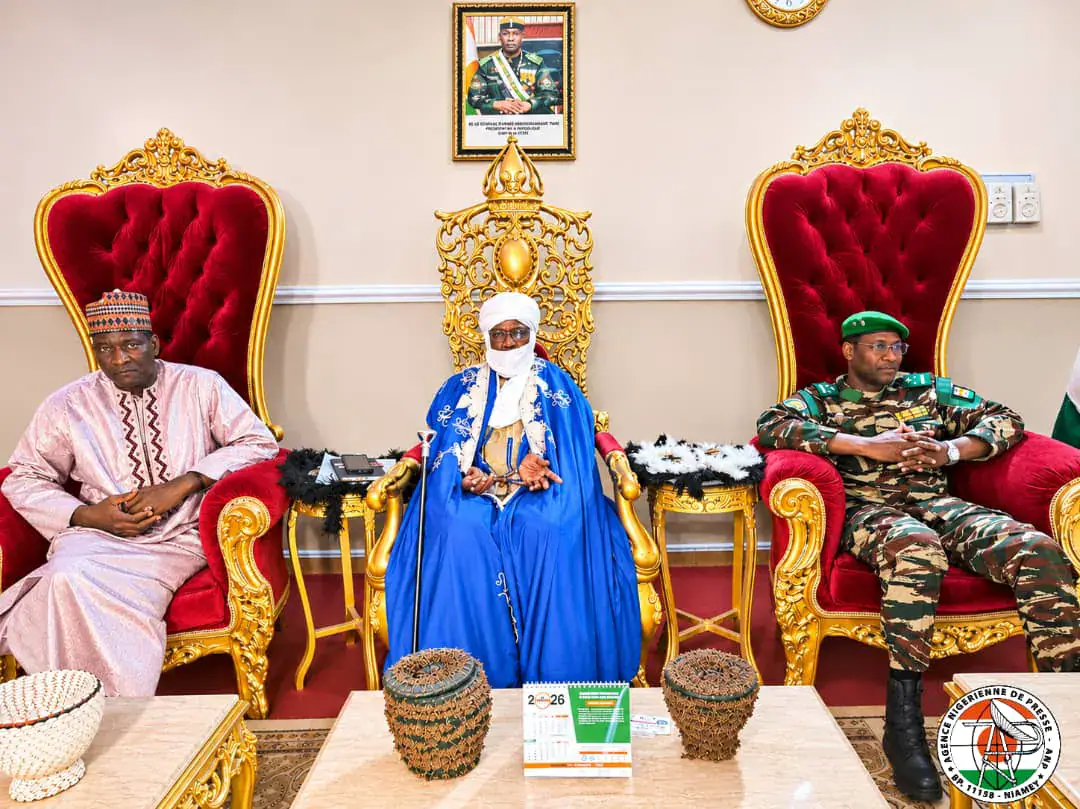
On November 12, 2026, Niger's Minister of Higher Education, Research, and Technological Innovation, Professor Mamadou Saidou, led a delegation to the University of Hummay Salmana in Diffa. The visit aimed to assess the progress of the institution's infrastructure development, including academic and social facilities, as well as its agro-pastoral installations. This trip is part of the government's efforts to improve the quality of education and living conditions for students.
The delegation, comprising high-ranking officials from the ministry, university rectors, and regional administrators, inspected various construction sites and facilities. They visited the administrative block, student dormitories, and an already completed infirmary. These infrastructure projects are crucial to the university's growth, enhancing its teaching, administrative, and accommodation capacities. The minister expressed satisfaction with the progress, noting the importance of these developments in improving students' living conditions.
During the visit, the minister and his delegation received detailed briefings on the status of each project, challenges faced, and prospects for completion. The university's agro-pastoral farm, which became operational last year, was a highlight of the tour. The farm has already yielded its first harvest, demonstrating its potential for pedagogical and productive purposes. The minister expressed particular satisfaction with the results achieved and the farm's potential for contributing to the university's autonomy.
The agro-pastoral farm is a key component of the university's strategy for self-sufficiency. The minister expressed hope that the farm would become a significant source of food for students, reducing dependence on external suppliers. This initiative aligns with the government's broader goals of improving education and living standards in the region. By investing in infrastructure and resources, the authorities aim to create a more supportive learning environment.
The University of Hummay Salmana is a vital institution in the Diffa region, and the government's investment in its development reflects a commitment to education and regional growth. The minister's visit underscores the importance of monitoring progress and addressing challenges to ensure the university's continued growth. By doing so, the authorities can provide students with better facilities and resources, ultimately enhancing their educational experience.
The visit also highlighted the collaboration between the ministry, university administrators, and regional officials in driving the institution's development. This coordination is essential for aligning the university's growth with regional needs and priorities. By working together, stakeholders can ensure that the university becomes a hub for academic excellence and community development.
The successful implementation of these projects will have a lasting impact on the region, providing students with improved facilities and opportunities for growth. The minister's inspection and feedback will inform future development plans, ensuring that the university continues to evolve and meet the needs of its students and the broader community. Key initiatives, such as the agro-pastoral farm, will be crucial in driving the university's autonomy and sustainability.
Key points
- The University of Hummay Salmana's agro-pastoral farm is now operational and has recorded its first harvest.