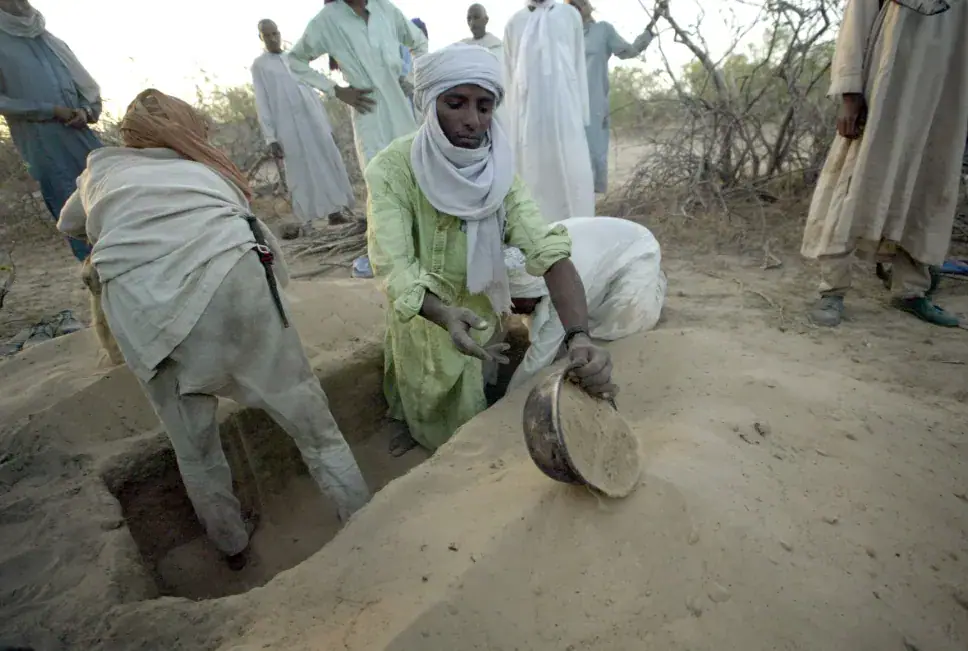
The government of Niger has ordered thousands of Arabs to leave the country by December 31, sparking concerns over the potential consequences of such a move. Many of these individuals have lived in Niger for decades, with some families having resided there for over 50 years. They have built their lives, raised their children, and contributed to the country's economy. The decision has raised questions about the fairness and potential impact on these communities.
The expulsion order has drawn criticism from human rights groups and analysts, who argue that it could lead to further instability in the region. A similar situation occurred in Mali, Burkina Faso, and other Sahel countries, where the stigmatization of Peul communities led to violence, mistrust, and extremist recruitment. Niger's decision may create a similar scenario, pushing marginalized groups towards extremist organizations.
The issue of collective punishment versus individual responsibility is also a concern. While some individuals within these Arab communities may be involved in illicit activities, it is unfair to condemn an entire community for the actions of a few. The principle of individual responsibility is a fundamental aspect of justice and essential for maintaining social peace. Niger's decision may undermine this principle and create a dangerous precedent.
The potential consequences of this decision extend beyond Niger's borders. Many of those expelled may seek refuge in neighboring countries, including Chad, which could strain relations between Niamey and N'Djamena. The two countries have recently experienced tensions due to reciprocal accusations and declarations. Pushing these populations towards the Chadian border could exacerbate the situation.
There are concerns that Niger's decision may also lead to the creation of stateless individuals. Many of those affected have lived in Niger for generations and may not possess Chadian citizenship, despite their ancestral ties to Chad. This could result in a significant humanitarian crisis, with thousands of people left without effective protection from any state.
Niger has committed to international agreements that prohibit collective expulsions and protect human rights. The African Charter on Human and Peoples' Rights and the Universal Declaration of Human Rights emphasize the importance of individual nationality and protection against arbitrary deprivation. The Commission on Human Rights and Peoples' Rights has already expressed concerns about the situation of Mahamid communities in Niger.
In conclusion, Niger's decision to expel thousands of Arabs raises significant concerns over security, human rights, and regional stability. The country would benefit from reconsidering this approach and adopting a more individualized and inclusive strategy to address security challenges. This would not only protect the dignity of thousands of people but also contribute to regional stability and security.
Key points
- The decision may create a new wave of instability in the Sahel region, similar to what occurred in Mali and Burkina Faso.
- Niger's actions may lead to the creation of stateless individuals, which could have severe humanitarian consequences.
- The expulsion order undermines the principle of individual responsibility and may exacerbate tensions between Niger and Chad.