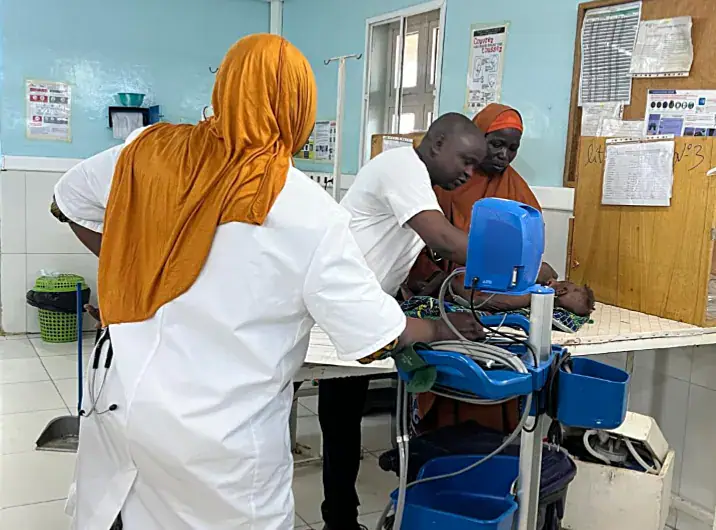
In Niger, the rainy season, which spans from July to November, typically leads to a surge in malaria and malnutrition cases among children. However, this year in Madarounfa, hospitalizations related to these health issues have decreased substantially compared to previous years. This positive trend is attributed to enhanced prevention activities and early case management at the community level.
The needs in the region remain significant, particularly due to the cross-border movement of populations from northern Nigeria, where insecurity continues to impact access to healthcare and living conditions. Nigerian children account for over 60% of pediatric admissions and often arrive in a severe condition. In response, the Niger Ministry of Health and Médecins Sans Frontières (MSF) are joining forces to address the situation.
According to Dr. Laouali Maman Mourtala, medical chief of the Madarounfa health district, the current occupancy rate of the pediatric unit is around 60%, down from over 100% during the same period last year. This significant decrease in hospital pressure is a positive indicator. Dr. Mourtala emphasizes the importance of early consultation at healthcare facilities, advising against self-treatment for even minor ailments.
Dr. Ibro Maman Sani, MSF's deputy medical activities manager, outlines the operational strategy in place to manage the annual influx of patients during the malaria peak. MSF has established a comprehensive system, including increased capacity and human resources, as well as adapted logistics, to effectively respond to the situation. This approach aims to mitigate the impact of the rainy season on public health.
MSF continues to manage and adapt its medical and nutritional programs in various Niger regions, including Tillabéry, Tahoua, Maradi, Zinder, Diffa, and Agadez. The organization is committed to sustaining these preventive successes and addressing the ongoing needs in the region. Collaboration with local health authorities is crucial in this effort.
The joint efforts of the Niger Ministry of Health and MSF are focused on providing adequate healthcare services to the affected populations, particularly children. By working together, they aim to reduce the incidence of malaria and malnutrition, ultimately decreasing hospitalizations and improving health outcomes in Madarounfa and beyond.
As the situation continues to evolve, the importance of sustained prevention and treatment efforts cannot be overstated. With ongoing support and cooperation, it is possible to build on the progress made in Madarounfa and promote better health for the local population. The partnership between the Niger Ministry of Health and MSF serves as a model for addressing pressing health concerns in the region.
Key points
- Hospitalizations due to malaria and malnutrition have decreased significantly in Madarounfa, Niger, thanks to strengthened prevention efforts and early community-based treatment.
Reporting sources
- Madarounfa : une réponse préventive renforcée face au paludisme et à la malnutrition · Agence Nigérienne de Presse