A significant increase in rent at Niamey's Grand Market has led to the closure of numerous shops in protest. The Socogem, the market's management company, raised the rent to 5,000 CFA francs per square meter, resulting in a monthly rent of 40,000 CFA francs for an 8-square-meter shop. This represents a substantial increase from the previous rent of just over 6,000 CFA francs. The Socogem justifies the hike by citing stagnant tariffs for decades and the need for funds to maintain and modernize the market's facilities.
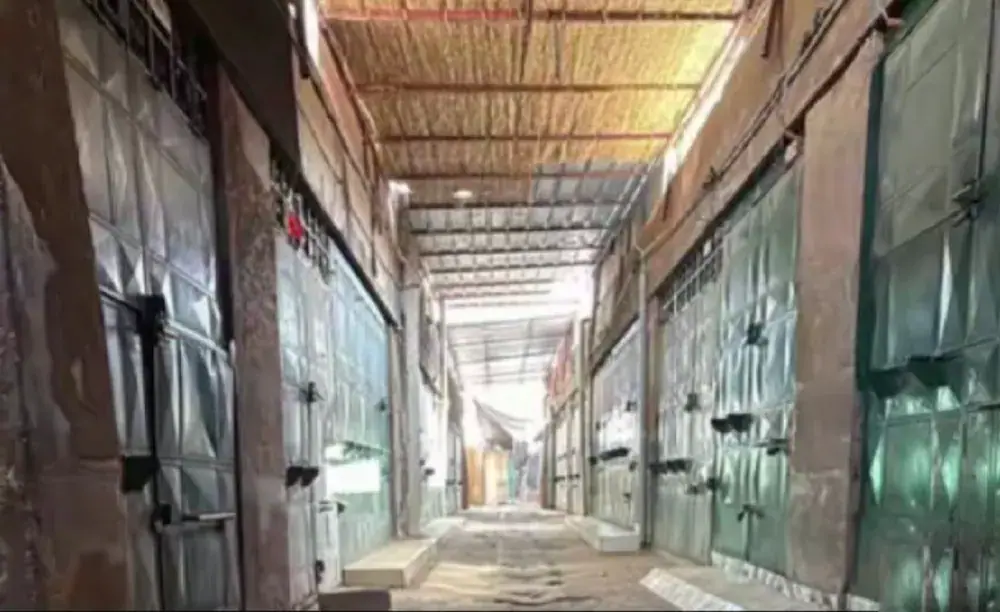
The rent increase has sparked widespread discontent among traders, who argue that the sudden surge is unaffordable, especially given the current state of commerce. Some traders have kept their shops closed for several days in protest, causing the market's economic activity to slow down. The Ministry of Commerce has acknowledged the situation, stating that the market, a key economic hub, has been operating at a reduced capacity for days. The closures reflect the traders' frustration with the Socogem's decision.
In an effort to resolve the dispute, traders sought institutional support, with a delegation led by Elhadj Abdoulaye Hassane meeting with the President of the Consultative Council for Refoundation (CCR), Dr. Mamoudou Harouna Djingarey, on November 4. The CCR president expressed willingness to examine the issue and engage with relevant authorities. Subsequently, the Minister of Commerce and Industry, Abdoulaye Seydou, convened a meeting with traders and Socogem representatives to mediate the conflict.
The outcome of the minister's mediation efforts has not been made public. However, the minister's intervention aims to find a balance between the need for market maintenance and the traders' capacity to absorb the rent increase. Possible solutions, such as a gradual implementation of the rent hike or tiered pricing based on shop size, are being considered. The situation remains tense, with traders seeking relief from the rent burden.
The Grand Market, rebuilt after a 1982 fire and reopened in January 1987, is a vital economic hub, providing livelihoods for thousands of families and supplying a significant portion of Niamey's population. The market's closure has sparked concern about the impact on the local economy. The Socogem's rent increase has been validated by a court decision, but traders argue that it is excessive and unsustainable.
The conflict has also sparked debate in the media, with some outlets calling for the authorities to take a firm stance. The weekly newspaper Le Monde d'aujourd'hui has urged the municipal authorities to enforce court decisions without yielding to traders' demands, which it characterizes as driven by a desire for immediate profit at the expense of the collective interest.
The dispute highlights the challenges of balancing the needs of traders, market management, and local authorities. As the situation unfolds, the minister's mediation efforts will be crucial in finding a solution that addresses the concerns of all parties involved. The traders, Socogem, and government must work together to find a sustainable solution that supports the market's continued operation and economic growth.
Key points
- Socogem raises rent to 5,000 CFA francs per square meter, causing widespread discontent among traders.
- Traders close shops in protest, causing market's economic activity to slow down.
- Minister of Commerce and Industry Abdoulaye Seydou attempts to mediate the conflict.
Reporting sources
- Hausse des loyers au grand marché de Niamey : les commerçants baissent le rideau · Nigerdiaspora - Niger