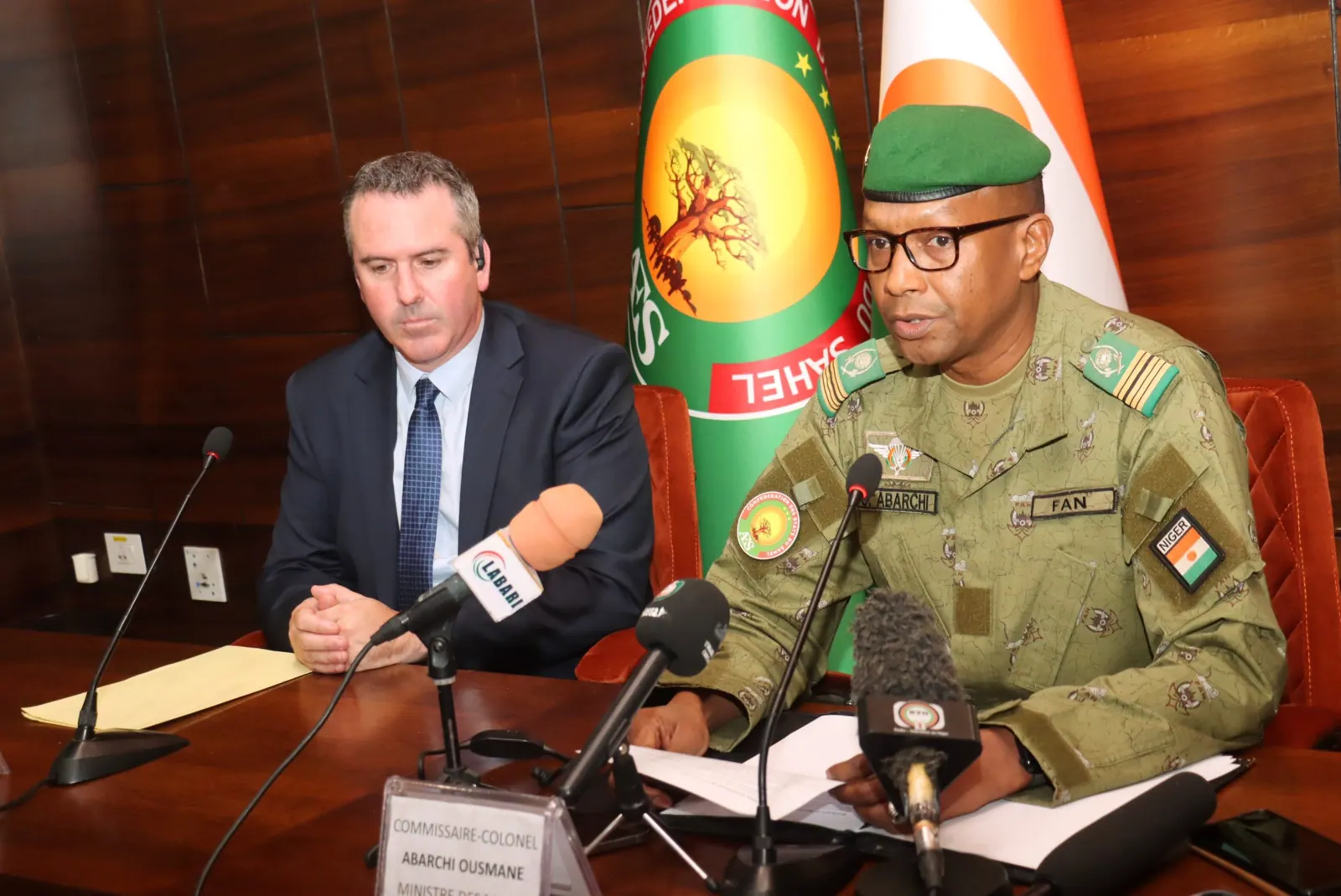
The government of Niger and Madaouela Mining Company (MAMICO) have signed a mining convention in Niamey, allowing the state to increase its participation in the Madaouela uranium project to 40%. The agreement was signed by Minister of Mines, Colonel Abarchi Ousmane, and Hoskins Philip Ross, Director General of MAMICO SA/GoviEx. This development marks a new stage in the project's history and aligns with Niger's national ambitions.
The project was revived after the state's permit for large-scale uranium mining, "Madaouela I", returned to the public domain in July 2024. This followed a decree and a dispute with the previous permit holder, GoviEx, which had initiated international arbitration. Technical, legal, and economic discussions led to a solution that preserved state interests and allowed the project to resume.
The new convention outlines a 40% stake for the Niger state, with Atomic Eagle holding the remaining 60% and controlling operations. The agreement includes an initial payment of $10 million in royalties and commitments to enhance mining administration capacities and local development. The project aims to create around 1,000 jobs, prioritizing Nigerien youth and local businesses in goods and services.
Minister Abarchi Ousmane emphasized that the mining sector's performance should be measured by its impact on the country's development. He called for the local content to become an instrument of economic transformation through training, skills transfer, and the growth of a Nigerien enterprise ecosystem around mining. The minister stressed the need for responsible, efficient, and environmentally controlled exploitation.
The Madaouela uranium project is expected to contribute significantly to Niger's economy and development. The government has assured investors of a clear regulatory framework, professional administration, and ongoing dialogue. The minister also reminded private partners of their obligation to respect national laws and regulations.
The project's revival is seen as a strategic move for Niger, given the importance of uranium as a resource. The country's authorities aim to ensure that the project is integrated into the national productive fabric and not an economic enclave. This development aligns with Niger's efforts to maximize benefits from its natural resources.
The implementation of the new convention will be closely monitored, with the government committed to ensuring that the project meets its economic, social, and environmental obligations. The increased state participation is expected to enhance Niger's control over its natural resources and contribute to sustainable development.
Key points
- Niger's government increases its stake in the Madaouela uranium project to 40% through a new mining convention with Madaouela Mining Company.
- The project aims to create around 1,000 jobs and prioritize local businesses in goods and services.
- The government emphasizes the need for responsible and environmentally controlled exploitation of the uranium resource.