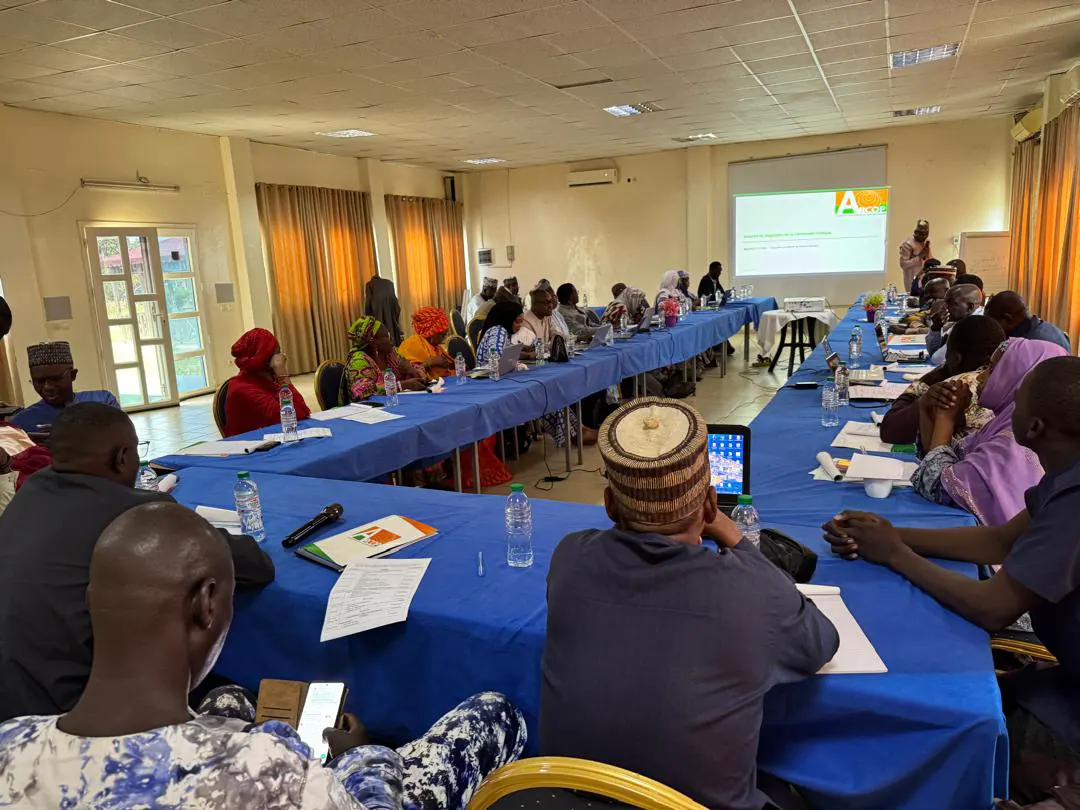
In Niger, the government has acknowledged the crucial role of citizen oversight in public procurement, alongside existing regulatory bodies such as the Autorité de Régulation de la Commande Publique (ARCOP) and the Cour des Comptes. This oversight is not limited to government agencies but also involves organizations from civil society and media actors. Their participation is vital in ensuring that public contracts are transparent, fair, and align with the real needs of the population.
The involvement of civil society organizations and media in public procurement oversight can occur at various stages, including preparation, execution, and monitoring. During the preparation phase, these actors can serve as watchdogs, alerting authorities to potential issues and proposing improvements. Although they cannot directly intervene in administrative decisions, their actions can promote transparency, integrity, and alignment of future contracts with the population's needs.
Civil society organizations and media can play a significant role in defining evaluation criteria focused on sustainable development, social impact, and gender equity. They can identify and denounce projects deemed unnecessary, overvalued, or biased towards private interests, with risks of corruption or favoritism. By scrutinizing planned procurement procedures, they can ensure efficient allocation of resources and demand the publication of feasibility studies, environmental impact analyses, and planning documents.
The media, as amplifiers and monitors of information, can investigate the justification of public contracts, translate complex technical and budgetary documents into simple language, and inform the public about how taxpayer money is being used. They can also reveal potential links between public decision-makers and future candidate companies and provide platforms for citizens to express their opinions on investment priorities.
Citizen oversight of public procurement by civil society and media actors serves as a safeguard, ensuring transparency, fairness, and good management of public funds. By raising alerts, denouncing irregularities, and using legal recourse, they can help block or correct biased procedures. This collaborative approach enables the Nigerien government to make informed decisions and promotes accountability in public spending.
The Agence Nigérienne de Presse reported that citizen oversight is essential in preventing corruption and ensuring that public contracts benefit the population. By working together, government agencies, civil society organizations, and media actors can promote good governance and transparency in public procurement. This, in turn, can lead to more effective use of public resources and improved development outcomes.
The Nigerien government encourages civil society organizations and media actors to continue playing an active role in monitoring public procurement. By doing so, they can help ensure that public contracts are awarded and executed fairly, transparently, and in the best interests of the population. This collaborative approach is crucial in promoting accountability, transparency, and good governance in Niger.
Key points
- The Nigerien government emphasizes the importance of citizen oversight in public procurement to ensure transparency and accountability.
- Civil society organizations and media actors play a vital role in promoting transparency and integrity in public procurement.
- Collaborative efforts between government agencies, civil society organizations, and media actors are essential in promoting good governance and transparency in public procurement.