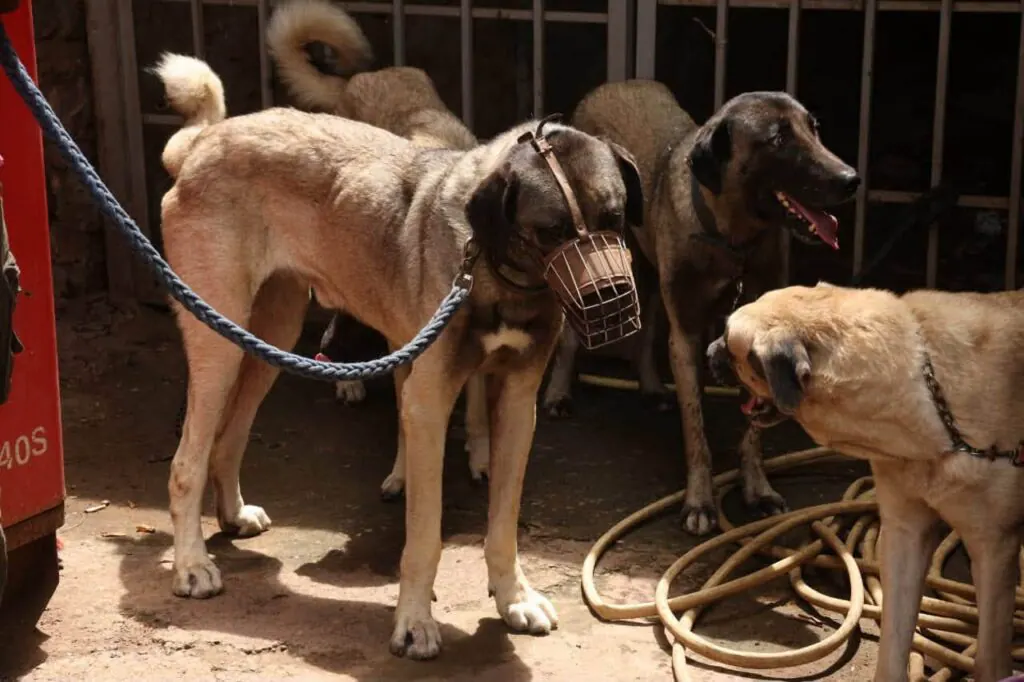
The Malian government has marked the 20th World Rabies Day, observed on September 28, with a ceremony in Bamako under the theme "Stronger Together." The event aims to raise awareness among pet owners about the importance of regular animal vaccination. This initiative aligns with the global goal to eliminate human deaths from dog-transmitted rabies by 2030. According to the government, the day focuses on educating pet owners and promoting vaccination.
Rabies is a viral disease that attacks the central nervous system and is primarily transmitted through the saliva of infected animals, usually via bites or scratches. The World Health Organization (WHO) reports that dogs are responsible for 99% of human rabies cases, with children aged 5-14 being frequent victims. The WHO estimates that there are 44,203 annual human deaths worldwide due to rabies. In Mali, the Ministry of Livestock and Fisheries reported that rabies is an endemic disease, with 11 deaths recorded between January and September 2024.
To combat the spread of rabies, the Malian government has been conducting a vaccination campaign. As of March 20, 2025, a total of 523 dogs had been vaccinated nationwide. The vaccines for dogs and cats are imported and cost between 15,000 and 20,000 FCFA, depending on the provider. The government emphasizes that vaccinating dogs is the most cost-effective strategy to prevent human rabies.
The WHO recommends specific steps to take after being exposed to potentially infected animals. If bitten or scratched, it is crucial to immediately wash the wound with soap and water for at least 15 minutes and then seek medical attention promptly. Post-exposure prophylaxis includes wound evaluation and complete anti-rabies vaccination. In cases of deep bites or mucous membrane contamination, the protocol may involve administering immunoglobulins or anti-rabies monoclonal antibodies.
The severity of exposure to rabies is categorized based on the type of wound. Superficial scratches without bleeding require immediate cleaning and vaccination, while deep bites or skin-penetrating scratches are classified as severe exposures. The WHO stresses that once clinical symptoms appear, the disease is almost invariably fatal. The incubation period typically ranges from two to three months but can vary from less than a week to a year.
In Mali, efforts to control rabies include public awareness campaigns and animal vaccination drives. The Ministry of Livestock and Fisheries, in collaboration with health authorities, aims to reduce the incidence of rabies through sustained vaccination efforts and education on post-bite care. By focusing on preventive measures, the government hopes to decrease the number of human deaths caused by rabies.
The Malian government urges pet owners to vaccinate their animals regularly and take immediate action if bitten or scratched by an animal. By adopting these measures, the country aims to make significant progress toward eliminating human deaths from rabies by 2030. Public cooperation and awareness are crucial in achieving this goal and ensuring a safer community for all.
Key points
- The Malian government has launched a nationwide vaccination campaign to immunize dogs against rabies.
- The WHO reports that dogs are responsible for 99% of human rabies cases worldwide.
- The global goal is to eliminate human deaths from dog-transmitted rabies by 2030 through sustained vaccination efforts and public awareness.