South Africa's new vehicle market showed resilience in September, with sales increasing by 12.7% to 61,645 units, compared to 54,706 units in September 2025, according to Naamsa. This growth occurred despite macroeconomic headwinds, including rising fuel prices and a 25 basis point increase in the repo rate to 7.25% in September. Naamsa CEO Mncane Mthunzi noted that the performance was remarkable given the difficult operating environment.
The passenger car segment was the best performer in September, with 44,291 sales, representing a 14.7% increase compared to September 2025. The car rental industry accounted for 18.4% of total sales. Light commercial vehicles, including bakkies and minibuses, sold 14,361 units, a 9.6% increase over September 2025. Medium commercial vehicle sales reached 789 units, up 3.4%, while heavy trucks and buses sold 2,204 units.
South Africa's new energy vehicle (NEV) market continued to grow strongly in 2026. During the first eight months of the year, NEV sales reached 18,945 units, surpassing the 16,703 units sold in 2025 by 13.4%. Traditional hybrid electric vehicles led the NEV market, accounting for 49.6% of total NEV sales year-to-date, followed by plug-in hybrid electric vehicles (PHEVs) at 36.5% and battery electric vehicles (BEVs) at 13.8%.
The composition of the NEV market is shifting rapidly, with rechargeable vehicles — PHEVs and BEVs combined — now accounting for just more than half of all NEV sales. This signals an important shift from a market historically dominated by conventional hybrid technologies. Year-to-date, about one in every 20 new vehicles sold in South Africa is now electrified, according to Naamsa.
Export sales, however, declined by 18.8% compared to September 2025, amounting to 31,473 units last month. Despite this decline, Toyota maintained its domestic market leadership, selling more than twice as many vehicles as its nearest competitor, Suzuki. The top brands in September included Toyota, Suzuki, Volkswagen Group, Ford, and Hyundai.
Mncane Mthunzi attributed the strong sales performance to competitive pricing, attractive financing propositions, and a wider range of entry-level and value-orientated products. These factors have helped sustain demand despite traditional macroeconomic fundamentals remaining constrained. The industry's resilience is encouraging, given the increasingly difficult operating environment facing consumers and businesses.
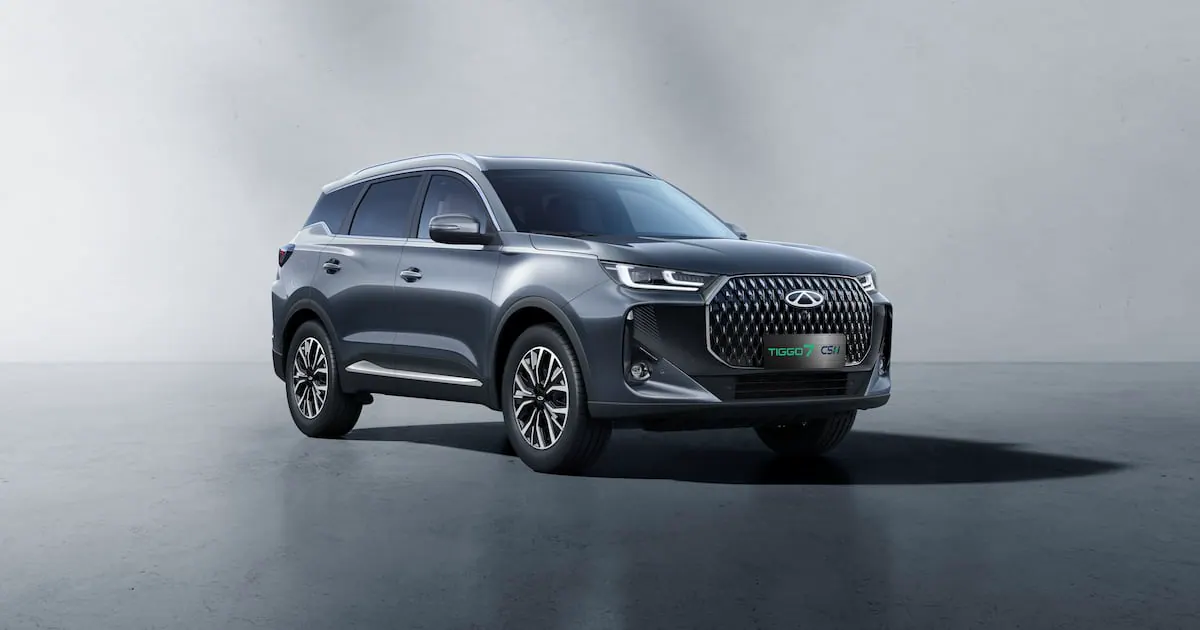
The top 15 brands in September were: Toyota (15,366 units), Suzuki (6,668), Volkswagen Group (5,968), Ford (3,190), Hyundai (3,057), Isuzu (3,022), Chery (3,004), GWM (2,700), Jetour (2,036), Kia (1,840), Renault (1,711), Omoda & Jaecoo (1,503), Mahindra (1,398), BMW Group (1,396), and Tata (883).
Key points
- New vehicle sales in South Africa rose 12.7% in September to 61,645 units.
- The new energy vehicle market grew strongly, with sales reaching 18,945 units in the first eight months of 2026.
- Export sales declined by 18.8% compared to September 2025, amounting to 31,473 units.