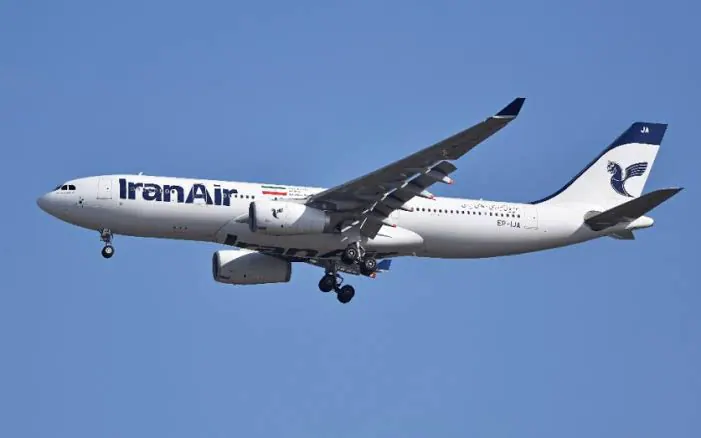
New US sanctions on Iranian airlines have come into effect, with the US Treasury warning that most of Iran's remaining air fleet could be grounded within 48 hours. The sanctions, which were announced on September 8, target 27 Iranian airlines, including Iran Aseman, Qeshm Air, and Iran Air Tour, for allegedly providing logistical and military support to the Iranian government.
The US Treasury's Office of Foreign Assets Control (OFAC) has imposed secondary sanctions on Iranian airlines, which will isolate Iranian aircraft from global supply chains and services. Airports providing services to Iranian airlines risk being excluded from the US dollar-based financial system. US Treasury Secretary Scott Mnuchin said the sanctions will significantly impact Iran's aviation sector.
Despite the new sanctions, Iran Air has stated that it will continue to operate flights to Istanbul, Baku, and Najaf, citing a lack of formal notification from authorities to suspend operations. The airline's announcement suggests that some Iranian airlines may find ways to circumvent the sanctions, at least in the short term. However, the long-term impact of the sanctions on Iran's aviation sector remains uncertain.
The US Treasury's decision to revoke licenses allowing non-US companies to operate US-made aircraft to or from Iran, or to fly over Iranian airspace, is expected to further restrict Iranian airlines' access to global aviation services. This move is likely to exacerbate the challenges faced by Iranian airlines in maintaining their fleets and providing services to passengers.
The new sanctions are part of the US government's efforts to pressure Iran to negotiate a new nuclear deal. The Iranian government has faced significant economic challenges in recent years, including a decline in oil exports and a sharp devaluation of the rial. The sanctions on Iranian airlines are likely to further strain the country's economy.
The impact of the sanctions on the Iranian people and the country's economy is likely to be significant. With limited access to global air travel, Iranians may face increased difficulties traveling abroad for business or leisure. The sanctions could also affect the country's tourism industry, which has been a growing sector in recent years.
The US sanctions on Iranian airlines have significant implications for the country's aviation sector and the broader economy. As the sanctions take hold, Iranian airlines may be forced to ground more flights or reduce their services, further isolating the country from the global community.
Key points
- US sanctions on Iranian airlines could ground most of Iran's remaining air fleet within 48 hours.
- The sanctions target 27 Iranian airlines for allegedly providing logistical and military support to the Iranian government.
- Iranian airlines may find ways to circumvent the sanctions, but the long-term impact on the aviation sector remains uncertain.