The Libyan House of Representatives held a session to elect a new leadership, with Saleh Al-Abidi being elected as the president, replacing Counselor Aqila Saleh. The election took place after amendments were made to the internal regulations of the council. Al-Abidi was elected with a significant change in the leadership of the legislative authority, which has been led by Aqila Saleh since 2014.
The session was attended by over 100 representatives and was held in the city of Benghazi. The new president, Saleh Al-Abidi, was elected after a competitive process, with some representatives questioning the legitimacy of the session. However, the spokesperson for the House of Representatives, Abdullah Bleyiq, stated that the council voted with a majority of 98 votes to approve the parliamentary session for the office of the presidency.
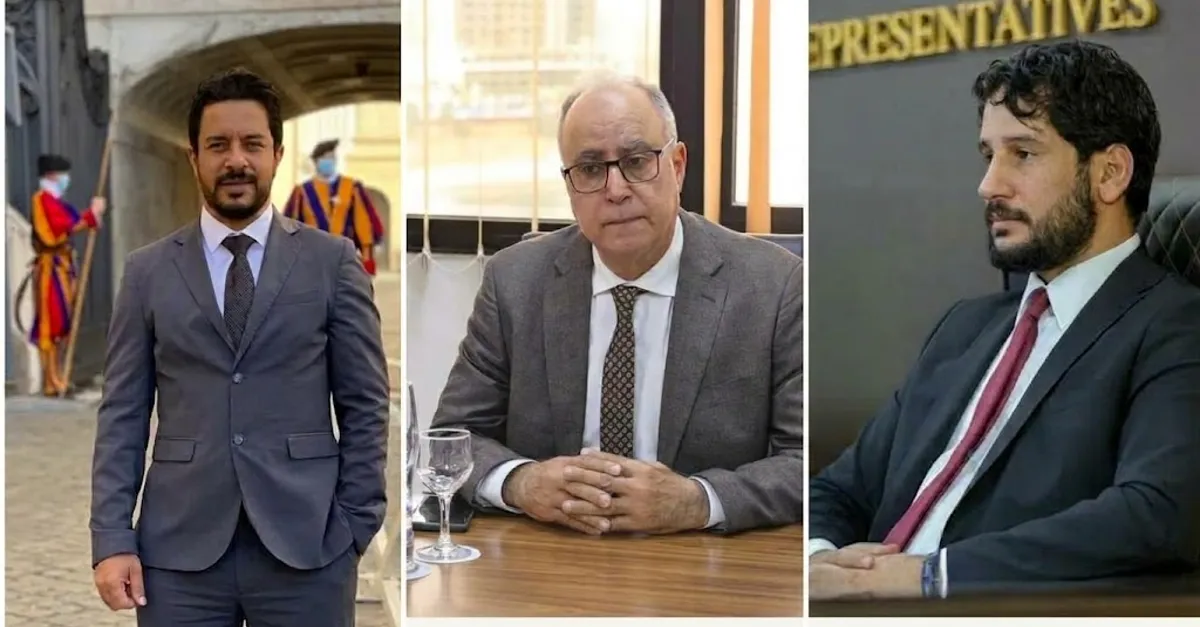
The election of the new leadership took place in two stages, with the first stage seeing the election of the president. The second stage involved the election of the first and second deputies. Tariq Al-Ashtar was elected as the first deputy, after a second-round vote, with 63 votes, beating his competitor, Sadik Hammouda, who received 47 votes.
In addition to electing the president and first deputy, the council also elected Misha'an Duma as the second deputy, representing the southern region. Zaid Hadiya was elected as the secretary of the Libyan House of Representatives, completing the new leadership structure.
The election of Saleh Al-Abidi as president marks a significant change in the leadership of the Libyan legislative authority, which has been led by Aqila Saleh for over 12 years. This change takes place amidst multiple political paths in Libya, including the road map sponsored by the United Nations and other initiatives.
The new leadership will have to navigate the complex political landscape in Libya, including issues related to the electoral laws and the formation of a new government. The legitimacy of the new leadership has been questioned by some, including Aqila Saleh, who stated that the procedures taken do not have a legal basis and do not have any effect.
Despite these challenges, the new leadership will have to work towards stabilizing the political situation in Libya and addressing the various issues facing the country. The international community, including the United Nations, will be watching closely to see how the new leadership navigates these challenges.
Key points
- The Libyan House of Representatives has elected a new leadership, with Saleh Al-Abidi as president, replacing Aqila Saleh who has led the council since 2014.
- The new leadership includes Tariq Al-Ashtar and Misha'an Duma as deputies, and Zaid Hadiya as the secretary of the council.
- The election of the new leadership takes place amidst multiple political paths in Libya, including the road map sponsored by the United Nations.