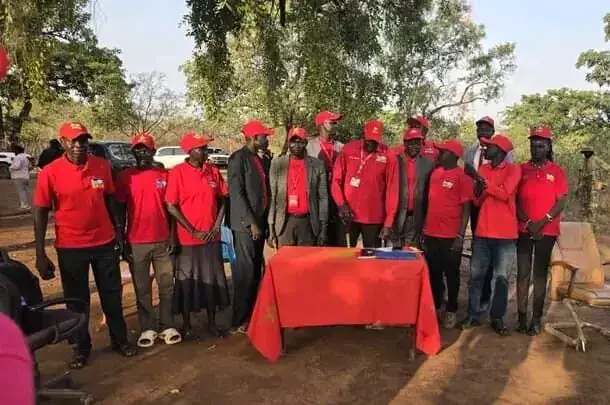
The Sudan People's Liberation Movement (SPLM) primary elections in Western Equatoria State have brought new faces to the forefront, with several established politicians reportedly losing their bids for party nominations. Among them is former National Minister of Youth and Sports Mary Nawai, who lost the SPLM primaries in Ibba County to Adriano Esengo. Esengo was elected as the party's flag bearer for Ibba County Geographical Constituency No. 4.
The results have raised questions about the political future of long-serving leaders and whether voters are seeking a change in representation. Residents say the emergence of new candidates reflects dissatisfaction with political leadership that has not adequately addressed persistent challenges, including unemployment, poor roads, and limited health services. A female resident of Yambio said voters want leaders who can listen to the people, understand their problems, and bring development to their communities.
The resident added that the electorate expects leaders to address challenges affecting families, particularly unemployment and limited access to essential services. She said voters are tired of hearing promises during political campaigns and want leaders who can deliver. A male resident in Ibba County, Malesh Gimiko, described the primaries as an opportunity for the party to open political space to new leadership.
Gimiko cautioned that new candidates should not automatically be considered better leaders simply because they are unfamiliar faces. He said voters need people with integrity, experience, vision, and the ability to deliver. The ongoing political developments follow organisational changes within the SPLM in Western Equatoria, with the SPLM High-Level Organising Committee for Congresses and Primary Elections issuing Order No. 001/11/2026 dissolving party structures at state, county, payam, and boma levels.
The changes were part of the party's organisational preparations for congresses and primary elections. Deng Dau Deng, chair of the SPLM High-Level Organising Committee, called on party members to take ownership of the process, emphasising grassroots participation in selecting candidates. Although the emergence of new candidates may indicate changing political preferences within the party, winning the primaries does not automatically guarantee victory in the general elections.
The credibility of the exercise will also depend on transparency, inclusiveness, and whether defeated aspirants accept the outcomes. For Western Equatoria residents, the growing competition between established politicians and new candidates has brought renewed attention to accountability, representation, and the performance expected from those seeking public office.
The central question remains whether the new candidates emerging from the primaries will translate their victories into meaningful leadership and improved services for communities across the state. The outcome will likely have implications for the state's political landscape and the lives of its residents, who are eager for change and better representation.
Key points
- New candidates have emerged victorious in Western Equatoria's SPLM primaries, challenging established politicians ahead of general elections.