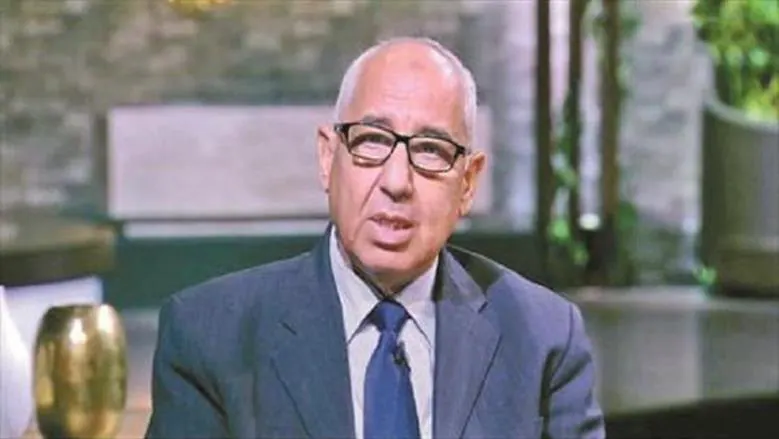
The Egyptian pharmaceutical sector has witnessed a significant development with the introduction of a new drug pricing decision. According to Dr. Ali Aouf, head of the Pharmacists' Chamber at the Egyptian Federation of Chambers of Commerce, the new decision, numbered 480, modifies the discount system for pharmacists that has been in place for years. This change aims to adjust the long-standing pricing structure that was last updated in 2012.
The previous pricing decision, numbered 499 and issued in 2012, set the pharmacist discount at 20% for essential medicines and 25% for non-essential ones. This system remained in effect for 14 years, until the introduction of the new decision. Dr. Aouf highlighted that the new pricing structure raises the pharmacist discount to 22% for essential medicines and 27% for non-essential ones. The classification of medicines as essential or non-essential is determined by the Egyptian Drug Authority.
The decision to increase the pharmacist discount comes as an effort to compensate for the losses incurred by pharmacies. According to Dr. Aouf, the 2% increase in discounts aims to alleviate the financial strain on pharmacies. This adjustment reflects the ongoing efforts to balance the pharmaceutical market and ensure the sustainability of pharmacies across Egypt.
The new drug pricing decision is expected to have a significant impact on the pharmaceutical sector in Egypt. With the updated discounts, pharmacies are likely to experience changes in their operational costs and profit margins. The decision also underscores the government's commitment to revising and refining the regulatory framework to address the evolving needs of the healthcare sector.
Dr. Aouf's statements were made during a phone interview with Lamis Al-Hadidi, host of the "Al-Suwar" program on Al-Nahar TV. The discussion provided insights into the implications of the new pricing decision on the pharmaceutical industry. The Pharmacists' Chamber plays a crucial role in representing the interests of pharmacists and pharmacies in Egypt.
The Egyptian government has been actively working on improving the healthcare sector, including the management of pharmaceuticals. Recent initiatives have focused on enhancing the regulatory environment and ensuring the availability of essential medicines. The new drug pricing decision is part of these broader efforts to create a more sustainable and equitable healthcare system.
The implementation of the new pricing decision will be closely monitored by stakeholders, including pharmacists, healthcare providers, and patients. The decision's impact on the availability, affordability, and accessibility of medicines will be critical in assessing its effectiveness. As the pharmaceutical sector continues to evolve, the Egyptian government is likely to face ongoing challenges in balancing the needs of various stakeholders.
Key points
- The new drug pricing decision in Egypt increases pharmacist discounts to 22% for essential and 27% for non-essential medicines.