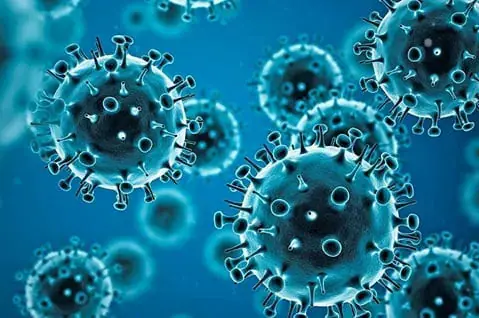
The COVID-19 pandemic has taken a new turn with the emergence of a novel variant, PJ.2.1, which is a sub-lineage of the JN.1 strain, a descendant of the Omicron variant. This new variant was first identified in Ontario, Canada, on May 2, 2026, and has since been detected in several US states, as well as in European countries such as Spain and France. According to Akhbar Libya 24, the PJ.2.1 variant has also been reported in other countries, including Singapore, Australia, New Zealand, and Israel.
A recent study published in the Journal of Infection suggests that PJ.2.1 has been spreading rapidly, based on genetic sequencing data and environmental samples, including wastewater surveillance. The study found that the variant has undergone genetic changes in its spike protein, which may enable it to bind more efficiently to human cells. This could potentially explain its increased transmissibility compared to other variants.
Despite concerns about its spread, there is currently no conclusive evidence that PJ.2.1 causes more severe symptoms or increased complications compared to previous variants. Researchers have noted that the variant's ability to evade antibodies generated by updated vaccines is not significantly different from other variants. As a result, experts stress that the current vaccines remain effective in preventing severe illness and death.
The World Health Organization (WHO) is closely monitoring the evolution of COVID-19 variants, including PJ.2.1. According to a report by the Centre for Health Protection in Hong Kong, the WHO is tracking the JN.1 lineage, which includes PJ.2.1, as a variant of interest. The report also notes that global COVID-19 activity remains low, with varying trends in different regions and countries.
While PJ.2.1 has been detected in several countries, it is essential to note that the current data do not suggest a significant increase in severe illness or hospitalizations. However, certain populations, such as older adults and individuals with weakened immune systems, remain at higher risk of severe disease. Health authorities recommend continued vigilance, including adherence to basic prevention measures, such as hand hygiene, social distancing, and mask-wearing in crowded areas.
The Centers for Disease Control and Prevention (CDC) and other health organizations emphasize the importance of vaccination in preventing severe illness and death from COVID-19. While the emergence of new variants like PJ.2.1 underscores the need for ongoing monitoring and evaluation, the available evidence suggests that current vaccines remain effective in protecting against severe disease.
As the situation continues to evolve, health experts stress the importance of staying informed through credible sources and avoiding speculation or misinformation. The emergence of PJ.2.1 serves as a reminder of the ongoing need for vigilance and cooperation in the face of COVID-19, as well as the importance of continued research and monitoring to understand the evolving nature of the pandemic.
Key points
- The PJ.2.1 variant has been detected in several regions of North America and Europe, sparking concerns about its potential impact on public health.
- The World Health Organization (WHO) is closely monitoring the evolution of COVID-19 variants, including PJ.2.1.
- Health authorities recommend continued vigilance, including adherence to basic prevention measures, such as hand hygiene, social distancing, and mask-wearing in crowded areas.