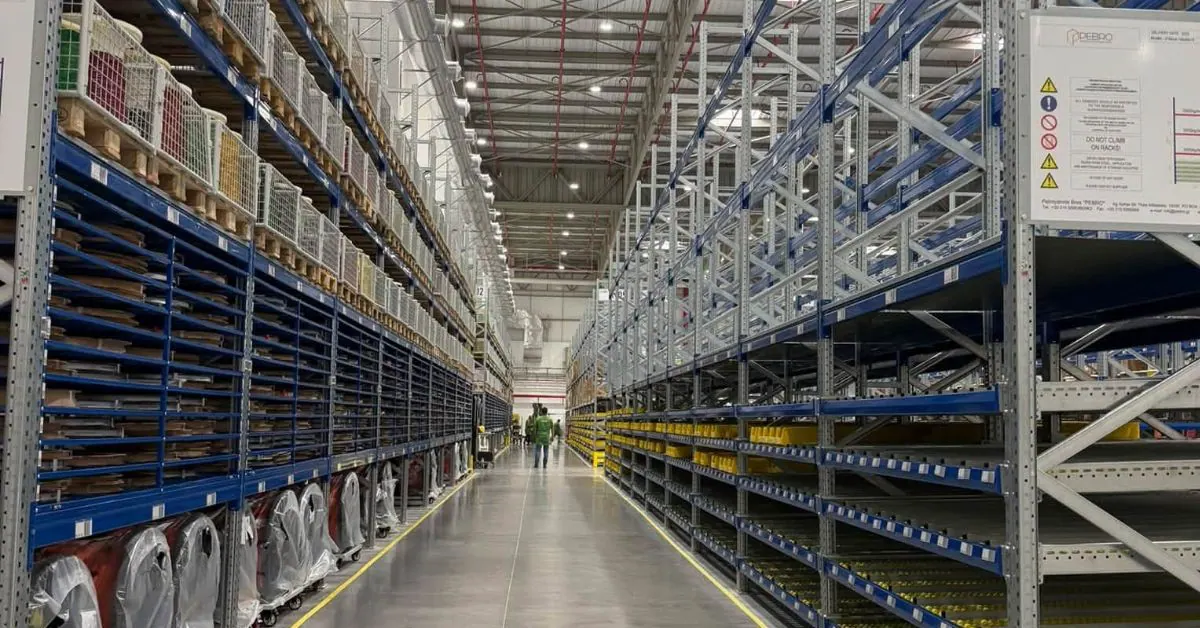
The governorate of Bajah in Tunisia has welcomed a new factory producing car cables and components, marking the second facility of its kind in the region. The opening ceremony took place on October 1, 2026, and was attended by the German Ambassador to Tunisia. This new investment is part of efforts to strengthen German-Tunisian economic cooperation and support the development of the industrial sector in Bajah.
The new factory is an expansion of a German industrial group that already operates a production unit in Bajah, employing approximately 6,800 people. According to Fathi Al-Sahlawi, General Director of Metal Industries at the Ministry of Industry, Mines, and Energy, the new facility is expected to create around 7,500 jobs over the next four years. This significant investment is seen as a boost to Tunisia's industrial fabric and the automotive sector.
The Ministry of Industry, Mines, and Energy has set ambitious targets to develop partnerships between the public and private sectors. One of the key objectives is to create 60,000 jobs between 2022 and an unspecified date. The new factory in Bajah aligns with these goals, contributing to the growth of Tunisia's manufacturing sector and enhancing its appeal to foreign investors.
The investment by the German industrial group is a testament to Tunisia's potential as a hub for automotive manufacturing in North Africa. The country's strategic location, skilled workforce, and favorable business climate make it an attractive destination for companies looking to expand their operations in the region.
The factory's production will cater to the growing demand for car cables and components in the European and African markets. With its state-of-the-art facilities and cutting-edge technology, the new factory is poised to become a major player in the industry, contributing to Tunisia's economic growth and development.
Local authorities and residents have welcomed the new factory, citing the positive impact it will have on the local economy and job market. The creation of thousands of jobs will not only improve living standards but also contribute to the region's economic diversification and growth.
The opening of the new factory in Bajah marks a significant milestone in Tunisia's industrial development, highlighting the country's potential for growth and investment. As the country continues to implement reforms and improve its business environment, it is likely to attract more foreign investment and become a major player in the region's manufacturing sector.
Key points
- The new factory is expected to create around 7,500 jobs over the next four years.
- The factory is part of a German industrial group's expansion into Tunisia, which already employs approximately 6,800 people.
- The investment aligns with Tunisia's strategy to develop partnerships between the public and private sectors and create 60,000 jobs between 2022 and an unspecified date.