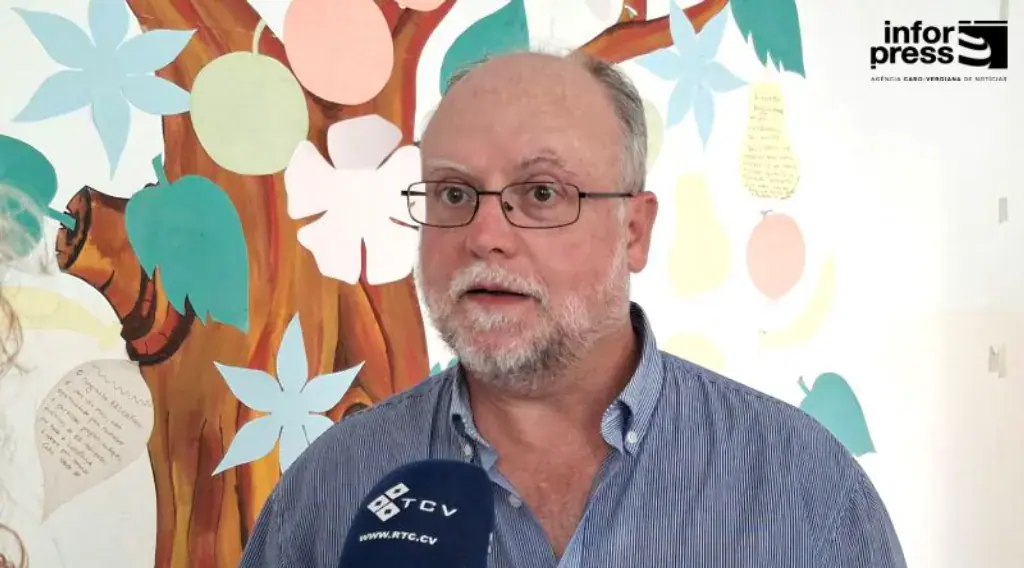
Researchers in Cabo Verde have made a significant discovery that challenges previous assumptions about the country's pre-colonial history. According to Professor Nuno Ribeiro, new archaeological findings suggest that human occupation in Cabo Verde may have been more complex and intense than previously thought. The discovery was made during the international conference "Brief Introduction to Pre-Colonial History and Archaeology of Macaronésia" organized by the University of Cabo Verde. Ribeiro presented the preliminary results of a 16-year project by the Portuguese Association of Archaeological Investigation.
The research team identified new shell mounds, or concheiros, in addition to those already studied in 1998 and 2005. They also found other structures, including mamoas and a possible megalithic structure. Ribeiro noted that these findings indicate a possible permanent human settlement in Cabo Verde before the 15th century. The team observed these vestiges during visits to the country, but the conclusions are still provisional as no dating, excavations, or surveys have been conducted.
Ribeiro emphasized that the elements found suggest a human occupation that may not have been sporadic but rather permanent, involving different population groups. He mentioned possible influences from the Senegambia region and the North of Africa. The researcher highlighted that the vestiges found indicate these two influences and, by comparison with other archaeological contexts, point to a human presence before the 15th century.
The discovery opens up new perspectives for the study of Cabo Verde's history and archaeology, as well as the understanding of relationships between different peoples in antiquity. Ribeiro stated that Cabo Verde may have played a role in the contact between various peoples in the ancient world. The research project is part of a broader investigation into pre-colonial occupations in Macaronésia, which includes the archipelagos of the Azores, Madeira, Canary Islands, and Cabo Verde.
The Portuguese Association of Archaeological Investigation has been conducting research on pre-colonial occupations in Macaronésia for several years. The project aims to shed light on the history of human presence in the region and the interactions between different cultures. The findings in Cabo Verde provide valuable insights into the lives of people who lived in the archipelago before the arrival of European colonizers.
The research team's findings have significant implications for our understanding of Cabo Verde's history and cultural heritage. Ribeiro noted that the discovery could lead to a reevaluation of the country's pre-colonial past and its place in the broader context of African and Atlantic history. The study's results highlight the importance of continued research into the archaeology of Cabo Verde and its role in the ancient world.
The University of Cabo Verde collaborated with the research team on the project, which is part of a larger effort to investigate pre-colonial occupations in Macaronésia. The findings will contribute to a better understanding of the region's history and cultural diversity. As research continues, more information is expected to emerge about the lives of people who lived in Cabo Verde and the surrounding islands before the arrival of European colonizers.
Key points
- The discovery of new archaeological vestiges in Cabo Verde suggests a possible permanent human settlement in the country before the 15th century.