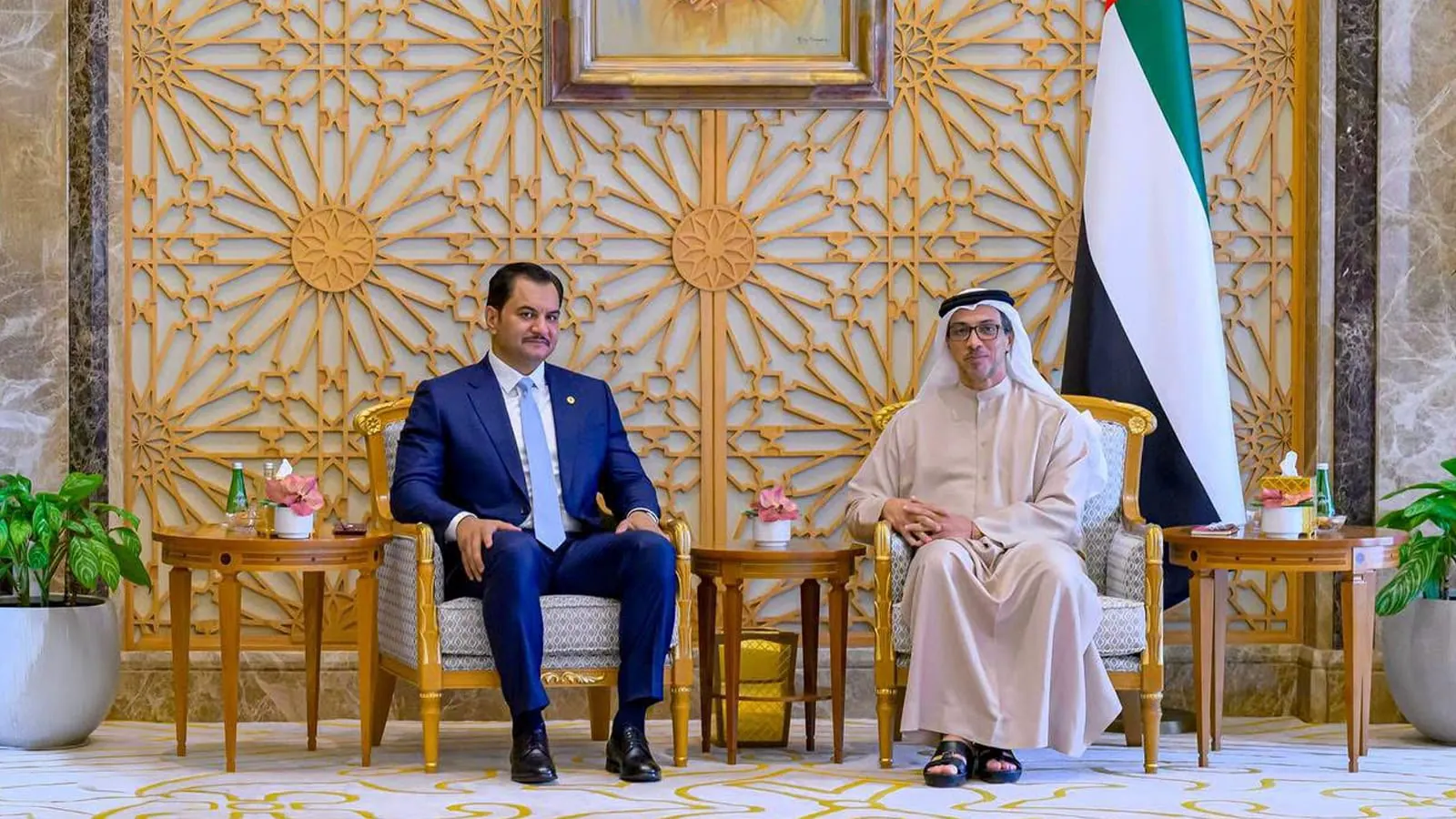
An Italian newspaper, Il Fatto, reported that Israeli Prime Minister Benjamin Netanyahu held a secret meeting with Saddam Haftar, son of Libyan commander Khalifa Haftar, in Abu Dhabi. The meeting took place during Netanyahu's visit to the United Arab Emirates. According to the report, the meeting is part of efforts by Saddam Haftar to gain political support for his potential candidacy for the Libyan presidency.
The report cited flight tracking websites that monitored the arrival of a plane from Benghazi to Abu Dhabi. The plane, an Airbus A319 with registration number P4-KH519, is reportedly used for Saddam Haftar's foreign travel. This development has sparked interest in the potential implications of the meeting for Libyan and regional politics.
Saddam Haftar is planning to hold a series of meetings with American officials, including the US Vice President. He also aims to hold another summit with a US envoy close to former US President Donald Trump. These diplomatic efforts appear to be aimed at presenting Haftar as a viable political player in Western circles, rather than just a military leader.
The Italian newspaper noted that secret meetings between Saddam Haftar and Israeli officials are not unprecedented. In 2021, a report by the Israeli newspaper Haaretz tracked one of Haftar's planes to Ben Gurion Airport in Israel. This history of clandestine interactions raises questions about the nature of the relationship between Haftar and Israeli officials.
Analysts believe that these developments reflect the complex and often opaque nature of politics in Libya and the wider region. The involvement of external actors, including Israel and the US, adds to the uncertainty and potential for unpredictable outcomes. The situation in Libya remains fragile, with ongoing efforts to stabilize the country and pave the way for elections.
The reported meeting between Netanyahu and Saddam Haftar has sparked interest in the potential implications for Libyan politics. It also highlights the role of external actors in shaping the country's future. As the situation in Libya continues to evolve, the international community remains closely engaged, with many stakeholders seeking to promote stability and democracy in the country.
The incident underscores the challenges of navigating complex geopolitics in the region. With multiple actors vying for influence, the situation in Libya remains precarious. The international community will be watching closely as the situation unfolds, with many hoping for a peaceful and stable resolution to the country's ongoing challenges.
Key points
- Netanyahu's secret meeting with Saddam Haftar in Abu Dhabi has sparked interest in the potential implications for Libyan politics and the role of external actors in shaping the country's future.