Nepal is set to embark on a high-stakes project to drain four glacial lakes located in the high mountains, aiming to reduce the risk of floods and mitigate the impact of climate change. The project, expected to begin in the current fiscal year, targets the central and eastern lakes of Thulagi, Lower Barun, Lumding Tsho, and Hongu II. These lakes, situated at heights ranging from 4,050m to 5,483m, are considered among Nepal's most potentially hazardous.
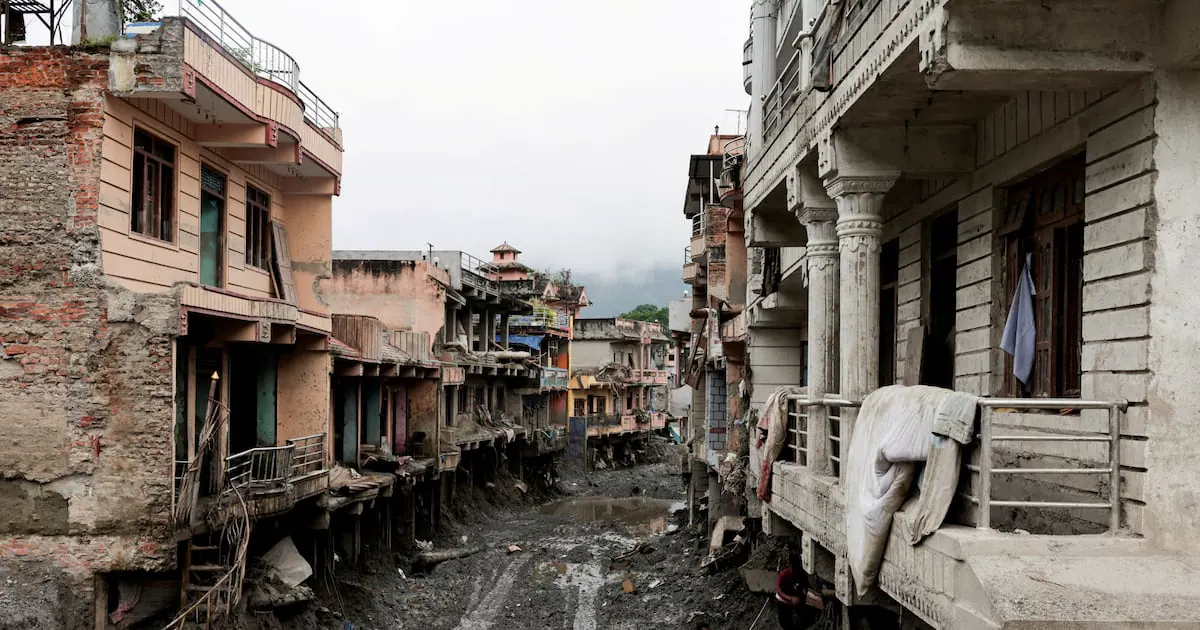
The recent glacier collapse in the border region with China triggered landslides and a flash flood that tore through valleys, resulting in the loss of over 1,400 lives and leaving more than 5,000 people missing. The disaster has highlighted the urgent need for Nepal to address the risks associated with glacial lakes. According to Subash Tuladhar, an expert with a government research centre, the aim is to lower the risk of the lakes breaching their natural dams and reduce the risk of downstream floods.
The project, estimated to cost $50m, will be funded by the Green Climate Fund, the UN Development Programme (UNDP), and the Nepalese government. The work will involve the installation of canals to drain water into nearby rivers in a regulated manner. However, workers will face significant health risks due to the lengthy periods of high-altitude work required, in addition to the dangers of sudden flooding.
Design work and detailed studies for the project are expected to begin in the fiscal year that runs until mid-July 2027. The project could take up to six years to complete, according to Sanjeeb Baral, the executive director of Nepal's Centre for Hydrology and Water Resources Research. The project will also involve the installation of sensors, a flood forecasting and warning system, and efforts to build downstream resilience and prepare communities for the risks.
Nepal has experience in undertaking similar projects, having lowered the level of the central Himalayan glacial lake of Tsho Rolpa by 3m in 2000 and that of Imja in the vicinity of Mount Everest 10 years ago. According to Samjwal Ratna Bajracharya, a retired ICIMOD expert, lowering the lakes by 3m would significantly reduce the threat of glacial lake outburst floods.
Climate change has had a devastating impact on Nepal, with the country reporting about 26 glacial lake outburst flood events in the past four decades. The country loses over 300 lives and property worth millions of dollars to extreme climate events annually on average. The recent floods have devastated a dozen hydroelectric plants, roads, bridges, farms, and settlements, with Nepal requiring nearly $5bn for early recovery.
The project is seen as crucial in reducing the risks associated with glacial lakes, which are growing rapidly due to climate change. As temperatures rise, glaciers in the Himalayas are retreating, leaving behind unstable glacial lakes held back by little more than loose rock and ice. The project aims to mitigate the impact of these lakes and reduce the risk of downstream floods, ultimately protecting the lives and livelihoods of millions of people living in the valleys below.
Key points
- Nepal plans to drain four glacial lakes to reduce flood risks after a recent disaster killed over 1,400 people.
- The project, estimated to cost $50m, will be funded by the Green Climate Fund, the UNDP, and the Nepalese government.
- The project could take up to six years to complete and will involve the installation of sensors, a flood forecasting and warning system, and efforts to build downstream resilience.