The Nelson Mandela Bay Metropolitan Municipality, which encompasses Gqeberha, Kariega, and Despatch, is home to about 1.3 million people. Its economy has been anchored by manufacturing, the automotive sector, agriculture, logistics, and tourism. However, high unemployment, poverty, and food inequality are part of the daily realities resulting from political instability in the municipality. The metro's infrastructure is deteriorating, with broken streetlights and potholes on poorly lit roads becoming increasingly familiar.
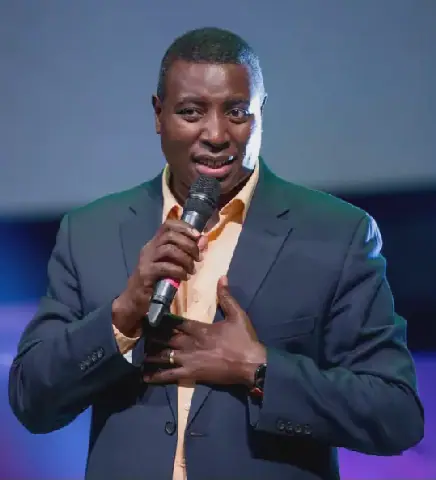
Since the 2021 local government elections, Nelson Mandela Bay has had five executive mayors and five coalition governments. The constant changes in political leadership have repeatedly altered the balance of power in council, creating uncertainty for politicians and the administration responsible for running the city. Political analyst Ongama Mtimka attributes the instability to competing political interests, stating that it is a result of narrow interests of individual politicians.
The political turbulence has coincided with growing concerns about the municipality's administrative capacity. In its 2024/25 audit outcomes, the Auditor-General found that Nelson Mandela Bay had the highest senior management vacancy rate of any metropolitan municipality in the country. The metro has also been warned that, without urgent action, service delivery and public trust could deteriorate. Mtimka argues that the problem is not confined to political leadership, but also the municipal administration's ability to maintain services and plan for the long term.
The impact of the instability can be seen in the condition of the city's infrastructure. The city's electricity function has been operating at a loss since 2018. Broken streetlights and traffic signals have become a familiar sight, while ageing and poorly maintained infrastructure points to gaps in the municipality's capacity for maintenance. Mtimka says the political turmoil has affected not only the delivery of services today but also the municipality's ability to maintain infrastructure over the medium and long term.
The municipality's financial position has added another layer to the crisis. In the 2024/25 financial year, the municipality underspent its budget, using only about R1.3 billion of its R1.8 billion capital budget. The Auditor-General also found that the metro took 189 days to pay its creditors. Billions of rands have been recorded in irregular, unauthorised, fruitless, and wasteful expenditure. Mtimka says the municipality's financial difficulties are partly structural, with unemployment weakening the revenue base and problems in municipal financial management compounding the pressure.
The financial pressure has also affected indigent households. The municipality reduced its monthly free electricity allocation from 75 kilowatt-hours to 50, while the free water allocation was reduced from 8 kilolitres to 6. Mtimka argues that municipalities receive national funding for indigent households but must properly maintain the databases that determine who qualifies. The numbers become more difficult to ignore when viewed through the experiences of people living in the metro's informal settlements.
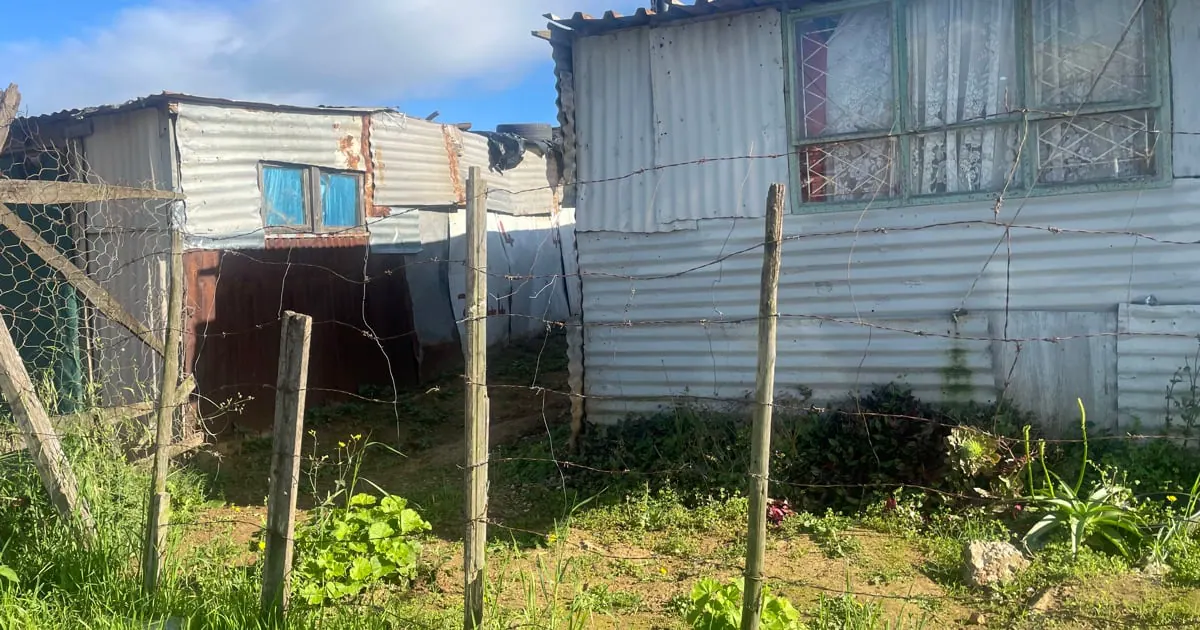
In Rosedale Phase 2 in Kariega, 80-year-old Kathy Redlinghuis has spent two decades waiting for formal housing. She has had little contact with her ward councillor and is forced to pay children to fetch water from a tap about 200 metres away. She has also used a mobile toilet for two decades, and when it rains, water enters her shack from the ground up and damages her belongings. The situation highlights the struggles faced by residents in the metro's informal settlements.
Key points
- The Nelson Mandela Bay Metropolitan Municipality has had five executive mayors and five coalition governments since the 2021 local government elections.
- The municipality's financial position has added another layer to the crisis, with billions of rands recorded in irregular, unauthorised, fruitless, and wasteful expenditure.
- The metro's infrastructure is deteriorating, with broken streetlights and potholes on poorly lit roads becoming increasingly familiar.