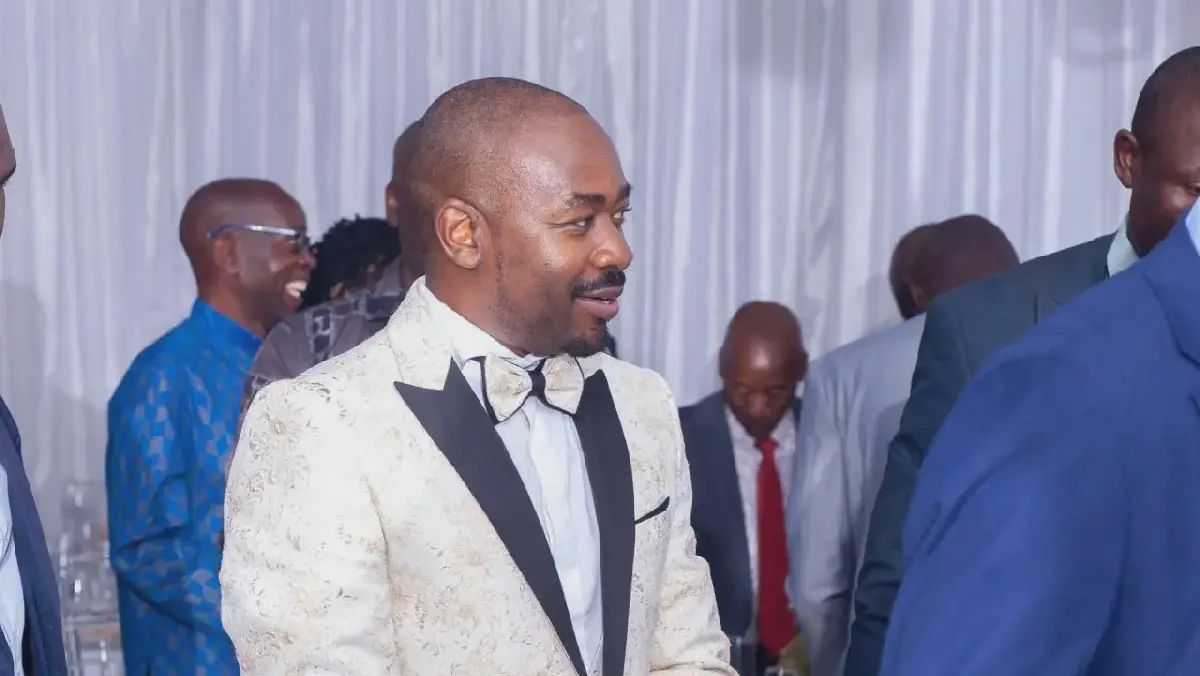
Nelson Chamisa, the former leader of the Citizens Coalition for Change (CCC), has been in a state of political limbo for over 1008 days. His departure from the CCC on January 25, 2024, was triggered by a systemic crisis, with allegations of state-backed recalls orchestrated by self-styled interim officials. Chamisa denounced the manipulation, declaring he would have "nothing to do with sewer pond politics" after the movement was "contaminated, bastardised, hijacked by ZANU PF."
Despite his promises of a new citizens' movement, Chamisa's prolonged absence has raised concerns over the country's opposition landscape. His boasts on social media that he was "back on the dance floor" have produced no visible national movement, no formal structure, and no tangible programme of action. This has left a power vacuum, which ZANU PF continues to exploit, consolidating its authoritarian grip on the country.
Critics argue that Chamisa's caution is understandable, given the rapid infiltration and destruction of the CCC. However, they also warn that prolonged hesitation can transform potential triumph into absolute paralysis. A leader who relies entirely on cryptic digital posts, motivational scripture, and vague promises of a coming moment risks converting genuine public goodwill into deep frustration.
The consequences of Chamisa's absence are far-reaching, with a severely demobilised public and an unchallenged, triumphant state. Zimbabwe requires far more than an inspiring individual tweeting from the sidelines; it demands an institutionalised political force. A modern nation cannot function democratically without a robust, structured opposition.
A shadow cabinet is a fundamental mechanism of democratic accountability, consisting of designated opposition leaders or specialists tasked with scrutinising specific government ministries and presenting viable alternative policies. Without such shadow structures and a sustained strategy for parliamentary and civic engagement, the executive branch operates with virtually no institutional checks.
As the political tide shifts, alliances dissolve, and the nation drifts into ruinous uncertainty, the fundamental question facing Zimbabwe's democratic struggle is how long a perceived political messiah can demand uncritical devotion without offering a credible timetable, an organisational vehicle, or a coherent strategy for power.
Deliberation must eventually yield action, and secrecy and tactical patience may safeguard a fledgling movement during its initial conception. However, an opposition project cannot survive indefinitely on private contemplation and personal vanity. Intention is not execution, and hints of a grand comeback cannot substitute for the gritty, complex work of recruiting cadres, establishing branch networks, and mobilising citizens.
Key points
- Nelson Chamisa has been away from the CCC for over 1008 days, sparking concerns over Zimbabwe's opposition landscape.
- Chamisa's prolonged absence has left a power vacuum, which ZANU PF continues to exploit.
- A robust, structured opposition is necessary for a modern nation to function democratically.