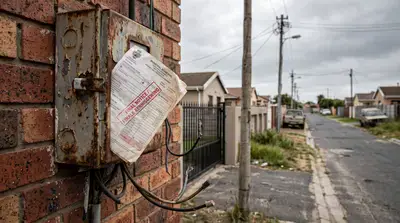
Buffalo City Metro is facing severe service delivery constraints as unpaid rates and service arrears surged to a staggering R11bn at the end of September. The ballooning municipal debt book increased by R1.6bn over the past year, driven predominantly by residential households, local businesses, and government departments. This significant increase in debt has raised concerns about the metro's ability to provide essential services to its residents.
According to the city's latest financial records, presented at a special council meeting recently by acting mayor Yomelela Tyali, domestic households represent the largest share of the debt, owing more than R8.8bn. Businesses owe R1.8bn, while state organs owe a combined R280m. The provincial public works department leads non-payment at over R176m, followed closely by national counterparts owing more than R32m.
The report reveals that more than R7.3bn of the total debt has been owed to the city for more than a year. Breakdown of the debt includes R2.7bn for rates, R1.7bn for electricity, R1bn for sewerage services, R1.4bn for refuse, more than R3.4bn for water services, and more than R458m owed by the city's sundry debtors.
Municipal staff and councillors were also among the culprits, with staff at the end of September owing more than R20m and councillors a little less than R170,000. A stop-order deduction is implemented for all municipal staff and councillors in arrears, with arrears liquidated over an acceptable period.
The city's debt collection rate stood at 75.7% at the end of September, up from 70.63% the previous month. The city's indigent consumers, separated from the household debt, are indebted to the city for more than R417m. The council approved a R1.2bn write-off of long-term accumulated interest to offer relief and curb bad debts.
The council also approved the write-off of qualifying municipal service charges debt older than 120 days, amounting to R11.3m, for qualifying places of worship. This move aims to provide financial relief to customers facing persistent economic hardship and recognize the important role these institutions play in supporting vulnerable communities.
City spokesperson Luzuko Buku emphasized that non-payment of municipal services has devastating effects on the city's cash flow and budget, negatively affecting its ability to deliver services. He appealed to consumers to pay their rates and taxes so that they continue to receive services and see the city develop and prosper.
Key points
- Buffalo City Metro's debt collection rate improved to 75.7% at the end of September.
- The city's debt book increased by R1.6bn over the past year.
- Domestic households owe the municipality more than R8.8bn in unpaid rates and services.