The Malian government's crisis management body, CECOGEC, announced on November 16, 2026, that 79,044 individuals who were forced back from Guinea have returned to Mali. This was made possible through 522 vehicles, including 421 trucks and 101 buses. The repatriation efforts have been ongoing following the crisis that started when Guinea banned illegal gold panning in the Siguiri region.
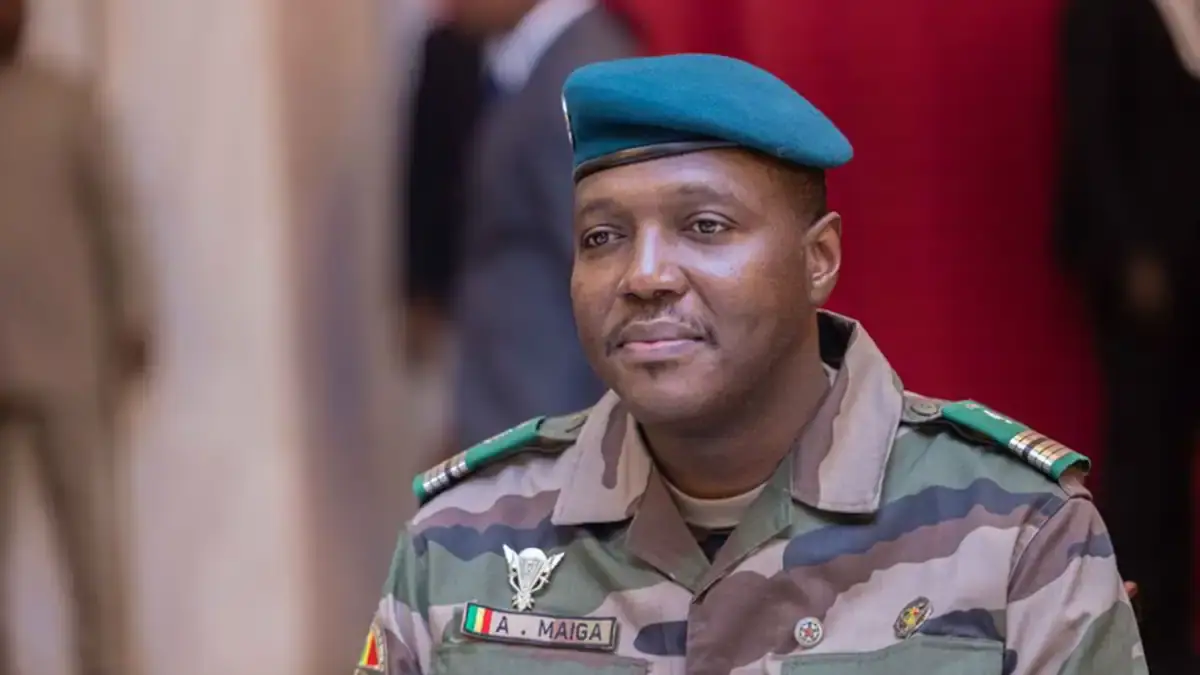
The crisis led to over 1,200 arrests, including Burkinabè, Malians, and other West African nationals, who were then transferred to Conakry. As the situation unfolded, the main gathering site in Bamako's district began to dismantle, and the site in Kouremalé now has only a few people left. The Malian Prime Minister, General Abdoulaye Maïga, emphasized the need for continuous consultation between Mali and Guinea during a visit to Kourémalé.
The Burkinabè Minister of Security, Mahamadou Sana, expressed regret over the expulsions, stating that it is regrettable given the brotherly relationship between the countries. Representatives from the Alliance of Sahel States (AES) also condemned the expulsions. According to CECOGEC, the health report indicates 3,388 medical consultations, 2,148 people treated, and 59 medical evacuations, with 13 fatalities reported.
On November 15, two new convoys were organized to aid in the repatriation efforts. One convoy, consisting of seven trucks, transported approximately 688 people from Kouremalé to Burkina Faso. The second convoy, made up of 11 trucks and five buses, moved around 2,335 people from Bamako's district. CECOGEC praised all involved parties for their commitment to managing the crisis.
The Malian government expressed deep condolences to the families of those who lost their lives and offered wishes for a speedy recovery to those affected. CECOGEC reaffirmed the government's determination to continue efforts until the operations are complete, showcasing solidarity, responsibility, and coordination. The situation highlights the complexities of regional relationships and the challenges of managing mass repatriations.
As the repatriation process continues, the focus remains on providing necessary support to those affected. The involvement of multiple parties, including government agencies and humanitarian organizations, has been crucial in addressing the crisis. The goal is to ensure a smooth transition and facilitate the reintegration of returnees into their communities.
The crisis serves as a reminder of the interconnectedness of regional issues and the importance of cooperation among neighboring countries. Ongoing efforts aim to stabilize the situation and prevent future occurrences. Key points include the significant number of people repatriated, the reported fatalities, and the continued commitment to managing the crisis effectively.
Key points
- 79,044 people refoulées de Guinée have been rapatriées to Mali.
- 13 décès ont été enregistrés during the repatriation process.
- Over 3,388 medical consultations have been conducted.
Reporting sources
- Mali : près de 80 000 personnes refoulées de Guinée déjà rapatriées, 13 décès enregistrés · lanouvelletribune.info