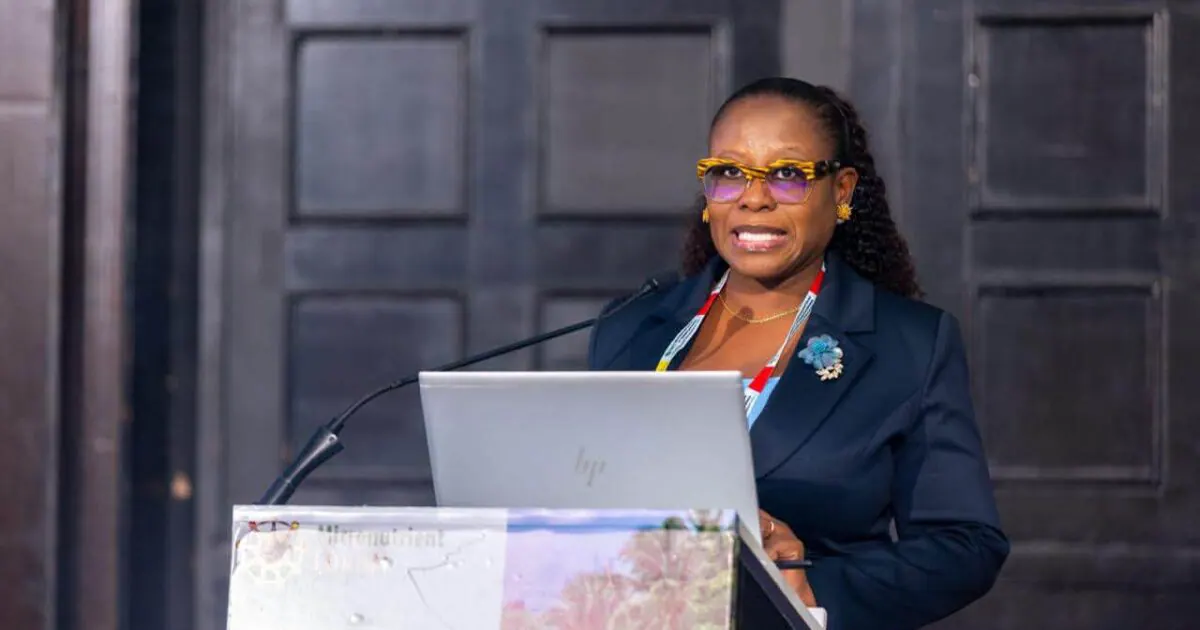
The Director-General of the National Development Planning Commission (NDPC), Dr. Audrey Smock Amoah, has emphasized the need for stronger planning, financing, implementation, and reporting mechanisms to translate Ghana's nutrition commitments into tangible results for women and children. She made this call at a breakfast meeting in Accra on October 1, 2026, as part of the Micronutrient Forum Global Conference. The meeting's theme was "From Commitment to Action: Government Leadership for Sustainable Nutrition in Ghana."
Dr. Amoah stressed that nutrition must be integrated across various stages of the development planning process, including planning, budgeting, implementation, and reporting. Although Ghana's national development planning framework provides a basis for integrating nutrition priorities into programs and budgets, she noted that greater attention must be paid to implementation and monitoring. This, she believes, will ensure that nutrition commitments are translated into measurable results.
The breakfast meeting, which was attended by various stakeholders, aimed to encourage government leadership and action on sustainable nutrition in Ghana. Dr. Amoah urged stakeholders to move beyond commitments and take concrete action, stating, "Whoever you are, the fact that you are in this room means that there is something we should be doing, and let us do it now." Her call to action resonated with participants, who recognize the importance of addressing nutrition challenges in Ghana.
Dr. Charity Binka, Executive Director of Women, Media and Change (WOMEC), also spoke at the meeting, emphasizing the need to treat nutrition as an investment in human capital and future development. She outlined a roadmap for moving from commitment to implementation, stating that priorities should be translated into five-year plans, and eventually, into measurable results. This approach, she believes, will help ensure that nutrition is given the attention it deserves.
The National Development Planning Commission (NDPC) has been working to mainstream nutrition into Ghana's development planning process. The Commission has recognized that nutrition is critical to human development and has been engaging with various stakeholders to ensure that nutrition priorities are integrated into national programs and budgets. This effort aims to address the persistent challenges of malnutrition in Ghana, which affects the health and well-being of women and children.
The Micronutrient Forum Global Conference, which took place in Accra, brought together experts and stakeholders to discuss critical issues related to nutrition and micronutrient deficiencies. The conference provided a platform for participants to share knowledge, experiences, and best practices in addressing nutrition challenges. The breakfast meeting on government leadership and nutrition was a key side event at the conference, highlighting the importance of government action in addressing nutrition challenges.
The NDPC's call for stronger financing, accountability, and implementation mechanisms to improve nutrition outcomes is timely, given the persistent challenges of malnutrition in Ghana. According to experts, addressing malnutrition requires a multi-sectoral approach that involves government, civil society, and the private sector. The NDPC's efforts to mainstream nutrition into Ghana's development planning process are expected to contribute to improved nutrition outcomes and human development in the country.
Key points
- Dr. Audrey Smock Amoah calls for stronger planning, financing, and implementation to achieve measurable nutrition results in Ghana.
- Nutrition must be integrated across various stages of the development planning process to ensure tangible results.
- Stakeholders are urged to move beyond commitments and take concrete action to address nutrition challenges in Ghana.