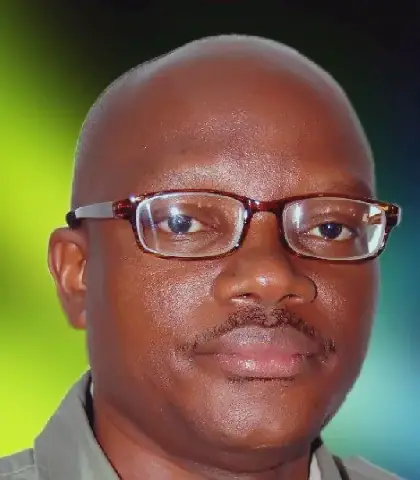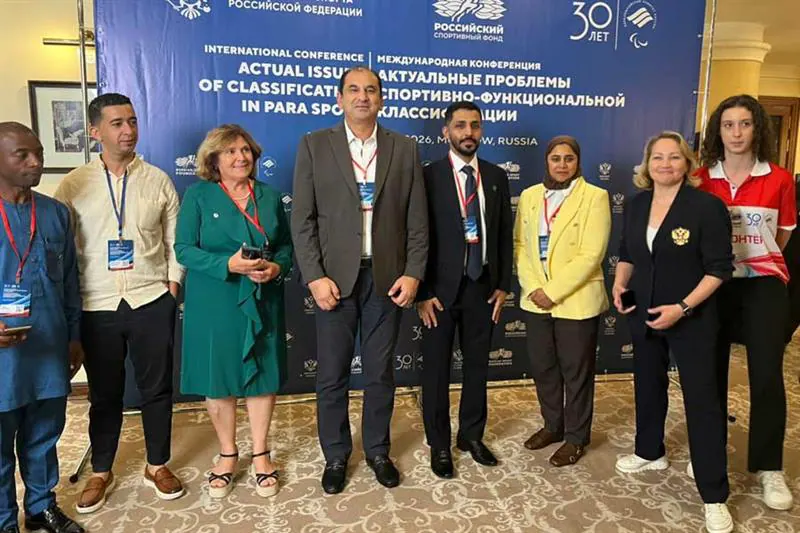
Egypt participated in an international conference in Moscow from 3 to 6 September, aimed at developing and advancing regional classification infrastructure for Para Sport athletes. The conference, hosted by the Russian Paralympic Committee, brought together members from international Paralympic committees, sports federations, and scientific institutions. Dr Khaled Samir, board member of the Egyptian Paralympic Committee, represented Egypt at the conference. The classification system is crucial in Para sports, grouping athletes according to the impact of their impairment on athletic performance.
The conference focused on the International Paralympic Committee's (IPC) 2025 classification code, developed after a three-year review of the 2015 version. The updated code enhances consistency, transparency, and scientific rigor by linking an athlete's sports class directly to how their specific impairment affects sport-specific performance. Delegates analyzed key aspects of the new code, including medical evaluations, functional physical assessments, and measures to prevent intentional misrepresentation. The code aims to ensure that athletic outcomes are determined by skill, fitness, and strategy rather than differences in impairment levels.
Delegates from developing Para Sport nations in the Arab and African regions identified critical operational challenges within the current global system. These challenges include a shortage of certified national classifiers, high travel costs associated with sending athletes abroad for international classification, and limited local training programmes. Dr Samir presented several proposals to establish regional classification infrastructure, including a plan to establish a regional classification centre in Egypt to conduct international classifications and provide localized training.
Dr Samir's proposals also included creating a secure, shared regional database of classified athletes compliant with international data-protection standards, expanding Arabic-language classification workshops, and partnering with Egyptian and other Arab universities to conduct research on Para Sports' classification. He emphasized that Egypt's goal is not merely to implement international classification standards but to lead their development across the Arab and African regions.
The conference highlighted the importance of developing homegrown classification expertise, allowing national sports bodies to identify talent early and place athletes in appropriate sport classes from the beginning of their careers. This approach can reduce reliance on foreign classification panels and ensure that athletes compete on a level playing field. Dr Samir outlined key recommendations to implement in Cairo, including developing an integrated national classification strategy and auditing the current workforce of certified Egyptian classifiers.
Following the conference, Egypt plans to launch national programmes to train new classifiers and maintain direct technical coordination with the IPC. The country will also conduct feasibility studies for establishing a regional classification centre on Egyptian soil. These efforts aim to eliminate the financial and logistical barriers that currently hold back Arab and African athletes and federations.
By establishing localized training, Arabic-language resources, and a regional classification hub, Egypt can take a leading role in Para Sports classification in the Arab and African regions. The country's efforts are expected to have a positive impact on the development of Para Sports in the region, enabling athletes to compete fairly and with dignity.
Key points
- Egypt aims to establish a regional classification centre to support Arab and African nations in Para Sports.
- The International Paralympic Committee's 2025 classification code enhances consistency and transparency in Para Sports.
- Egypt seeks to lead the development of Para Sports classification across the Arab and African regions.