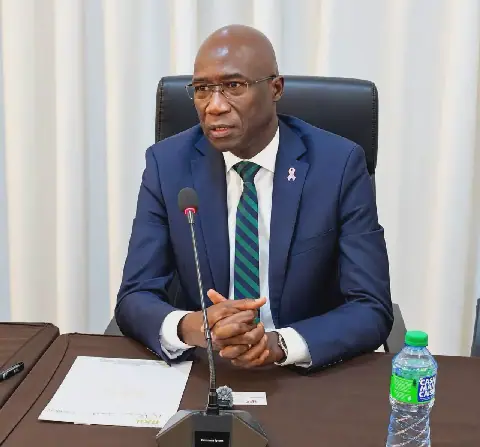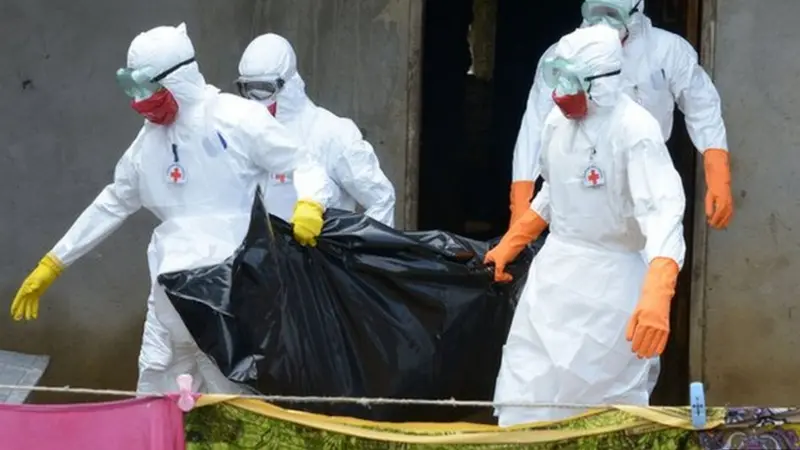
The Nigeria Centre for Disease Control and Prevention (NCDC) has warned Nigerians of the risk of Ebola being imported into the country after Kenya confirmed its first case of the disease. In a statement signed by its Director General, Jide Idris, the agency said there was no confirmed case of Ebola in Nigeria as of October 6. The NCDC is reviewing its preparedness following the confirmation of the case, which is linked to the ongoing Bundibugyo virus outbreak.
Kenya confirmed its first imported case of Ebola after a Kenyan citizen who had been living in the Democratic Republic of the Congo (DRC) travelled by road to Kampala, Uganda, before flying to Nairobi. The patient developed symptoms after arriving in Nairobi and was isolated. Samples tested positive for the Bundibugyo virus at Kenya's National Virology Reference Laboratory and the Kenya Medical Research Institute. The patient later died on October 5 despite receiving supportive care.
The NCDC said Kenya's case highlights the risk of the virus spreading across countries through international travel and population movement. Kenya became the fourth country to report a case linked to the current outbreak, following the DRC, Uganda, and France. The current outbreak was first reported in the DRC and is linked to the Bundibugyo virus, a species of Ebola virus.
According to the World Health Organisation (WHO), the DRC had recorded 7,890 confirmed cases and 3,799 deaths as of September 23. This represents a case fatality ratio of 48.1 per cent. The outbreak has affected 63 health zones across seven provinces, with WHO warning of increased risks of cross-border transmission.
The NCDC said Nigeria had already taken steps to strengthen its preparedness since the outbreak was first reported in the DRC. The agency is working with the Federal Ministry of Health and Social Welfare, Port Health Services, state governments, and other partners to improve the country's ability to detect and respond to a possible Ebola case.
The NCDC advised people travelling from affected areas to monitor their health for 21 days after leaving the affected area. The agency said anyone who develops symptoms should avoid unnecessary contact with other people and immediately contact public health authorities or visit a recognised health facility. It also advised affected travellers to clearly disclose their travel history and any possible exposure to Ebola.
The NCDC urged Nigerians to maintain good hand hygiene and avoid contact with the body fluids of sick or deceased persons. Health workers were also advised to maintain a high level of suspicion when treating patients with symptoms linked to Ebola, especially those who have travelled to or had contact with people from affected areas within the previous 21 days.
Key points
- The NCDC is reviewing its preparedness following Kenya's confirmation of its first Ebola case.
- The current Ebola outbreak in the DRC has recorded 7,890 confirmed cases and 3,799 deaths as of September 23.
- The NCDC advises people travelling from affected areas to monitor their health for 21 days after leaving the affected area.