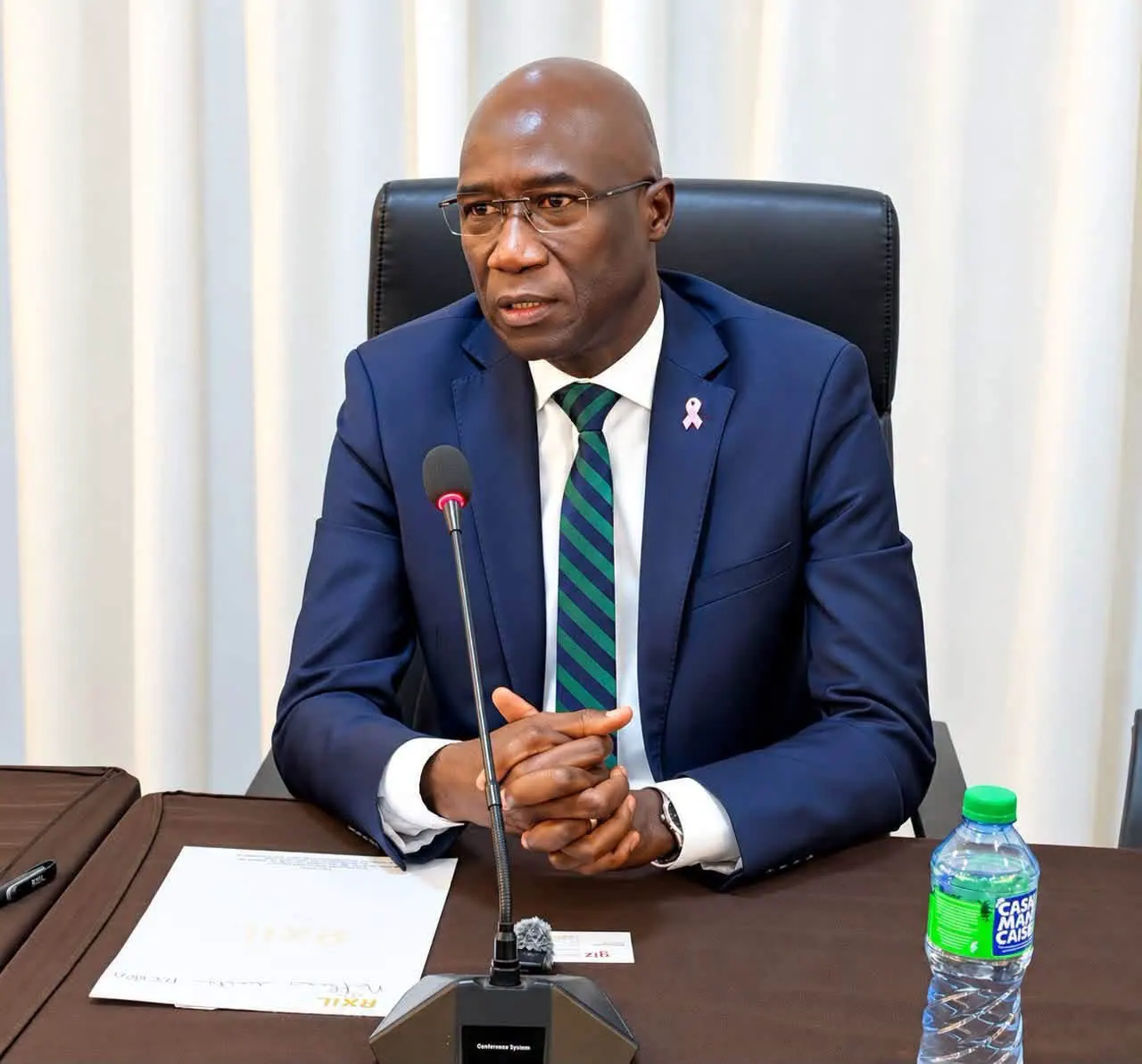
The Senegalese government has emphasized the need for a comprehensive approach to rehabilitate vulnerable youth, with a focus on providing them with a second chance at a stable life. According to the Minister of Justice, Me Moussa Sarr, rehabilitation is not a favor, but a right. The government's efforts aim to go beyond mere protection or punishment and instead provide young people with the tools to rebuild their lives, receive education, and find employment.
Every year, around 17,000 minors are placed under the care of Senegal's Direction générale de la Protection judiciaire et sociale. These young people often face fragile family, social, or economic situations, and their care requires a holistic approach that considers their judicial situation, educational needs, and professional goals. The government's challenge is to ensure that these young people can reintegrate into society smoothly after leaving institutional care.
The period after leaving institutional care is a critical phase in a young person's rehabilitation. Minister Me Moussa Sarr noted that while protection structures can provide education and training, many young people struggle to find employment or access resources after leaving these institutions. In 2025, over 412 young people successfully completed professional exams in various fields, demonstrating the potential for rehabilitation through vocational training.
To address the gap between training and employment, the Senegalese government established the Fonds de réinsertion des mineurs et jeunes majeurs en situation de vulnérabilité in 2024. This fund aims to provide support for young people transitioning from training to employment, including financing projects, providing access to accompaniment, and facilitating connections with businesses.
The success of this policy depends on collaboration between government agencies, businesses, and civil society organizations. The private sector can play a significant role by offering internships, apprenticeships, and employment opportunities. Public structures can facilitate access to accompaniment programs, while partners and civil society organizations can contribute to financing, monitoring, and social accompaniment.
The government's approach marks a shift towards a more comprehensive understanding of rehabilitation, focusing on supporting young people until they can build their own futures. Vocational training is seen as a crucial tool, but it must be accompanied by social and economic support. The goal is to prevent setbacks that may lead to a return to vulnerability or recidivism.
For these young people, having a profession and engaging in an activity is not just about earning an income; it's also about regaining a sense of purpose, restoring self-confidence, and reconnecting with life goals. The challenge for public authorities and their partners is to turn the concept of a "second chance" into a concrete reality that extends beyond leaving an institution and into employment, entrepreneurship, and autonomy.
Key points
- The Senegalese government has established a fund to support the rehabilitation of vulnerable youth, providing resources for education, training, and employment.
- Collaboration between government agencies, businesses, and civil society organizations is crucial to the success of the rehabilitation policy.
- The government aims to provide vulnerable youth with a second chance at a stable life through comprehensive rehabilitation programs.