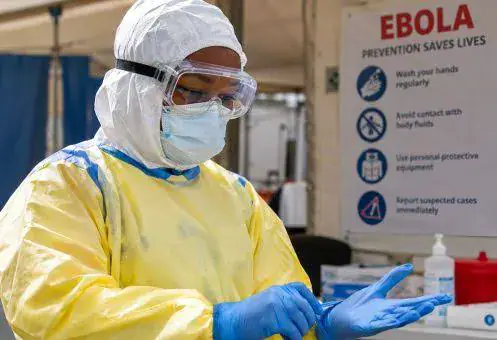
The Nigeria Centre for Disease Control and Prevention (NCDC) has initiated investigations into two suspected Ebola cases reported in Nigeria's North-East region. On October 31, 2026, the agency announced that it had isolated the two individuals and commenced laboratory investigations to determine whether they had contracted the disease. Health officials also started identifying and listing contacts to establish potential exposure to the suspected infections.
The suspected cases were reported in Yola, Adamawa State, with the initial report received on October 30, 2026. Medical personnel identified the two individuals exhibiting symptoms that required further investigation. The Adamawa State Public Health Emergency Operations Centre played a crucial role in responding to the situation, working closely with the NCDC to contain the potential outbreak.
On November 1, 2026, NCDC Director-General, Dr. Jide Idris, provided an update on the investigation, revealing that laboratory tests on samples collected from the two individuals returned negative results after two rounds of testing. Idris commended the Adamawa State Commissioner for Health and the response team for their prompt action in addressing the situation.
The NCDC emphasized that the negative results did not rule out the possibility of future cases, urging Nigerians to remain vigilant and avoid spreading unverified information. The agency advised individuals experiencing symptoms such as fever, severe weakness, headache, vomiting, diarrhea, or unexplained bleeding to seek medical attention, particularly if they had been exposed to potential risk factors.
This development comes amid heightened surveillance in Nigeria following the country's first confirmed imported case of the Bundibugyo strain of Ebola on October 20, 2026. The index patient, a woman who traveled from Uganda, received treatment in Abuja before being evacuated to Switzerland alongside her husband on October 26, 2026.
The NCDC maintains that the imported case remains Nigeria's only laboratory-confirmed Ebola infection. The agency continues to support the Adamawa State government in its public health response and urges the public to be aware of the risks and take necessary precautions to prevent the spread of the disease.
The NCDC's swift response to the suspected cases demonstrates the country's preparedness to address potential outbreaks. The agency's efforts to contain the situation and prevent the spread of the disease are ongoing, with a focus on ensuring the public's safety and well-being.
Key points
- The NCDC found negative results after testing two suspected Ebola cases in Nigeria's North-East region.
- The agency continues to support the Adamawa State government in its public health response.
- Nigeria has only one laboratory-confirmed Ebola infection, an imported case reported on October 20, 2026.