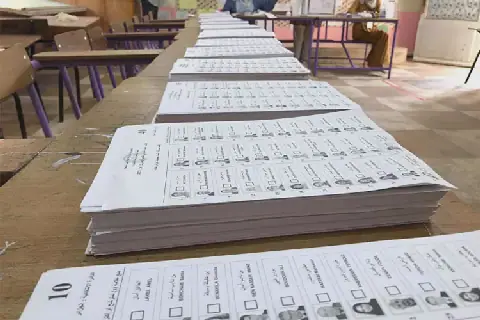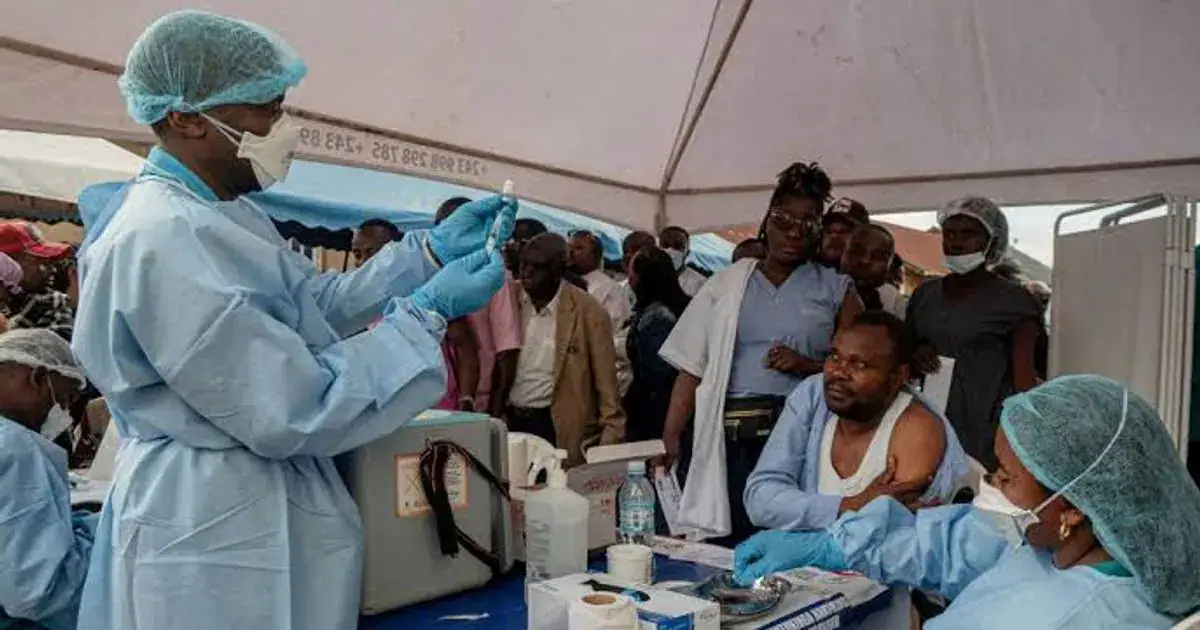
Nigeria's healthcare system is bracing for a potential Ebola outbreak, with the Director-General of the Nigeria Centre for Disease Control (NCDC), Jide Idris, warning that a widespread outbreak could impact the 2027 general elections. Although no postponement has been announced, Idris's statement has raised concerns about the country's preparedness to handle a major outbreak. The NCDC is working to contain the spread of the disease, but questions remain about the government's emergency funding and support for quarantined contacts.
The Nigerian government approved ₦10 billion for emergency preparedness in June, but its disbursement remains unclear. According to a statement by the All Progressives Congress Presidential Campaign Council, the fund had not been disbursed, citing that agencies, including the NCDC, had used other available resources. However, the council provided no financial records to support its claim. The lack of transparency has raised concerns about the government's ability to respond to a major outbreak.
On October 20, Nigeria confirmed its first case of the Bundibugyo strain of Ebola, which was detected in a 42-year-old patient who had returned from Uganda. The patient was evacuated to Switzerland on October 26, where she is receiving treatment. Health Minister Muhammad Ali Pate said Nigerian doctors had stabilized her before the transfer. The swift response has been commended, but questions remain about the government's preparedness to handle a larger outbreak.
The NCDC has announced ₦100,000 per week for people quarantined after possible exposure to Ebola. The payment is intended to ease financial pressure on individuals unable to attend to their businesses and families. However, concerns have been raised about the eligibility criteria, funding, and payment verification process. The government's cash-transfer program has faced criticism in the past, with concerns about accountability and transparency.
The ₦100,000 weekly Ebola allowance raises questions about the government's ability to track and verify payments. In September, APC Chairman Nentawe Yilwatda claimed that over 10 million Nigerians had received ₦75,000 each, despite lacking phones or access to social media. The claim was met with skepticism, with concerns about audit concerns and evidence that beneficiaries actually received earlier transfers.
Supporting people in quarantine is crucial, but the government must demonstrate that the money reaches those who need it. The NCDC is working to monitor contacts and contain the spread of the disease, but the government must address concerns about transparency and accountability. As of October 27, Nigeria had no known active Ebola case, but health authorities continue to monitor contacts.
The possibility of postponing the 2027 general election due to a widespread Ebola outbreak is a scenario that has been raised, but it is not an announcement that the polls will be postponed. Idris stressed that there was currently no need for a postponement. The government must continue to work to contain the spread of the disease and address concerns about emergency funding and support for quarantined contacts.
Key points
- NCDC Director-General Jide Idris warns that a widespread Ebola outbreak could impact Nigeria's 2027 general elections.
- The Nigerian government approved ₦10 billion for emergency preparedness in June, but its disbursement remains unclear.
- The NCDC has announced ₦100,000 per week for people quarantined after possible exposure to Ebola, but concerns have been raised about eligibility criteria, funding, and payment verification.