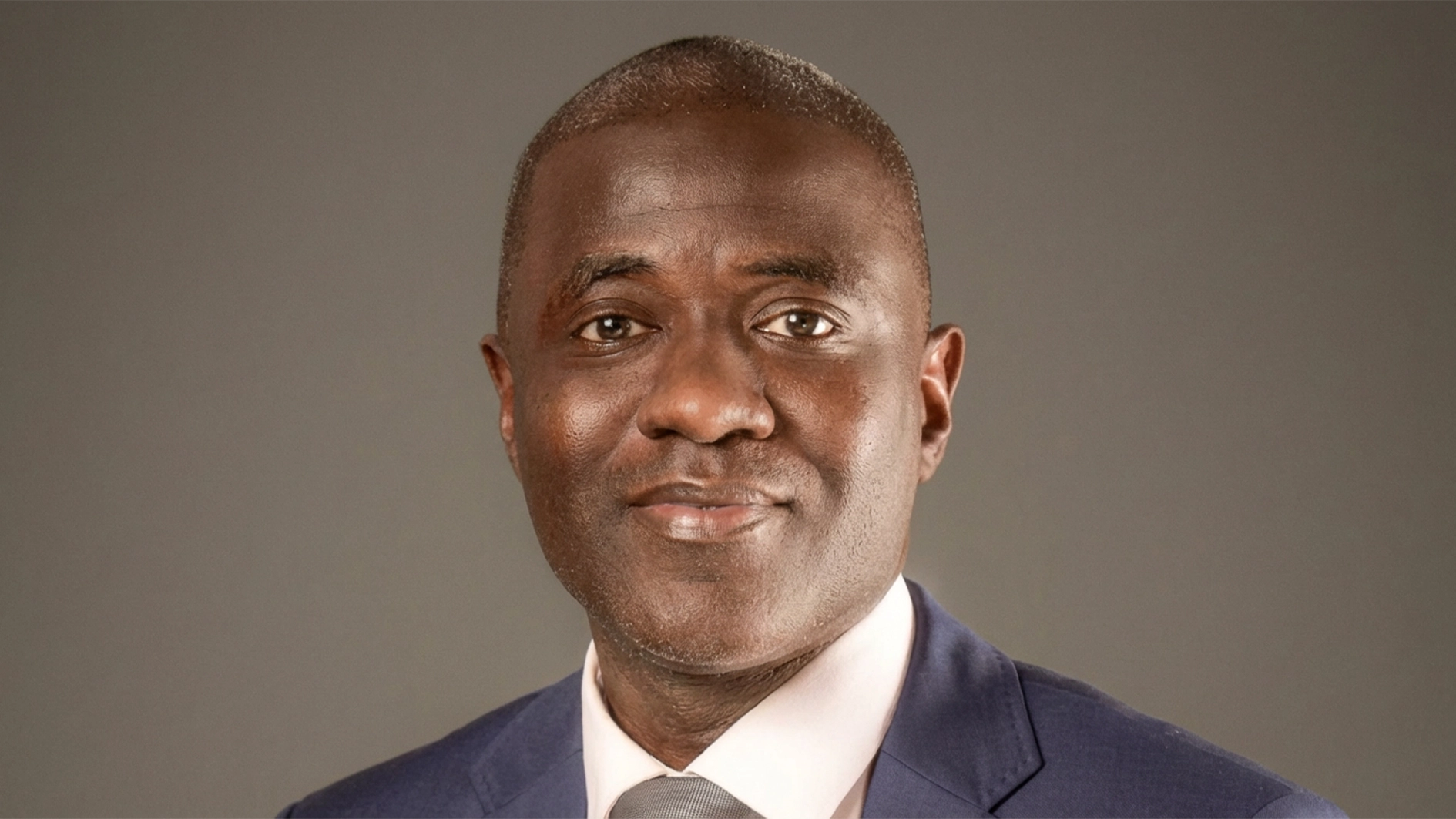
The Nigerian Communications Commission (NCC) has urged investors to have confidence in the country's digital infrastructure development. The Executive Vice Chairman of the NCC, Dr Aminu Maida, made the call at the Nigeria Digital Connectivity Investment Forum, emphasizing the need for predictable policies and regulatory clarity to attract long-term capital into the sector. Maida stated that investors want certainty and clarity in government, and that the NCC's role is to facilitate discussions that encourage investors to bring in capital to close the infrastructure gap.
According to Maida, Nigeria's ambition to grow its economy to about $1 trillion requires infrastructure capable of supporting increased economic activity, digital services, and emerging technologies. The NCC boss pointed to rising data consumption as evidence of the growing demand being placed on the country's digital infrastructure. Data consumption reached about 1.66 million terabytes in July, compared with 1.13 million terabytes recorded in the corresponding period last year.
The NCC is pursuing regulatory measures to improve the environment for infrastructure deployment, including efforts around fibre development and infrastructure sharing. Maida noted that engagements with stakeholders are continuing to reduce barriers to deployment and improve the protection of telecommunications infrastructure. However, repeated fibre cuts and other forms of damage to telecoms infrastructure have disrupted services in different parts of the country, increasing the cost and complexity of maintaining network availability.
Maida emphasized that the government cannot bridge the infrastructure gap through regulation alone, stressing the importance of private capital in expanding connectivity. He noted that the opportunity is significant, but investors need to have confidence that the rules are clear, and the regulatory environment is predictable. The forum provided a platform for investors to engage policymakers directly on the conditions required to unlock capital for digital infrastructure projects.
The Swedish Ambassador to Nigeria, Anna Westerholm, described digital connectivity as an important foundation for economic development, noting that gaps in access still require sustained investment. Westerholm said Sweden sees strong opportunities for deeper commercial and technology partnerships with Nigeria, particularly where innovation and private investment can help expand access to digital services.
The Minister of Communications, Innovation and Digital Economy, Dr Bosun Tijani, emphasized that Nigeria's digital transformation requires closer alignment between infrastructure, policy, innovation, entrepreneurship, and capital. Tijani noted that the government cannot provide all the infrastructure required to meet the country's rapidly growing digital needs, making private-sector participation critical. Public-private partnerships will be particularly important in extending connectivity to underserved areas and creating sustainable investment opportunities.
The two-day forum brought together government officials, investors, development institutions, technology companies, and other industry stakeholders to examine investment opportunities, financing models, regulatory conditions, and partnerships for expanding digital connectivity. The discussions focused on how Nigeria can mobilize more private capital to develop the infrastructure required to support its growing digital economy.
Key points
- The Nigerian Communications Commission is seeking stronger investor confidence to address the country's digital infrastructure gap.
- The country's digital infrastructure development requires predictable policies and regulatory clarity to attract long-term capital.
- Public-private partnerships are crucial in extending connectivity to underserved areas and creating sustainable investment opportunities.