Namibia Breweries Limited (NBL) has reported a 21% decline in operating profit to N$221.8 million for the six months ended 30 June 2026. This decrease is primarily attributed to lower export volumes to South Africa and costs associated with reorganising the business. The company's operating profit fell from N$279.3 million in the corresponding period last year.
NBL's profit before tax declined 22.1% to N$206.3 million from N$264.7 million, while profit attributable to owners of the parent decreased to N$153.8 million from N$198.9 million. Headline earnings per share fell 24.3% to 74 cents from 97.8 cents. The company's net revenue declined 3.9% to N$2.023 billion from N$2.104 billion, primarily due to the reduction in export volumes.
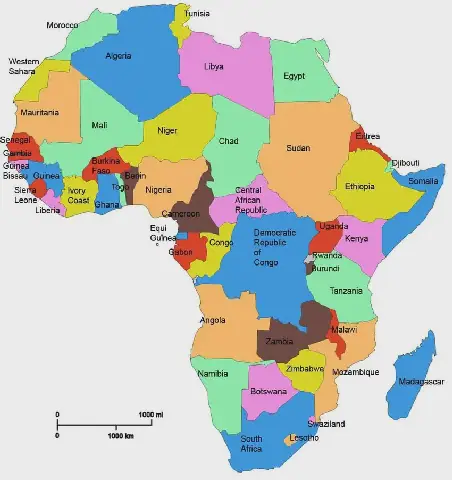
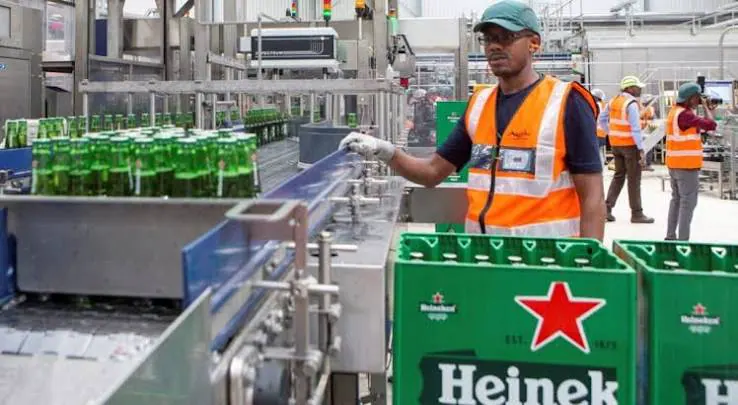
The decline in export volumes to South Africa is a significant factor in NBL's financial performance. The company stated that its results reflected two different dynamics during the period, with resilient domestic performance offset by a structurally lower base of exports to South Africa. The minimum-volume supply commitment with Heineken Beverages South Africa formally ended in April 2026, and the relationship now operates under a standard, forecast-based intercompany supply model.
NBL also faced pressure from a 3.39% increase in excise duties on alcoholic beverages, effective from 25 February 2026. Despite this, the company's multi-category portfolio helped cushion the business against category-specific declines. Beer volumes in Namibia fell 3%, while cider volumes increased 15%. The growth in ciders, low- and no-alcohol products, and the newly added energy drink category helped offset declines in beer and wine.
The company's cider range expanded with the launch of Bernini Mimosa, and Windhoek Non-Alcoholic Lemon supported growth in the non-alcoholic range. Wine volumes declined in Namibia, while spirits volumes were broadly unchanged. The new Red Bull distribution agreement contributed positively to both volume and revenue. NBL gained total portfolio market share in the domestic market despite continued affordability pressures on consumers.
Looking ahead, NBL expects cost normalisation to support an improved cost trajectory in the second half of the financial year. The board declared an interim dividend of 74.45 cents per share, compared with 96.29 cents declared for the corresponding period in 2025. The company's last day to trade cum dividend is 9 October 2026, with the shares trading ex-dividend from 12 October.
The record date for the dividend is 16 October, and the dividend will be paid on 12 November 2026. NBL's financial performance was impacted by various factors, including lower export volumes and increased costs. However, the company's diversified portfolio and growth in certain categories helped mitigate the decline. The company's management expects improved performance in the second half of the financial year.
Key points
- NBL's operating profit declined 21% to N$221.8 million due to lower export volumes to South Africa and business reorganisation costs.
- The company's net revenue declined 3.9% to N$2.023 billion, primarily due to the reduction in export volumes.
- NBL expects cost normalisation to support an improved cost trajectory in the second half of the financial year.