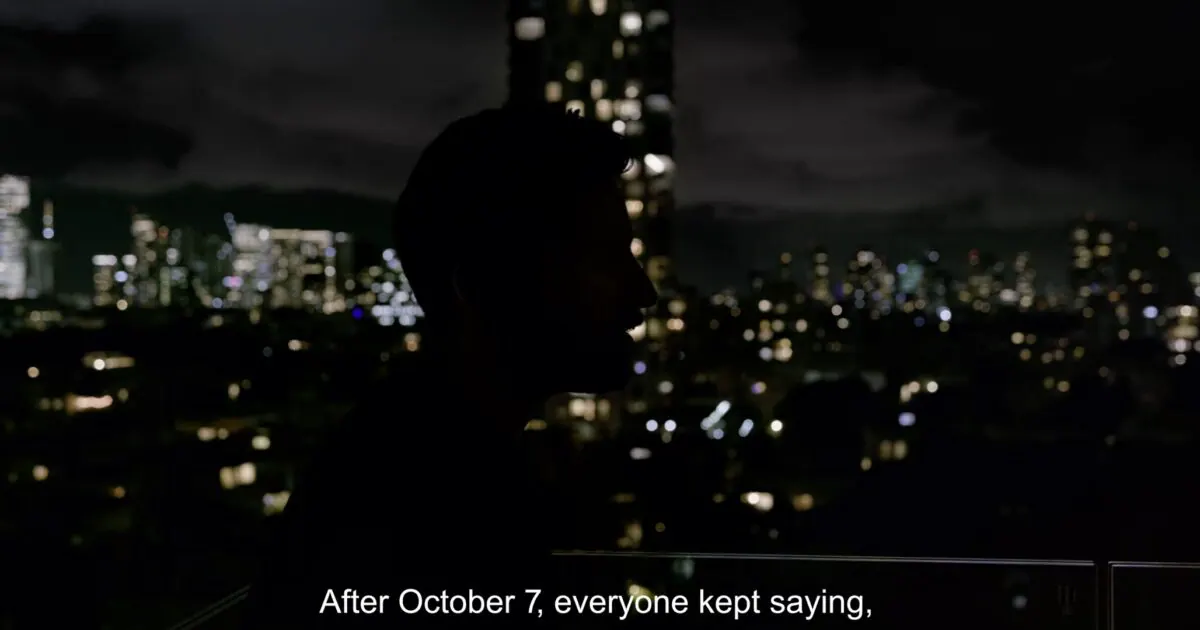
A recent documentary titled NAZA has sparked intense debate and criticism over its allegations against the Israeli military. The film, backed by the British publication The Guardian, features testimony from 24 Israeli Defense Forces (IDF) soldiers who claim to have served in the elite intelligence unit 8200. They allege that a planned strike resulting in 500 civilian deaths was approved. However, the IDF has strongly refuted these claims, calling the documentary "pure propaganda" created by radicals.
The documentary's release has drawn widespread attention, with many outlets reporting on its claims without thoroughly verifying their accuracy. The IDF has denied using artificial intelligence to determine targets and has stated that it would never approve an operational plan anticipating 500 civilian deaths. The Israeli Ministry of Foreign Affairs has accused the filmmakers of employing a familiar method of introducing falsehoods, amplifying them globally, and allowing them to shape public opinion.
One of the key claims made by the documentary is that the IDF allows AI systems to make operational decisions independently of human judgment. However, the IDF has stated that operational decisions are made within a defined human chain of command and are subject to human judgment and oversight. The IDF has developed procedures to prevent and mitigate harm to non-combatants, including methods such as roof knocking, dropping pamphlets, and making phone calls in Arabic.
A soldier who participated in the documentary has come forward, alleging that he was manipulated and that casualty figures were exaggerated for financial gain. He claims that interviewees were offered 10 shekels for every additional person they claimed was killed, leading to increasingly higher figures. The soldier's allegations raise questions about the credibility of the documentary and its claims.
The filmmakers behind NAZA have been accused of having a radical anti-Israeli agenda, with the Ministry of Foreign Affairs stating that they are committed to demonizing and delegitimizing Israel. The film's co-director, Yuval Abraham, has a history of anti-Israeli activism, and his lack of neutrality has been questioned. The documentary's omission of Hamas's role in the conflict has also been criticized.
The Israeli government is considering punitive measures against the filmmakers, and the film has united Israelis in anger. The controversy surrounding NAZA has sparked a wider debate about the role of documentary filmmaking in shaping public opinion and the importance of verifying information.
The documentary's impact has been significant, with many outlets reporting on its claims. However, its credibility has been questioned, and the IDF's response has highlighted the need for careful consideration of the facts. The controversy surrounding NAZA is likely to continue, with many questioning the motivations and methods of the filmmakers.
Key points
- The IDF has refuted the claims made in the documentary, calling them "pure propaganda" created by radicals.
- The documentary's credibility has been questioned due to allegations of manipulation and exaggeration.
- The controversy surrounding NAZA has sparked a wider debate about the role of documentary filmmaking in shaping public opinion.