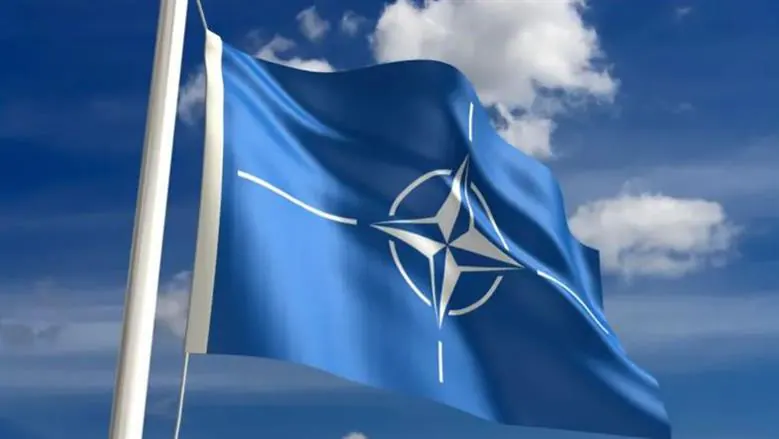
Russia, which has the largest number of nuclear warheads in the world, has threatened to use its nuclear arsenal against NATO and Ukraine if the alliance attempts to isolate the city of Kaliningrad. According to a Reuters report, Russia stated in a document that it would target decision-making centers in NATO member countries in the event of a conflict. The city of Kaliningrad, located on the Baltic Sea, is a strategic location surrounded by Poland, Lithuania, and the Baltic Sea, and is home to a diverse population of Russians, Belarusians, and Ukrainians.
The city of Kaliningrad has a complex history, having been a German city known as Königsberg before World War II. After the war, the city was annexed by the Soviet Union and renamed Kaliningrad in honor of Mikhail Kalinin, a former Soviet president. The city's German population was forcibly relocated, and it has since been a part of Russia. Kaliningrad's strategic location has made it a point of contention between Russia and NATO, with Russia viewing the city as a crucial military outpost.
In response to Russia's nuclear threats, NATO Secretary-General Mark Rutte emphasized that the alliance's purpose is defensive and called on Russia to refrain from making nuclear threats. Rutte's statement was a direct response to Russia's warning, which was seen as a provocative move by many in the international community. The incident has raised concerns about the potential for a nuclear conflict in Europe and has sparked calls for increased diplomacy and dialogue between Russia and NATO.
The United Nations has also weighed in on the issue, with Secretary-General António Guterres expressing deep concern about the end of the New Strategic Arms Reduction Treaty (START). Guterres called on Russia and the United States to coordinate their efforts to prevent the use of nuclear weapons and to work towards renewing the treaty. The treaty, which was signed in 2010, was designed to reduce the number of strategic nuclear warheads in both countries.
The current tensions between Russia and NATO have raised concerns about the potential for a wider conflict in Europe. Russia's actions in Ukraine have been a source of tension for several years, and the threat of nuclear war has added a new level of urgency to the situation. Diplomatic efforts are underway to reduce tensions and prevent a conflict, but the situation remains volatile.
According to the Union of Concerned Scientists, Russia has 550 nuclear warheads, the largest number in the world. The country's nuclear arsenal is a significant concern for NATO and the international community, and efforts are being made to reduce the risk of nuclear conflict. The situation is being closely monitored by governments and international organizations around the world.
The international community is watching the situation closely, with many countries calling for calm and restraint. The threat of nuclear war is a serious concern, and efforts are being made to prevent a conflict. The situation remains complex and volatile, with many different factors at play.
Key points
- Russia has threatened to use nuclear weapons against NATO and Ukraine if the alliance tries to isolate the city of Kaliningrad.
- NATO has responded to Russia's threats, emphasizing that the alliance's purpose is defensive and calling on Russia to refrain from making nuclear threats.
- The United Nations has expressed concern about the end of the New Strategic Arms Reduction Treaty and called on Russia and the United States to coordinate their efforts to prevent the use of nuclear weapons.