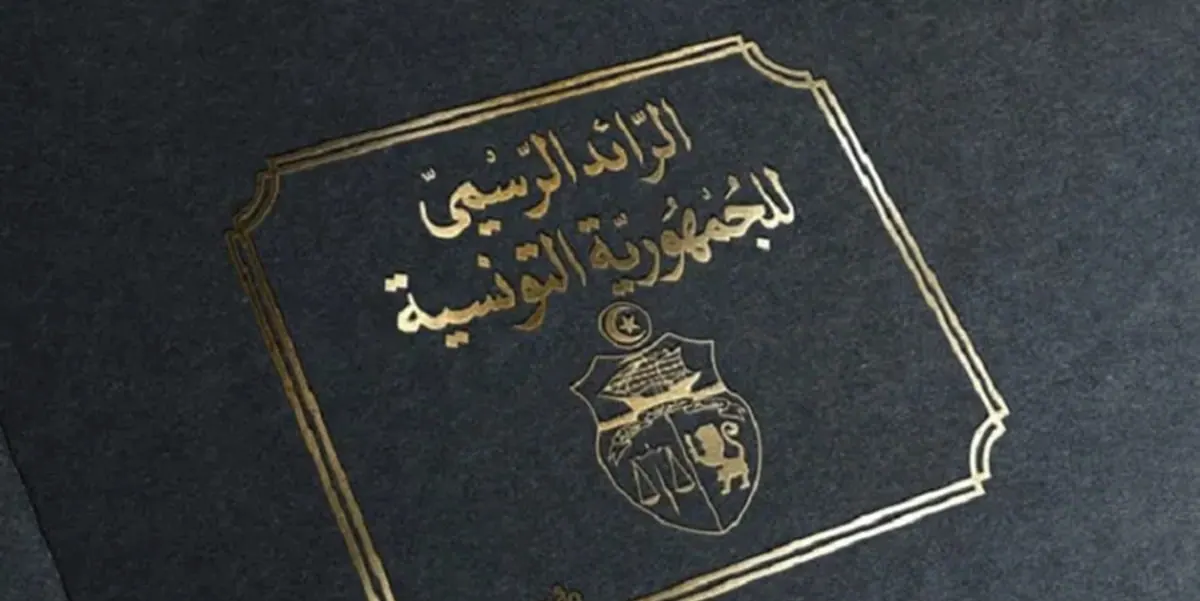
The Tunisian government has published a revised version of Decree 54, which has been criticized by international organizations for its impact on freedom of expression. The modification, published in the Official Journal on September 30, removes the prison sentence for first-time offenders and replaces it with a fine of 10,000 to 20,000 dinars. This change has been welcomed by some organizations, but others argue that it does not go far enough in addressing concerns about the law.
The revised decree, which was adopted in September 2022, has been the subject of criticism from international organizations, including Reporters Without Borders (RSF). While RSF has welcomed the changes, describing them as "a step in the right direction," the organization believes that the revisions do not fully address concerns about the law's impact on freedom of expression. RSF's regional director for North Africa, Oussama Bouagila, has stated that the organization takes note of the removal of the five-year prison sentence, which it had denounced since the decree's adoption.
The changes to Decree 54 have been reported by international news agencies, including Reuters, which has highlighted the significance of the revisions. According to Reuters, the changes represent a rare shift in policy by President Kais Saied since 2021, and come amid growing criticism of Tunisia's human rights record. The agency notes that the decree has been used to prosecute journalists and critics, and that the revisions do not fully address concerns about the law's impact on freedom of expression.
Al Jazeera has also reported on the revisions, noting that while they modify the sanctions regime, they do not respond to demands for a complete repeal of the decree. The Qatari news agency cites its correspondent in Tunisia, Lotfi Hajji, who reports that the changes have been met with caution by journalists and critics. The debate over Decree 54 is ongoing, with many arguing that it remains a threat to freedom of expression in Tunisia.
The revisions to Decree 54 have been seen as a significant development in Tunisia, where the government has faced criticism for its human rights record. While some organizations have welcomed the changes, others argue that they do not go far enough in addressing concerns about the law. The international community continues to monitor the situation, with many calling for further reforms to ensure that Tunisia's laws and policies are consistent with international standards on human rights and freedom of expression.
In cases of recidivism, the revised decree provides for six months of imprisonment and a fine of 50,000 dinars. The penalties are doubled when the person targeted is a public official or equivalent. The decree has been defended by the Tunisian authorities as an instrument for combating cybercrime, false information, and attacks on individuals and public order. However, critics argue that it has been used to silence critics and restrict freedom of expression.
The modifications to Decree 54 have sparked a mixed reaction, with some hailing the changes as a positive step and others expressing disappointment that they do not go further. As the debate over the decree continues, it remains to be seen how the revisions will be implemented and what impact they will have on freedom of expression in Tunisia.
Key points
- The revisions to Decree 54 remove the prison sentence for first-time offenders and replace it with a fine of 10,000 to 20,000 dinars.
- International organizations, including RSF, have welcomed the changes but argue that they do not go far enough in addressing concerns about the law.
- The decree has been criticized for its impact on freedom of expression in Tunisia, with many arguing that it remains a threat to journalists and critics.