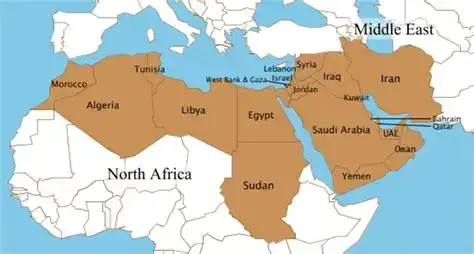
The Eastern Mediterranean Region, as defined by the World Health Organization, faces numerous complex emergencies, including protracted conflicts, population displacement, and environmental hazards. These challenges have resulted in 14 WHO-graded emergencies and 44 active disease outbreaks across 17 member states. The region's health systems have been under pressure, with insecurity, infrastructure and supply chain issues, workforce shortages, and attacks on healthcare hindering daily operations.
The World Health Organization's Eastern Mediterranean Region has been responding to multiple health crises, with national public health institutes playing a critical role in addressing these emergencies. In 2022, the WHO Regional Committee for the Eastern Mediterranean endorsed an action agenda to build resilient health systems through seven priorities for advancing Universal Health Coverage and health security. Strengthening national public health institutes is a central element of this agenda.
National public health institutes in the Eastern Mediterranean Region have been instrumental in responding to the COVID-19 pandemic. During the pandemic, 13 institutions in 11 member states and territories contributed to surveillance, data management, laboratory systems, research, risk communication, and policy advice. These institutes had to adapt rapidly, assume additional responsibilities, and deliver essential functions with limited resources.
The COVID-19 pandemic highlighted the importance of strong, permanent institutions capable of preventing, detecting, and responding rapidly to diverse threats. The pandemic also exposed structural weaknesses at national and global levels, prompting renewed consideration of the role of national public health institutes in national health security. Lessons from the pandemic have informed key strategic frameworks to drive health security reforms globally.
Effective and timely emergency response depends on clearly defined roles, stable operational arrangements, and coordinated multisectoral approaches that move beyond reactive crisis management towards sustainable national readiness. National public health institutes are central to delivering these interconnected functions at the national level. They are well-placed to integrate preparedness, surveillance, emergency management, community engagement, and evidence-to-policy processes.
The World Health Organization is working with national and international partners, including the International Association of National Public Health Institutes, to strengthen resilient health systems across the Eastern Mediterranean Region. This includes strengthening and resourcing national public health institutes to enable them to lead within their respective national frameworks. This effort aims to ensure that future public health threats are addressed rapidly through context-specific strategies grounded in evidence and local priorities.
Strengthening national public health institutes and enabling them to lead within their respective national frameworks is critical to ensuring that future public health threats are addressed rapidly. The World Health Organization and its partners are working to support this effort, which is particularly challenging in the Eastern Mediterranean Region due to conflict, fragmented governance, chronic workforce shortages, and resource constraints.
Key points
- National public health institutes played a critical role in responding to the COVID-19 pandemic in the Eastern Mediterranean Region.
- The World Health Organization is working with partners to strengthen resilient health systems across the Eastern Mediterranean Region.
- Strengthening national public health institutes is essential for addressing future public health threats in the region.
Reporting sources
- How National health institutes can address health emergencies in the Eastern Mediterranean Region · The Tanzania Times – News from Tanzania, Africa, World, Breaking News, Weather, Environment and Climate Change