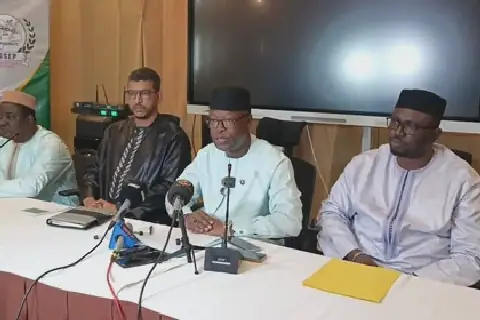
The National Assembly of Nigeria is set to embark on a significant initiative to deepen the digitization of parliamentary records. This involves translating Nigerian laws into Igbo, Hausa, Yoruba, and other indigenous languages. The goal is to improve public access to legislative information, making it easier for citizens to understand and engage with the laws that affect their daily lives. This move is expected to broaden access to parliamentary information and promote a better understanding of legislation.
The Executive Secretary of the National Assembly Library Trust Fund, Henry Nwawuba, announced this development on Monday in Abuja. He was speaking at the opening of the 2026 National Assembly Library Week, themed “Parliamentary Memory: Connecting Records, Legislation and the People.” The three-day program aims to promote legislative research, access to information, and the effective use of the National Assembly Library’s resources. Nwawuba emphasized the library's role as the legislature’s knowledge infrastructure and a repository of parliamentary records.
The National Assembly Library is described as a critical repository of parliamentary records, including Order Papers, Votes and Proceedings, committee reports, and Acts passed by the National Assembly. To enhance access to these records, the Trust Fund is investing in electronic repositories and upgrading the library’s E-Library. Additionally, a mobile application is being developed to make legislative information more accessible to lawmakers, staff, researchers, and members of the public. This initiative aims to bridge the gap between the legislature and the public.
Further enhancing public engagement, the library plans to introduce a Bills Tracker. This tool will allow users to monitor bills and follow their progress through the legislative process. The library is also developing infographics, audiovisual materials, and video explainers to simplify bills, Acts, and legislative procedures. These resources are designed to make complex legislative information more understandable and accessible to a wider audience. By doing so, the library seeks to foster greater public participation in the legislative process.
The translation of laws into indigenous languages is a significant aspect of this initiative. According to Nwawuba, this will enable more Nigerians to understand legislation affecting their daily lives. It is an effort to promote inclusivity and ensure that parliamentary information is accessible to all citizens, regardless of their language proficiency. This move is expected to enhance public engagement with the legislative process and promote a more informed citizenry.
The importance of preserving legislative records for future generations was stressed by various stakeholders. Senate President Godswill Akpabio, represented by Senator Osita Ngwu, urged lawmakers to make greater use of the library. He emphasized the need for accurate information, particularly in the face of increasing misinformation and disinformation. Similarly, Speaker of the House of Representatives Abbas Tajudeen, represented by Julius Ihonvbere, highlighted the significance of preserving legislative records.
However, the digitization of parliamentary records also presents challenges, including the risk of cyberattacks, manipulation, and impersonation. The Clerk to the National Assembly, Kamoru Ogunlana, emphasized the need for stronger cybersecurity, digital preservation, and authentication systems. He noted that the National Assembly Library must evolve into an institution where parliamentary knowledge is preserved, authenticated, and made accessible to a wide range of stakeholders, including lawmakers, researchers, journalists, and the public.
Key points
- The National Assembly will translate laws into Igbo, Hausa, Yoruba, and other indigenous languages.
- A mobile application and Bills Tracker are being developed to enhance access to legislative information.
- The initiative aims to promote public engagement and understanding of legislation.