The National Assembly of Nigeria has initiated a comprehensive digital overhaul of its legislative records. This move aims to enhance access to parliamentary information and preserve the country's democratic memory. The initiative includes expanding electronic repositories and developing digital platforms for legislative information. Plans are underway to make Nigerian laws available in Hausa, Yoruba, Igbo, and other local languages.
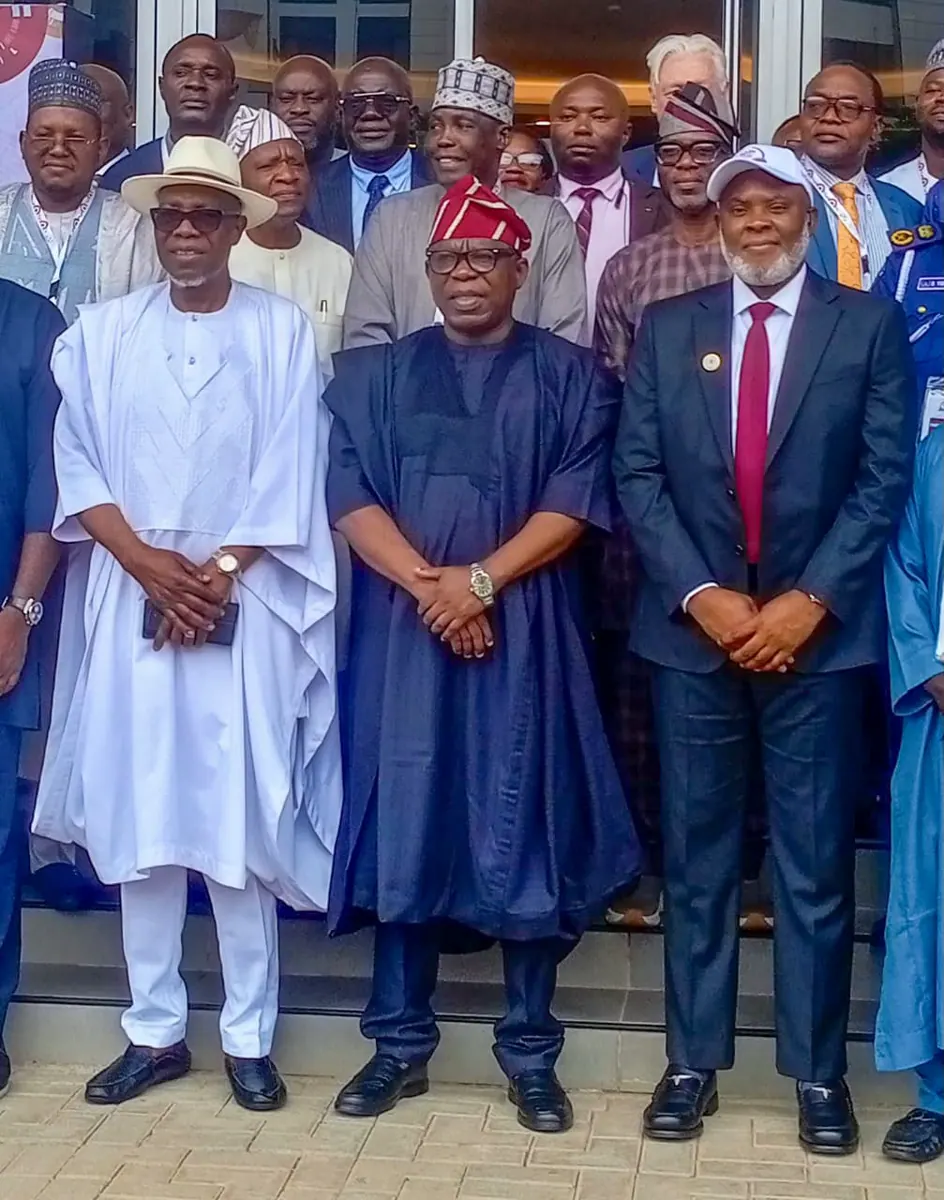
The Executive Secretary of the National Assembly Library Trust Fund, Henry Nwawuba, announced this development during the 2026 National Assembly Library Week. The event, themed "Parliamentary Memory: Connecting Records, Legislation and the People," took place in Abuja. Nwawuba emphasized that the library serves as the knowledge infrastructure of the legislature and a repository of parliamentary records.
The National Assembly Library is working to ensure lawmakers, legislative aides, researchers, and stakeholders have access to authoritative parliamentary records. These records include Order Papers, Votes and Proceedings, committee reports, Acts passed by the National Assembly, gazetted laws, and oversight manuals. The library is investing in electronic repositories and upgrading its E-Library.
A platform called the Bills Tracker allows users to follow bills and monitor their progress through the legislative process. The National Assembly's official website provides a legislative tracker showing bills at various stages. The library is also developing infographics, audiovisual materials, and video explainers to simplify Bills, Acts, and legislative procedures for Nigerians.
The planned translation of laws into local languages aims to broaden access to legislative information. This initiative will enable more citizens to understand laws affecting their daily lives. The library will also organize public policy dialogues to deepen citizens' participation in public hearings.
The initiatives address inconsistencies in official parliamentary documents and the circulation of fake or unauthorized copies of National Assembly records. The President of the Senate, Godswill Akpabio, and the Speaker of the House of Representatives, Tajudeen Abbas, emphasized the importance of the library in legislative decision-making and democratic governance.
The Clerk to the National Assembly, Kamoru Ogunlana, stressed the need for stronger collaboration to ensure Nigerians have easy access to current and authoritative versions of federal laws. He highlighted the importance of cybersecurity, digital preservation, and secure authentication as parliamentary records become increasingly digitized.
Key points
- The National Assembly is digitizing legislative records to improve access to parliamentary information.
- The library is developing digital platforms and translating laws into local languages.
- The initiative aims to preserve Nigeria's democratic memory and prevent the circulation of fake parliamentary documents.