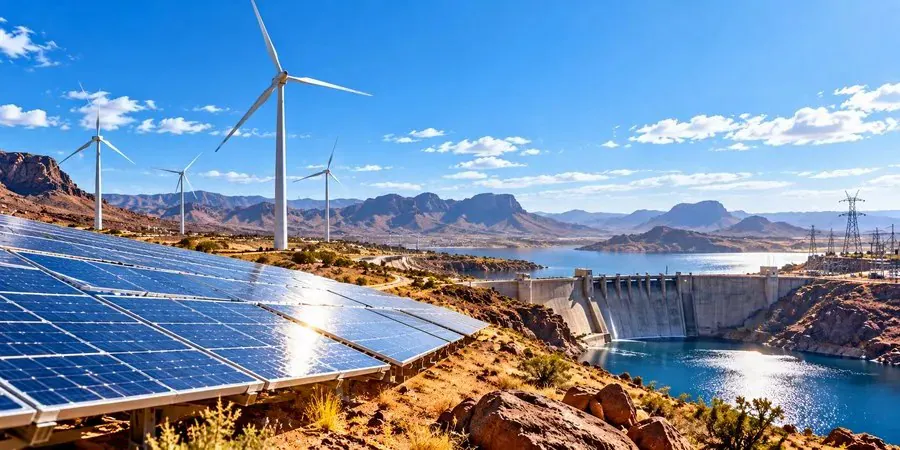
NamPower, the state utility of Namibia, has launched its 2026–2030 Integrated Strategic Business Plan, aiming to reshape the country's energy mix with a focus on renewable power. The plan targets 70% renewable generation capacity and 80% energy self-sufficiency by 2030. This strategic shift aims to reduce Namibia's dependence on imported electricity, a long-standing vulnerability that has impacted the country's industrial competitiveness.
The near-term pipeline for renewable energy projects is well-defined, with several key initiatives underway. The 100MW Sores |Gaib Solar PV Project, located outside Rosh Pinah, is scheduled for commissioning in the first quarter of 2027. Additionally, the 44MW Diaz Wind project is due for completion in the fourth quarter of 2026. These projects represent immediate opportunities for investors interested in Namibia's energy transition.
NamPower is also developing other significant projects, including the 20MW Khan Solar PV plant and the 80MW Omburu PV II project. Energy storage is a critical component of the plan, with the development of the 51MW Omburu Battery Energy Storage System and the 45MW Lithops Battery Energy Storage System. These storage systems will enable the shifting of solar and wind output into periods of peak demand, improving grid reliability as variable generation increases.
The longer-term pipeline for renewable energy projects in Namibia includes several large-scale initiatives. The 300MW Mega Wind project and the 440MW Baynes hydropower project, slated for completion by 2032–33, are expected to anchor firm generation in a system that is currently reliant on variable sources. The Baynes hydropower project, in particular, will provide the baseload anchor that underpins NamPower's reliability targets.
NamPower managing director Kahenge S. Haulofu has confirmed that the utility will continue to use regional electricity markets through power-purchase agreements during the build-out period. This approach will limit supply risk before additional domestic capacity comes online and preserve flexibility as the project pipeline matures. This strategy will enable a smoother transition to a more self-sufficient energy system.
The new strategic plan is expected to have a positive impact on Namibia's economy and investors. The breadth of the pipeline creates entry points across generation, storage, transmission, and project finance. Local suppliers in construction, operations, and maintenance are also likely to benefit from the plan. Deputy minister Gaudentia Kröhne noted that domestic generation should reduce the foreign exchange spent on imported power, strengthening the policy case for delivery.
The successful implementation of NamPower's strategic plan will depend on financing timelines, procurement awards, and grid-connection readiness. Investors and policymakers will be closely watching the financial close on Diaz Wind and Sores |Gaib, as well as procurement progress on Omburu PV II. The plan's success will also be crucial for Namibia's broader economic development, including its oil sector, which has already attracted over N$74bn in foreign direct investment.
Key points
- NamPower targets 70% renewable generation capacity by 2030.
- The 440MW Baynes hydropower project will provide a baseload anchor for the energy system.
- The plan includes several large-scale renewable energy projects, including the 300MW Mega Wind project.