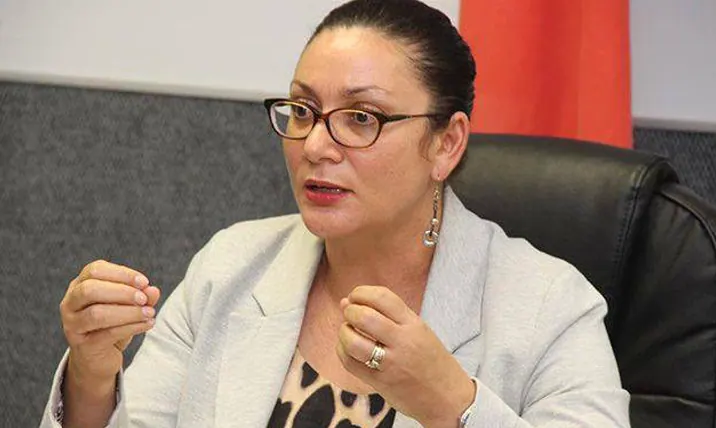
Education Minister Sanet Steenkamp has initiated a national conversation on the possibility of introducing compulsory national service for young Namibians. Speaking at a National Youth Service event, Steenkamp acknowledged the growing debate around mandatory national service, particularly for young people leaving school. This topic has been a recurring issue in Namibia, with former President Sam Nujoma previously championing the idea. Nujoma had envisioned the National Youth Service as an effective agency to assist in dealing with national emergencies.
Globally, mandatory national service involves a legal requirement for citizens, typically young adults, to serve in the military or participate in public civilian work. The concept has been implemented in various countries, with differing models. For instance, the United Kingdom's former Prime Minister Rishi Sunak proposed a mandatory national service program that would require 18-year-olds to spend a year in the military or volunteer one weekend a month in "civil resilience". This model aimed to provide young adults with the option to choose between military training and community service.
The debate around national service in Namibia comes amid high youth unemployment rates. Leaders are considering whether to introduce a compulsory system, potentially replacing the current voluntary approach. However, concerns have been raised about the potential militarization of such a program and its impact on civil liberties. Critics argue that any national service program should prioritize providing young Namibians with meaningful training and job opportunities, rather than imposing a mandatory military-style service.
Minister Steenkamp's comments have sparked a national conversation, with various stakeholders weighing in on the issue. The government and civil society are expected to engage in ongoing reforms to shape a modern national youth service. This could involve prioritizing emerging areas like artificial intelligence, which is transforming various aspects of life. The goal is to create a program that fosters productive citizens who can contribute to Namibia's economy and society.
Former President Nujoma had previously taken steps to implement a national youth service, transferring the NYS to his office. However, the program was later moved back to the youth ministry. The current debate around national service highlights the ongoing challenges in addressing youth unemployment and promoting civic engagement in Namibia. A well-designed national youth service program could provide young Namibians with valuable skills and experiences.
A key consideration in designing a national youth service program is ensuring that it does not impinge on people's civil liberties and free will. A program that offers young Namibians a path to contribute to society through meaningful training and jobs could be a more effective and sustainable solution. This approach would align with international trends, which emphasize the importance of providing young people with opportunities for personal and professional development.
As the Namibian government and civil society engage in discussions around national service, they will need to balance competing priorities and interests. The program's design will be crucial in determining its effectiveness and impact on young Namibians. By drawing on international examples and best practices, Namibia can create a national youth service program that promotes civic engagement, skills development, and economic growth.
Key points
- Education Minister Sanet Steenkamp has initiated a national conversation on compulsory national service for young Namibians.
- The proposed program aims to address youth unemployment and promote civic engagement in Namibia.
- A well-designed national youth service program could provide young Namibians with valuable skills and experiences.