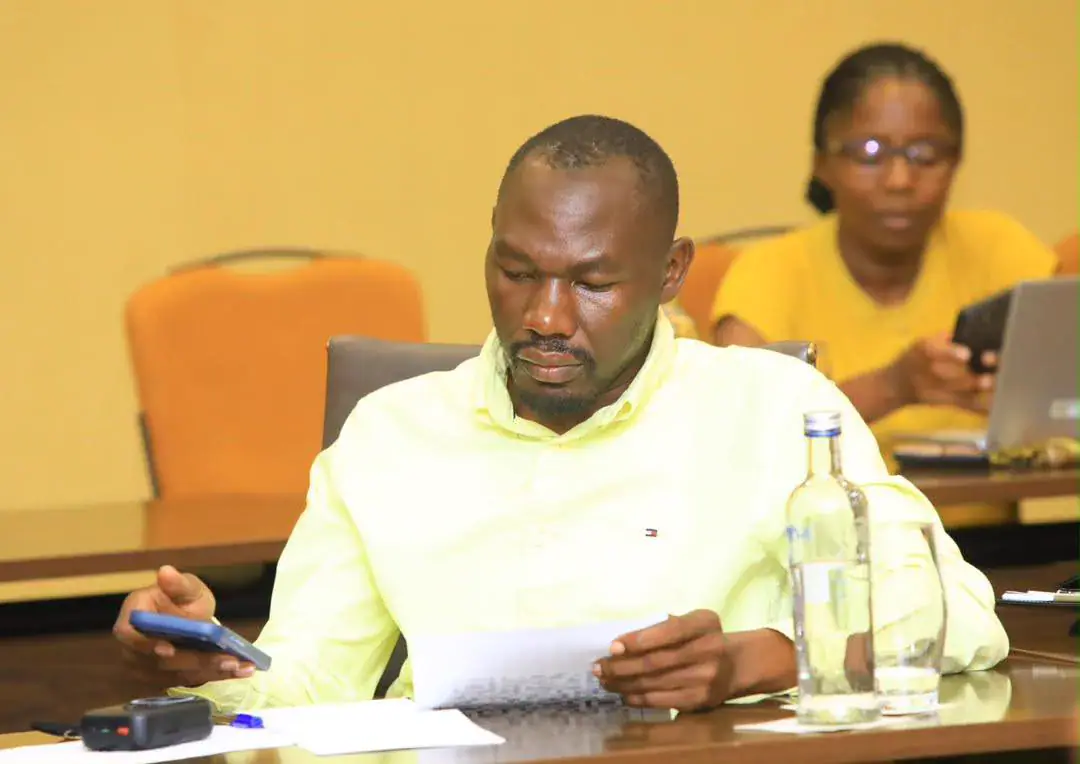
Member of Parliament for Tororo North, Nicholas Simon Owino, has raised concerns about the selection criteria and implementation of the Generating Growth Opportunities and Productivity for Women Enterprises (GROW) project. He questioned whether the initiative is reaching the vulnerable women it was designed to support. Owino made these remarks during a meeting with Parliament's Committee on Gender, Labour and Social Development.
The committee meeting involved officials from Enterprise Uganda, the National Agricultural Research Organisation (NARO), and CARE International, who were questioned about their roles in training and supporting beneficiaries under the project. Owino specifically highlighted disparities in the distribution of opportunities across different regions. He noted that the Bukedi and Karamoja sub-regions, among the poorest in the country, had only one beneficiary each.
Owino challenged the implementing agencies to explain how beneficiaries were identified and what measures were taken to ensure that women in the most disadvantaged communities were not left behind. He requested detailed accountability reports showing the names and distribution of beneficiaries, training activities conducted, and tangible results achieved through the programme.
The MP also indicated that legislators would undertake field visits to selected project areas to verify the information presented before Parliament. This move aims to establish whether the intended beneficiaries are actually receiving the promised support. Owino's concerns have brought renewed attention to the implementation and accountability of the GROW project.
The GROW project was designed to strengthen businesses and improve household incomes for women in vulnerable communities. However, Owino's concerns suggest that the programme may not be reaching its intended targets. The MP's call for accountability reports and field visits demonstrates the need for greater transparency and oversight in the project's implementation.
The concerns raised by Owino have significant implications for the project's success. If the programme is not reaching the most disadvantaged communities, it may fail to achieve its objectives. The field visits by legislators are expected to provide a clearer picture of the project's impact and identify areas for improvement.
Ultimately, the GROW project's success depends on its ability to reach and support the most vulnerable women. The concerns raised by MP Owino highlight the need for greater transparency, accountability, and inclusiveness in the project's implementation.
Key points
- MP Owino questions the fairness of beneficiary selection under the GROW project
- The project has been criticized for disparities in the distribution of opportunities across regions
- Legislators will undertake field visits to verify the information presented before Parliament