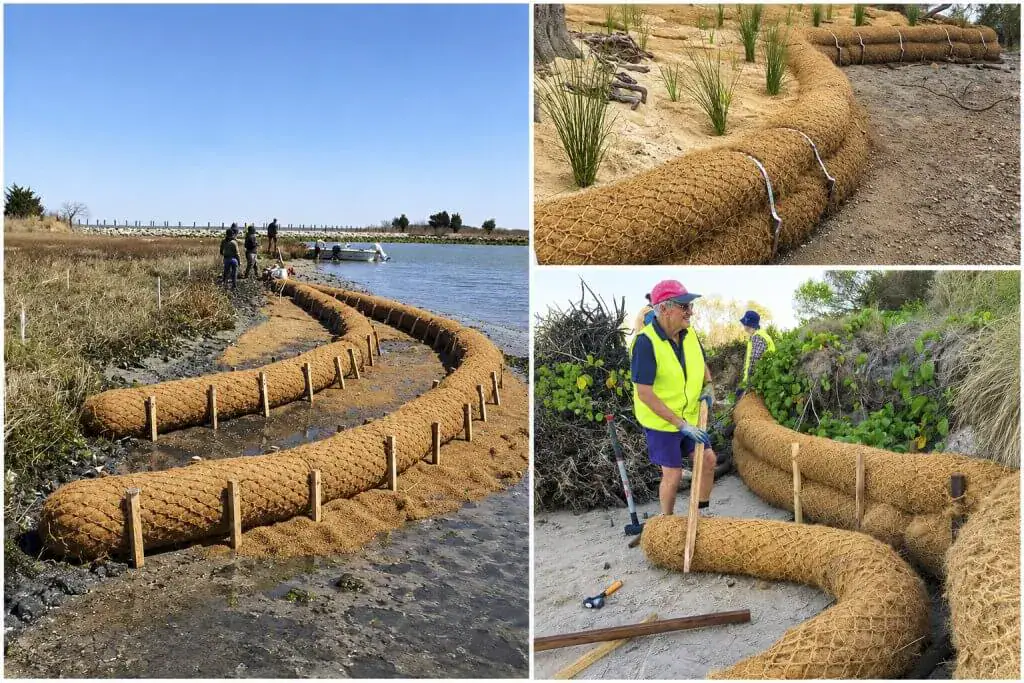
The island nation of Mauritius is seeking innovative solutions to protect its beaches from erosion. A recent initiative proposes using coconut fibers, known as "coconets," to stabilize the coastline. This eco-friendly approach has been successfully implemented in other countries, including the United States, Canada, and Indonesia. The use of coconets is seen as a more sustainable alternative to traditional methods, such as building concrete walls, which can harm the environment and displace local communities.
The idea of using coconets to protect beaches is not new to Mauritius. The Chagossian people, who were forcibly relocated from their islands in the 1970s, had a deep understanding of the versatility of coconut trees. They used every part of the tree, from the roots to the leaves, to create a sustainable way of life. The Chagossians extracted fibers from coconut husks to create ropes, nets, and mats that could withstand the harsh marine environment. This traditional knowledge is now being revisited as a potential solution to Mauritius' beach erosion problem.
The Mauritian government is exploring ways to implement the use of coconets on a larger scale. One proposal is to create coconut plantations on state-owned lands that are currently unused or degraded. This would not only provide a source of coconut fibers but also help to reforest the island and promote biodiversity. Additionally, the government is considering encouraging hotels and resorts to adopt the use of coconets as a sustainable alternative to traditional beach protection methods.
Hotels and resorts in Mauritius are major stakeholders in the beach protection issue, as they rely heavily on the island's natural beauty to attract tourists. Many hotels have been accused of removing sand from other areas to replenish their own beaches, which can harm the environment and displace local communities. The government is urging hotels to take a more sustainable approach by testing the use of coconets on their own beaches and investing in coconut plantations.
The use of coconets is seen as a cost-effective and environmentally friendly solution to beach erosion. Unlike concrete walls, which can harm the environment and displace local communities, coconets are biodegradable and can be easily removed when they are no longer needed. Additionally, coconut plantations can help to promote biodiversity and support local economies. The Mauritian government is hoping that the use of coconets will become a model for other islands and coastal communities facing similar challenges.
Rodrigues, a smaller island in the Mauritius archipelago, is also exploring the use of coconets to protect its beaches. The island has limited resources and infrastructure, but it has a strong tradition of sustainable livelihoods and community-based initiatives. Local communities in Rodrigues are working together to create coconets and implement them on their beaches. This grassroots approach is seen as a key factor in the success of the coconet initiative.
The Mauritian government is planning to take a phased approach to implementing the use of coconets. The first step will be to conduct further research and testing to determine the most effective methods for using coconets to protect beaches. The government will also work with local communities, hotels, and resorts to promote the use of coconets and provide training and support for those involved in the initiative. KEY_POINT: The use of coconets is a sustainable and eco-friendly solution to beach erosion that has been successfully implemented in other countries. KEY_POINT: The Mauritian government is exploring ways to promote the use of coconets, including creating coconut plantations on state-owned lands and encouraging hotels to adopt sustainable beach protection methods. KEY_POINT: Local communities in Mauritius and Rodrigues are working together to implement the use of coconets and promote sustainable livelihoods.