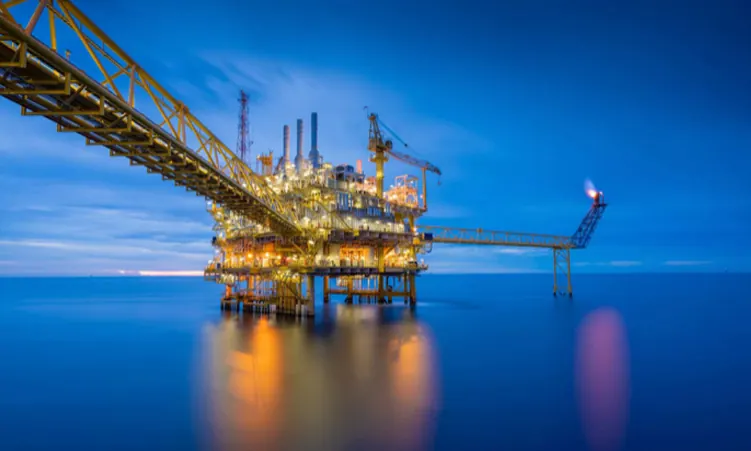
Namibia's growing oil and gas exploration industry is creating a new economic challenge, with billions of dollars flowing out of the country to pay for foreign technical, consulting, and other specialised services. According to the Bank of Namibia, the country recorded a N$4.8 billion net outflow on services in the second quarter of 2026. This represents a 51.1% increase from the same period last year.
The increase in services payments was driven partly by spending associated with the country's ongoing offshore oil and gas exploration and appraisal drilling. The Bank of Namibia attributes the rise to foreign expertise being used in the mining and oil and gas sectors. The bank notes that the increase was largely driven by higher outflows under other private business services, particularly managerial and consulting services by entities in the mining sector.
The services bill forms part of a wider external deficit that reached N$12.1 billion during the second quarter. The bank reports that the current account deficit widened by N$6.8 billion compared with the same quarter last year, mainly due to increased imports of goods and services from abroad. The services outflow alone increased by 30% compared with the first quarter, reaching N$4.8 billion.
Oil and gas exploration is particularly important because offshore drilling requires highly specialised equipment, technology, engineering expertise, consultancy, and other services that may not yet be widely available locally. As a result, a portion of the money invested in Namibia's oil exploration does not circulate in the domestic economy. This raises concerns about the potential impact on local businesses.
The figures come as Namibia positions itself as a future oil and gas producer following major offshore discoveries. The challenge now is to ensure that the development of the industry does not simply create an export sector while leaving local companies on the sidelines. The latest balance-of-payments figures suggest that foreign companies are playing a significant role in providing the specialised services required during exploration.
Despite the growing outflows, Namibia's foreign reserves remain relatively strong. The country's reserves increased by 9% to N$56.4 billion at the end of June, providing about 3.5 months of import cover. By the end of August, reserves had increased further to N$58.5 billion, equivalent to about 3.6 months of import cover. This provides a cushion against the growing external deficit.
To maximise the benefits of the oil and gas industry, Namibia needs to build local capacity before large-scale production begins. If Namibian companies can eventually provide more of the specialised services required, a greater share of the billions expected to flow through the industry could remain in the domestic economy. This would help to mitigate the impact of the services outflow and ensure that the industry contributes to the country's economic growth.
Key points
- Namibia's oil and gas exploration industry is driving a significant outflow of funds, with N$4.8 billion spent on foreign services in Q2 2026.
- The country's foreign reserves remain relatively strong, with a 9% increase to N$56.4 billion at the end of June.
- Building local capacity is crucial to ensure that Namibian companies can provide specialised services and retain a greater share of the industry's revenue.