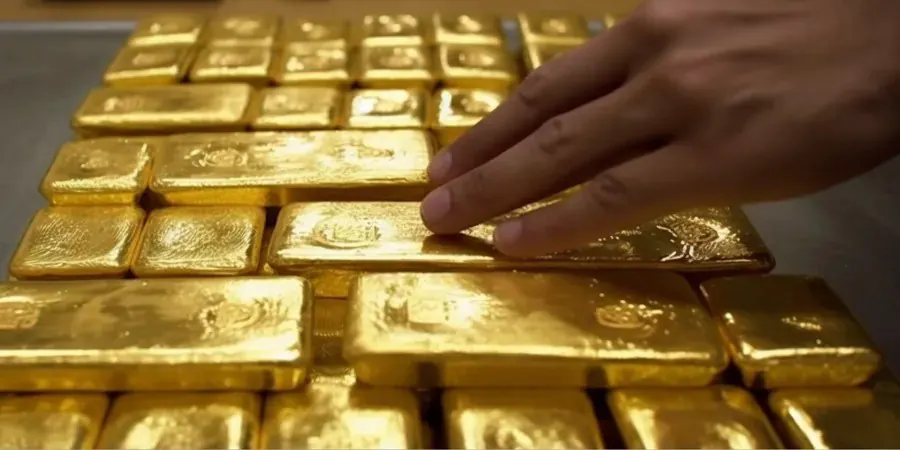
The Bank of Namibia has successfully converted domestic mine output into a formal reserve asset, marking a significant shift in the country's gold management strategy. On 24 March 2026, the central bank signed a gold purchase agreement with QKR Namibia Navachab, enabling phased purchases of domestically produced gold. This arrangement has led to Navachab delivering more than 300 kilograms of gold to the central bank.
The gold purchase agreement with Navachab is a crucial step towards achieving the Bank of Namibia's goal of diversifying its reserve assets. The deal links mine output directly to official reserve management, signifying a structural change in Namibia's approach to gold production. By retaining part of its mineral production as a sovereign financial asset, Namibia is no longer simply exporting gold.
The Bank of Namibia's gold reserve target for phase one is approximately 25,721 fine troy ounces, roughly 0.8 tonnes, which represents about 3% of Namibia's international reserves. The central bank aims to reach this target by the end of March 2027. As of the end of July 2026, the Bank of Namibia's gold holdings stood at 8,574 fine troy ounces, approximately 267 kilograms, valued at N$573.4 million.
The steady accumulation of gold by the Bank of Namibia reflects a broader trend of central banks globally increasing their focus on reserve diversification. Gold provides an asset outside direct foreign-currency exposure, making it an attractive option for reserve management. The programme has produced a measurable reserve asset, demonstrating the effectiveness of the central bank's policy objective.
The gold programme's success has implications for investors, signalling institutional execution and a commitment to converting mineral production into a formal reserve-management channel. This aligns with a continental trend of linking mineral output directly to domestic value creation. Future phases will depend on the development of infrastructure needed for larger purchases, including refining arrangements and market conditions.
The commercial spillovers from the gold programme could be substantial, creating demand for secure transport, specialist logistics, insurance, and settlement services. As the programme scales, these effects will build gradually. Investors should track the progress toward the 3% target, new producer agreements, and the shape of future refining capacity over the next 12 months.
The Bank of Namibia's gold reserve accumulation has reached a significant milestone, surpassing 300 kilograms. The central bank's strategy of converting domestic mine output into a formal reserve asset has demonstrated progress, with a clear target in sight. The programme's success will depend on its ability to sustain this momentum and address future challenges in reserve management.
Key points
- The Bank of Namibia aims to accumulate approximately 25,721 fine troy ounces of gold, representing about 3% of Namibia's international reserves, by the end of March 2027.
- The gold programme has created demand for secure transport, specialist logistics, insurance, and settlement services, with commercial spillovers expected to build gradually as the programme scales.
- The Bank of Namibia's gold holdings stood at 8,574 fine troy ounces, approximately 267 kilograms, valued at N$573.4 million, as of the end of July 2026.