Namibia is advancing its offshore oil development and preparing to launch new petroleum infrastructure at Walvis Bay. President Netumbo Nandi-Ndaitwah is set to launch the Dangote Namibia Tank Farm and Regional Pipeline Project, adding to the country's emerging petroleum economy. This project is expected to boost the country's energy sector and create new opportunities for economic growth. The launch of this project marks a significant milestone in Namibia's energy development.
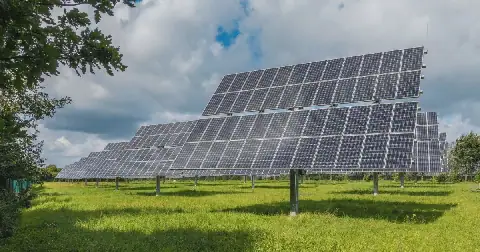
President Nandi-Ndaitwah has committed to pursuing both hydrocarbons and green hydrogen, rejecting the idea that the country must choose between the two energy pathways. Her position reflects Namibia's development priorities, particularly its mineral-based economy and the wider energy deficit across Southern Africa. The government aims to balance the development of oil resources with green industrialization ambitions. This approach is expected to support industrialization and reduce emissions.
The late President Hage Geingob's administration elevated green hydrogen into a national industrialization priority through the Harambee Prosperity Plan II and the Southern Corridor Development Initiative. The flagship Hyphen project, planned for the Tsau //Khaeb National Park near Lüderitz, represents an estimated $10 billion investment. At full scale, it targets annual production of two million tonnes of green ammonia. However, the project's commercialization has taken longer than initially anticipated.
The Hyphen project is targeting a final investment decision on its first phase by the end of 2027, with financing, infrastructure, and long-term offtake agreements remaining critical. The African Development Bank selected Hyphen for prospective $5.93 million development funding to advance the project towards its investment decision. This funding is intended to improve project readiness, not finance construction. The distinction highlights the substantial capital still required to move Namibia's hydrogen ambitions from development into production.
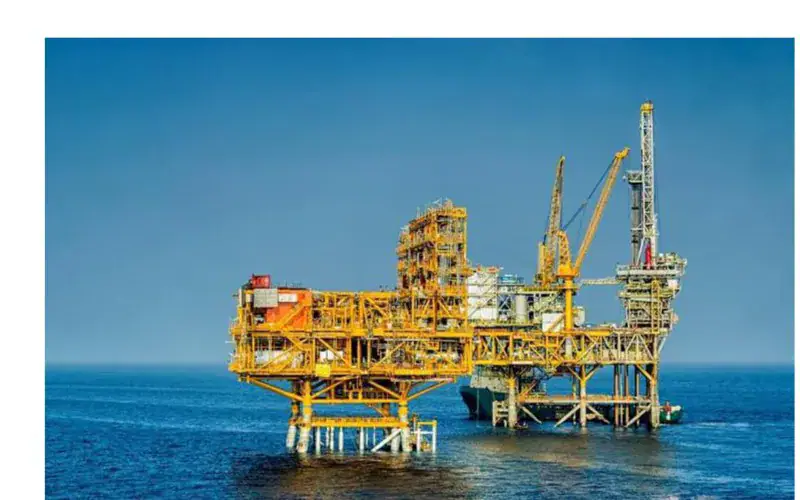
Meanwhile, discoveries in the Orange Basin have brought major international energy companies into Namibia's offshore petroleum industry. TotalEnergies, Shell, Galp Energia, QatarEnergy, and Rhino Resources are among the companies involved in exploration and appraisal activities alongside state-owned National Petroleum Corporation of Namibia (NAMCOR). A significant development came in September 2026 when TotalEnergies completed its acquisition of a 40% operated interest in Petroleum Exploration Licence 83, containing the Mopane discovery.
The petroleum sector could generate export earnings, royalties, taxes, and business opportunities. It could also create demand for engineering, logistics, construction, and specialized services. However, the challenge will be ensuring that the industry develops meaningful local supply chains rather than operating as an offshore enclave with limited domestic economic linkages. The government must balance the growth of the petroleum sector with the development of green hydrogen and other renewable energy sources.
Ultimately, Namibia's energy ambitions must be judged by more than discoveries, investment announcements, or production targets. The real measure will be whether these resources create jobs, develop local skills, support manufacturing, expand exports, and improve national prosperity. The oil boom and green hydrogen vision need not be competing legacies. Their economic value will depend on whether Namibia can manage both as part of a coherent industrialization strategy.
Key points
- President Nandi-Ndaitwah is committed to pursuing both hydrocarbons and green hydrogen.
- The Hyphen project's commercialization has taken longer than initially anticipated.
- The petroleum sector could generate significant economic benefits for Namibia.