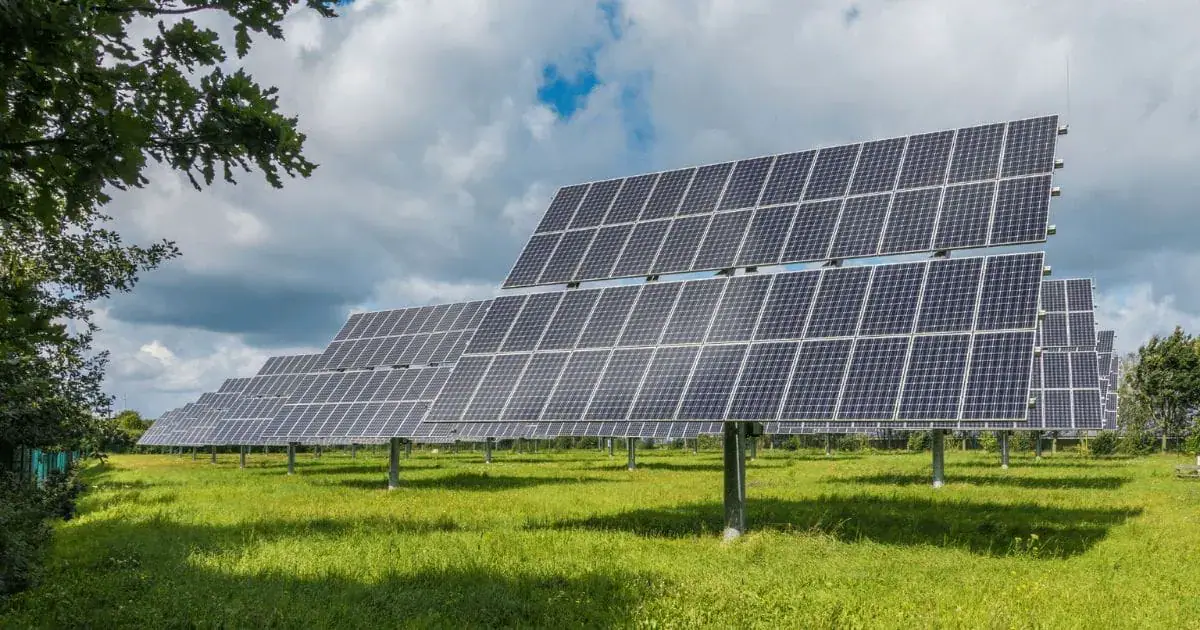
Algeria has made a significant stride in its renewable energy ambitions with the launch of three new solar power plants in 2026, adding 700 MW to the national grid. The plants, located in the wilayas of El M'Ghair, Biskra, and El Oued, are part of the country's National Renewable Energy Program, which aims to achieve a 15,000 MW installed capacity by 2035. The program is crucial for reducing Algeria's dependence on natural gas and promoting sustainable energy sources.
The three solar power plants were launched in two phases. The first phase, in May 2026, saw the inauguration of two plants with capacities of 200 MW each, located in Tendla (El M'Ghair) and El Ghrous (Biskra). The second phase, in October 2026, introduced a larger plant with a capacity of 300 MW in El Foulia (El Oued). These plants are expected to enhance the country's energy security and support the growth of various sectors, including agriculture, industry, and urban areas.
The Tendla solar power plant, launched on May 18, 2026, spans nearly 400 hectares and has a capacity of 200 MW. The plant was among the first large-scale projects to be completed, with construction beginning on March 25, 2024. Its integration into the national grid will improve electricity supply in the region. The plant's development is a significant milestone in Algeria's efforts to increase its renewable energy capacity.
The El Ghrous solar power plant, also launched on May 18, 2026, has a capacity of 200 MW and covers an area of approximately 400 hectares. The plant features over 379,000 photovoltaic panels and 23 sub-fields for electricity generation. Its launch addresses the increasing demand for electricity in Biskra, driven by growth in the agricultural, industrial, and urban sectors. The plant's technical specifications demonstrate Algeria's commitment to adopting advanced renewable energy technologies.
The El Foulia solar power plant, commissioned on October 26, 2026, is the largest of the three, with a capacity of 300 MW. Located in the commune of Guemar, El Oued, it surpasses the other two plants by 100 MW. The plant's launch marks the completion of the second phase of Algeria's renewable energy projects for 2026. With these additions, Algeria has made significant progress toward its renewable energy targets.
The 700 MW added in 2026 represent 21.9% of the first phase of the National Renewable Energy Program, which aims for 3,200 MW, and 4.7% of the overall target of 15,000 MW by 2035. While these achievements demonstrate progress, sustaining the momentum will be crucial for meeting long-term commitments. Algeria must maintain the pace of construction, connection, and operation of other ongoing projects across the country to achieve its renewable energy goals.
According to data from Attaqa, a specialized platform based in Washington, the launch of these solar power plants aligns with Algeria's strategy to boost its renewable energy sector. The country's efforts to diversify its energy mix and reduce dependence on natural gas are critical for its sustainable development. The successful implementation of these projects will contribute to Algeria's goal of becoming a leader in renewable energy in the region.
Key points
- Algeria has launched three new solar power plants with a combined capacity of 700 MW in 2026.
- The plants are part of the country's National Renewable Energy Program, aiming for 15,000 MW by 2035.
- The launch of these plants marks a significant step toward reducing Algeria's dependence on natural gas and promoting sustainable energy sources.