Namibia's economy recorded a significant growth of 4.8% year-on-year in the second quarter of 2026, according to the Bank of Namibia. This growth rate is higher than the 3.1% recorded in the first quarter of 2026 and 1.7% in the same quarter of 2025. The country's economic expansion was mainly driven by the tertiary industry, which includes sectors such as health, wholesale and retail trade, information and communication, and financial services.
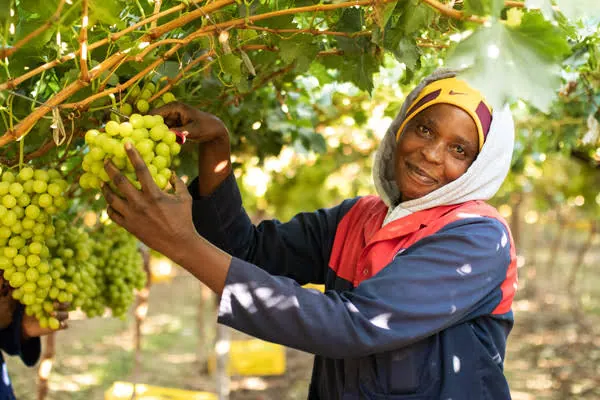
The agricultural sector also recorded strong growth during the quarter, supported by favourable rainfall and a recovery in the national herd. Additionally, fishing activity expanded, while mining output remained in negative territory. The secondary industry, however, slowed during the period, mainly due to a decline in construction, which offset moderate growth in manufacturing. Diamond cutting and polishing activity recovered during the quarter.
On the expenditure side, real fixed capital formation grew at a double-digit pace, while government and household consumption expenditure also recorded firm growth. This indicates a positive trend in investment and consumption in the country. However, inflation increased during the quarter, with headline inflation averaging 3.9%, compared with 2.5% in the preceding quarter. The increase was mainly driven by transport inflation following higher oil prices.
Commercial banks recorded higher cash holdings during the quarter, driven by diamond sale proceeds, government expenditure, and investment flows. Meanwhile, government debt continued to rise, with total central government debt reaching N$181.9 billion at the end of June 2026. This represents an annual growth of 6.1%, mainly driven by higher issuance of Treasury Bills and Internal Registered Stock.
The government's debt-to-GDP ratio stood at 65.1% at the end of June, up from 63.9% during the corresponding period of the previous fiscal year. Total government debt is projected to average about 67% of GDP over the Medium-Term Expenditure Framework period. However, government loan guarantees declined to 2.5% of GDP, down 0.6 percentage points year-on-year and well below the government ceiling of 10% of GDP.
Namibia's current account deficit widened during the second quarter to N$12.1 billion, compared with N$10.7 billion in the preceding quarter and N$5.3 billion in the corresponding quarter of 2025. The deterioration was mainly attributed to a wider merchandise trade deficit and higher services payments. Foreign reserves, however, increased by 9% during the quarter to N$56.4 billion at the end of June.
The increase in foreign reserves represents an estimated import cover of 3.5 months, up from 3.2 months in March. Excluding imports related to oil exploration and appraisal activities, the import cover was estimated at 3.9 months, remaining above the international benchmark of three months. The Real Effective Exchange Rate appreciated by 4.1% year-on-year, reflecting higher domestic inflation relative to Namibia's trading partners.
Key points
- Namibia's economy grew 4.8% year-on-year in the second quarter of 2026.
- The country's economic expansion was mainly driven by the tertiary industry.
- Government debt continued to rise, with total central government debt reaching N$181.9 billion at the end of June 2026.